
Quick answer: movable partition wall
Review focus: movable partition wall.
A movable partition wall revision control transmittal log is the record that tells an overseas project team which document version was issued, to whom, and when. It matters because movable partitions are top-hung, individually movable panels that cross an opening without a floor track and park at a planned stacking position. Every drawing, finish schedule and route review can change during coordination, so handover documentation must show the current approved version rather than an earlier assumption.
This framework is for contractors, architects, interior designers, owners, renovation companies, distributors and construction teams. It does not replace project-specific support, acoustic or dimensional confirmation. It simply gives each document a traceable identity so decisions can be checked against the correct revision.
Why Revision Control Belongs in Movable Partition Handover
Project review term: movable partition wall.
Movable partition projects combine architectural intent with operational movement. Straight, turning and stacking routes are reviewed from the layout, and a proposed route needs a continuous connected overhead route with project-specific support review. If a layout changes after a finish schedule is issued, the transmittal log should show which recipients received the updated drawing and which did not.
Revision control is not administrative decoration. It prevents a supplier, installer or site team from working to a superseded document. It also gives the owner a clear handover trail showing the basis of the installed configuration.
What the log should identify
Each entry should identify the document title, revision code, issue date, issuer, recipient, distribution method and purpose of issue. Purpose matters: a drawing issued for coordination is not the same as a drawing issued for construction or handover. The log should also note whether a response or acknowledgement is required.
A Numbered Process for Building the Transmittal Log
Coordination scope: movable partition wall.
- Define document families. Separate layout drawings, finish schedules, route and stacking reviews, pass-door requirements and handover records into clear families.
- Assign revision codes. Use a consistent code that shows the project, document family and revision sequence without relying on dates alone.
- Record the issue event. Capture who issued the document, the date, the recipient list and the transmission method.
- Link revisions. Note which earlier revision each new issue supersedes, so readers can follow the chain.
- Track acknowledgements. Record whether the recipient confirmed receipt or returned comments.
- Close the handover set. At completion, mark the final issued revision for each document family and archive the transmittal history.
Document Types to Include in a Movable Partition Handover Set
Checklist focus: movable partition wall.
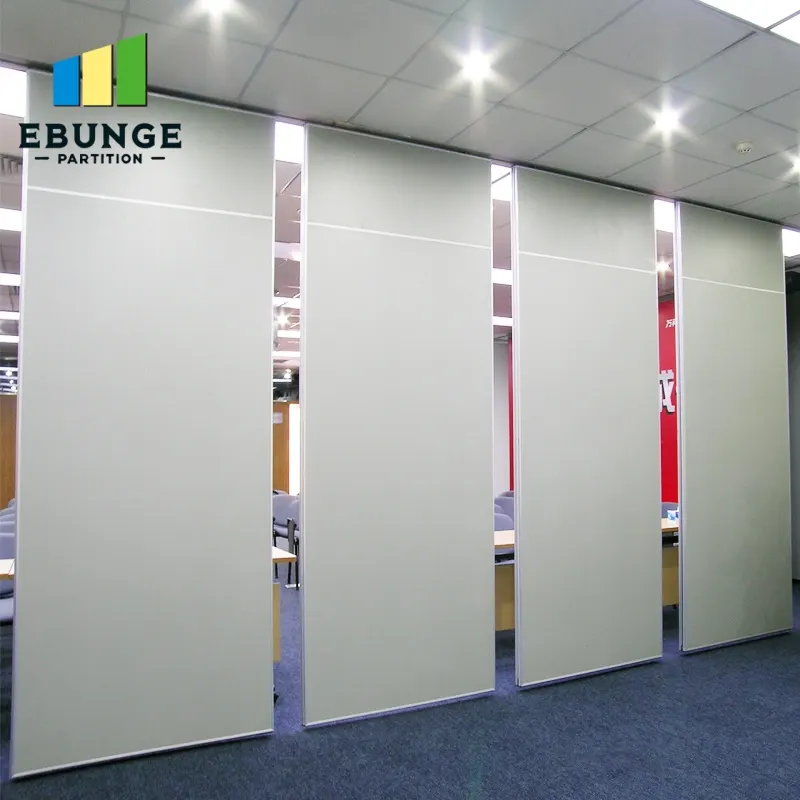
The exact set depends on the project, but most coordination packages include layout drawings, elevation or section references, finish schedules, route and stacking reviews, and pass-door requirement notes. Finish options may include laminate, melamine, fabric, leather, glass and other approved surfaces. The suitability of each route and parking arrangement depends on the approved layout, circulation, ceiling interfaces and operating sequence.
Evidence note
Do not infer acoustic, fire, durability, load or commercial performance from a drawing, finish sample or photograph. Confirm project-specific support, acoustic and dimensional requirements with the responsible technical team before relying on any document.
Transmittal Log Fields That Keep Overseas Teams Aligned
Review focus: movable partition wall.
Overseas coordination often spans time zones and multiple organisations. A transmittal log should be readable without a meeting. Use plain field names and avoid abbreviations that only one office understands.
| Field | Purpose | Example entry style |
|---|---|---|
| Document ID | Unique reference for the file | Project-family-sequence |
| Revision | Shows version order | Revision code |
| Issue date | Records when it was sent | Calendar date |
| Issuer | Names the sending party | Organisation and role |
| Recipient | Names the receiving party | Organisation and role |
| Purpose | States why it was issued | Coordination, review or handover |
| Status | Shows whether action is open | Issued, commented or closed |

Keep the table structure stable across the project. If a new field is needed, add it deliberately and note the change in the log itself.
Revision Control Rules for Layout and Route Changes
Route changes deserve special attention. Panels are suspended from a top track and park at a planned stacking position. A revised layout may alter the straight, turning or stacking route, so the transmittal log should link the revised drawing to the earlier route review it replaces.
The exact route, junction arrangement, continuous overhead path and parking position must be confirmed from the coordinated project drawings. Every proposed movement path requires a continuous connected overhead route and project-specific support review. The log should record that this review was requested and which revision responded to it.
Checklist for a route revision
- Confirm the revised drawing has a new revision code.
- Record the earlier route review it supersedes.
- Send the revision to all parties who received the earlier version.
- Note any open question about support or dimensional coordination.
- Close the entry only when the responsible party confirms the current revision.
Handover Documentation Coordination Across Parties
The owner or main contractor may hold the master log, while the partition supplier, architect and site team contribute their own issue records.
Agree at the start on revision code format, issue frequency, acknowledgement expectations and the archive location. This reduces the risk that two offices believe they are working from the same revision when they are not.
Common Gaps in Movable Partition Transmittal Logs
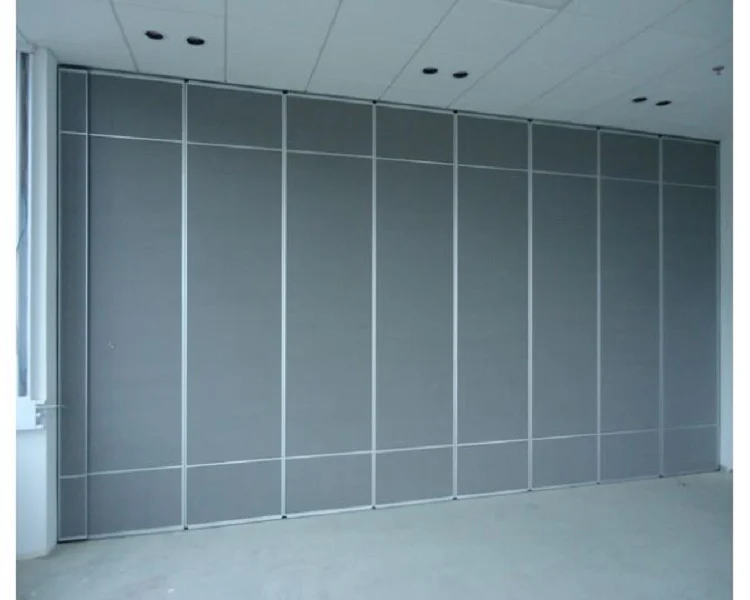
Three gaps appear repeatedly. First, a document is issued without a revision code, so it cannot be distinguished from an earlier file. Second, a recipient is omitted from a later transmittal, leaving them with a superseded drawing. Third, the log records issue but not acknowledgement, so no one knows whether the recipient reviewed the current version.
A fourth gap is mixing finish approvals with technical reviews.
Frequently Asked Questions
What is a movable partition wall revision control transmittal log?
It is a structured record of document issues for a movable partition project. It shows the document version, the date it was sent, who sent it, who received it and why it was issued.
Who should maintain the master transmittal log?
One party should own the master log, often the main contractor, owner representative or project coordinator. Other parties submit their issue records to that owner so the project has a single traceable history.
How should route changes be recorded?
Each route change should receive a new revision code and be linked to the earlier route review it supersedes. The log should note that a continuous connected overhead route and project-specific support review are required.
Do finish approvals belong in the same log?
They can be recorded in the same log as a separate document family.
What should be confirmed before handover?
Confirm project-specific support, acoustic and dimensional requirements, the final issued revision for each document family, and that all recipients have acknowledged the current version.
Can the log replace project-specific technical review?
No. The log records document movement and revision status. It does not replace drawing review, support confirmation or acoustic and dimensional coordination for the application reference.
Conclusion and Next Step
A disciplined movable partition wall revision control transmittal log gives overseas teams a simple answer to a difficult question: which document version was issued, to whom, and when. Build the log around stable document families, consistent revision codes and clear acknowledgement records. Keep route reviews, finish approvals and handover records distinct, and confirm project-specific support, acoustic and dimensional requirements before relying on any revision.
To discuss pass-door requirements, project documentation or movable partition configuration for your layout, contact EBUNGE. You can also review the movable wall product range and browse further project planning resources before your next coordination meeting.