
Quick project answer
Review focus: movable partition wall.
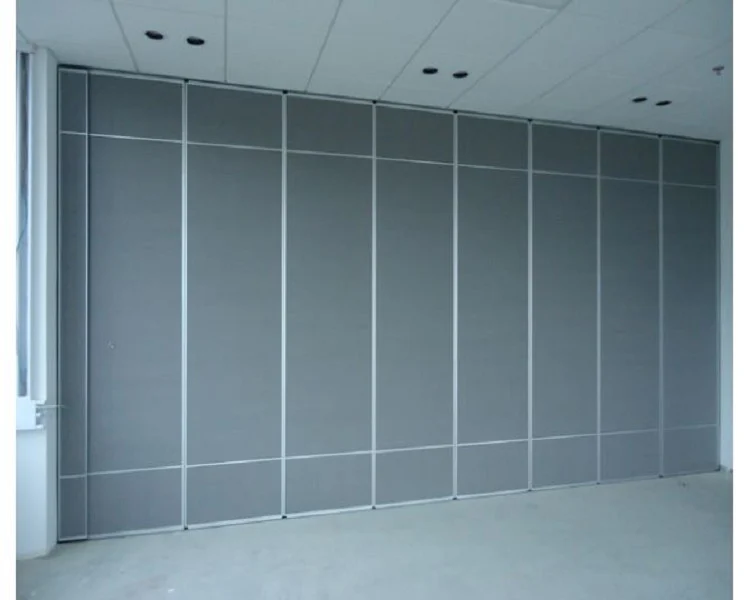
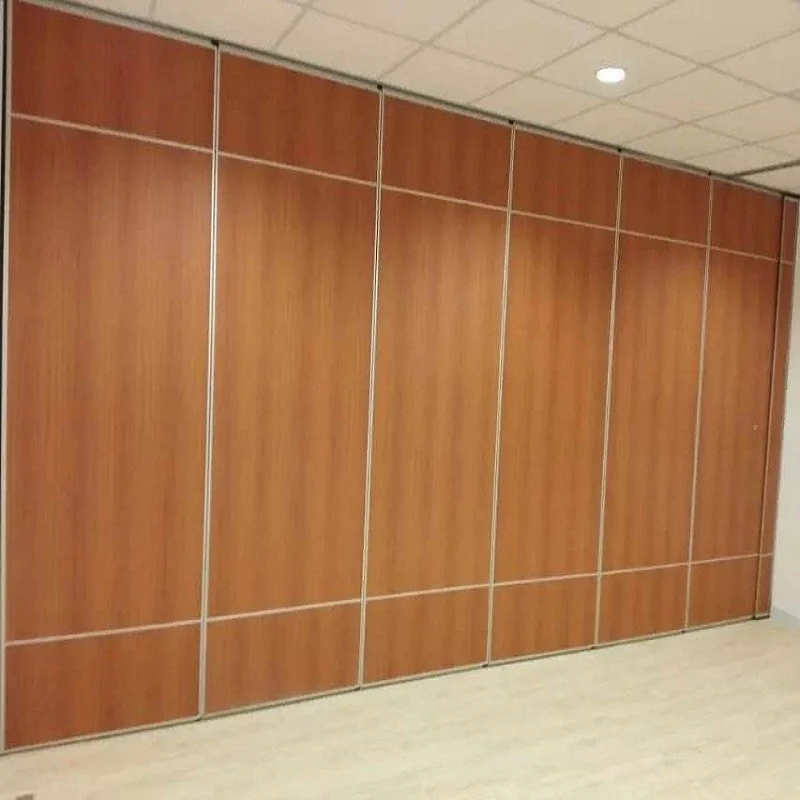
Movable partition wall record retention retrieval is a planning discipline, not a filing chore. When a project closes, the operator inherits drawings, schedules, finish approvals and correspondence that describe how the top-hung panels travel, where they park and how the opening is configured. Because EBUNGE panels are individually movable, suspended from a top track and cross the opening without a floor track, the records that matter most are those that let a future maintenance or renovation team reconstruct the intended layout without guessing. This framework helps overseas contractors, architects, interior designers, owners and facility teams decide what to keep, for how long, and how to find it again.
Why Handover Records Matter for Movable Partition Walls
Project review term: movable partition wall.
A movable partition is a system, not a single product. The panels, the overhead route, the parking position and the finish selection all interact. If the operator cannot retrieve the approved layout, later changes may be proposed against an assumed configuration rather than the coordinated one.
Records also protect the project team. The exact route, junction arrangement, continuous overhead path and parking position must be confirmed from the coordinated project drawings. Without it, each party may rely on memory or a superseded drawing.
What Counts as a Handover Record
Coordination scope: movable partition wall.
Handover documentation is broader than a single as-built drawing. It includes the documents that describe the agreed scope, the coordinated layout and the finish approvals. The list below is a planning prompt, not a mandatory schedule; project-specific requirements should be confirmed with the relevant parties.
- Coordinated layout drawings showing straight, turning and stacking routes.
- Parking position and stacking arrangement agreed for the project.
- Finish schedule covering laminate, melamine, fabric, leather, glass and other approved surfaces.
- Pass-door requirements and any related coordination notes.
- Correspondence that records agreed changes or clarifications.
- Inspection and completion records issued for the project.
A Retention and Retrieval Planning Framework
Checklist focus: movable partition wall.
Retention periods are a project and jurisdiction decision. The framework below helps teams assign an owner, a storage location and a review trigger to each record class rather than defaulting to indefinite storage.
- Classify. Group records by function: layout, finish, coordination, completion.
- Assign an owner. Name the role responsible for each class, not just the department.
- Set a retention trigger. Decide whether the clock starts at handover, at first occupancy or at a lease event.
- Choose a retrieval path. Define how a technician or designer finds the record during operations.
- Schedule a review. Revisit the index when the space is reconfigured or the responsible role changes.
Retention Periods: A Decision Checklist
Review focus: movable partition wall.
There is no universal retention period for movable partition documentation. The checklist below helps a facility team reach a defensible position with its legal, insurance and operational advisers.
- Does local regulation or the lease require a minimum retention period?
- Will the space be reconfigured within the foreseeable planning horizon?
- Is the finish schedule needed for future matching or replacement coordination?
- Are pass-door and layout records needed for accessibility or egress reviews?
- Who needs read access, and who needs edit access?
- What happens to the records when the responsible role changes?
Evidence note: retention periods, storage formats and access rules are project-specific. Confirm them with the owner, legal adviser and facility team before publishing an internal retention schedule.
Retrieval During Operations
Project review term: movable partition wall.
Index by space, not by folder
Operators usually search by room name or floor, not by document type. An index that maps each space to its layout, finish and coordination records shortens retrieval time during a live event or maintenance window.
Keep the current version unambiguous
Superseded drawings should be marked clearly.
Plan for role changes
Retention fails when knowledge leaves with a person. A short handover note describing where records live and who owns each class keeps retrieval working after staff turnover.
Evidence Boundaries and Project-Specific Confirmation
Handover records describe the coordinated project, not a universal performance guarantee. Visible references can support layout discussion but do not verify hidden construction or performance. Those questions require project-specific confirmation.
The suitability of each route and parking arrangement depends on the approved layout, circulation, ceiling interfaces and operating sequence. Where acoustic requirements matter, confirm them against the project documentation and the relevant test evidence.
Similarly, a finish shown in a sample does not confirm suitability for a particular cleaning regime or environment. Confirm finish, support and dimensional requirements for the specific project before relying on a record.

Coordinating Documentation Across Project Parties
Contractors, architects, designers and owners each hold part of the record set. A simple responsibility matrix prevents gaps.
| Record class | Typical holder | Operator need |
|---|---|---|
| Layout and routes | Design and installation team | Reconfiguration planning |
| Finish schedule | Design and procurement | Future matching |
| Pass-door notes | Design and contractor | Access coordination |
| Completion records | Contractor and owner | Reference and review |
For broader planning context, see the movable wall systems overview and the project resources library. When a specific retention or retrieval question arises, contact the EBUNGE team to discuss project documentation requirements.
FAQ: Record Retention and Retrieval
How long should movable partition handover records be kept?
There is no single answer. Retention depends on local regulation, lease terms, the owner’s policy and the likelihood of future reconfiguration. Confirm the period with the relevant advisers and record the decision in the retention schedule.
Which drawing should be treated as the master layout?
The version agreed at coordination and confirmed at handover should be treated as the master. Superseded versions should be marked so the operator does not plan against an outdated route or parking position.
Do finish records need to be retained with the layout?
Keeping them together helps future matching. Finish options include laminate, melamine, fabric, leather, glass and other approved surfaces, and the approved selection should be traceable to the space it applies to.
Can a drawing confirm acoustic performance?
No. A layout drawing shows geometry and routes.
How should records be retrieved during an emergency?
Index records by space and keep the current version clearly identified. A short ownership note helps a technician or duty manager locate the relevant layout without searching multiple folders.
What should be confirmed before finalising a retention plan?
Confirm project-specific support, acoustic and dimensional requirements, plus any legal or lease obligations. The retention plan should reflect the application reference, not a generic template.
Conclusion and Next Step
A workable movable partition wall record retention retrieval plan classifies records, assigns owners, sets review triggers and keeps retrieval simple. It does not promise performance or replace project-specific confirmation. Start by listing the records your team already holds, then agree who owns each class and how it will be found again.
To discuss documentation, layout review or project-specific requirements, contact EBUNGE and share your project context.