
When a renovation company plans to divide a large gymnasium into smaller training zones, classrooms, or event spaces, the school partition wall is often the most practical solution. Unlike permanent construction, a movable partition system allows you to reconfigure the space quickly, without disrupting the existing structure. However, the cost of such a system can vary significantly based on several factors, and making the wrong choice can lead to budget overruns or performance shortfalls. This cost guide focuses on what affects the movable partition wall price for gymnasium projects, helping you prepare accurate quotations and reduce decision risk. By understanding the key cost drivers and asking the right questions, you can ensure that your project stays on track and delivers the acoustic and functional performance your client expects.
For a typical gymnasium project, the school partition wall price is influenced by the opening size, acoustic performance target, finish preferences, and the level of engineering support required. A standard movable partition wall system with basic acoustic insulation and a painted finish may cost less, but a high-performance acoustic partition with custom finishes and factory-direct coordination will increase the budget. To get an accurate quotation, you need to provide the exact opening dimensions, the desired Sound Transmission Class (STC) rating, the type of finish (e.g., vinyl, fabric, or wood veneer), and detailed drawings. Involving the manufacturer early, especially for factory-direct support, can help you optimize the design and avoid costly surprises during installation.
Understanding the Scope: Why Gymnasium Projects Differ
Gymnasiums are unique environments for movable partitions. They often feature high ceilings, large open spans, and heavy traffic. The partition must not only divide the space but also withstand impact, vibration, and frequent use. Unlike office or hotel applications, gymnasium partitions may need to be taller and wider, which directly impacts the movable partition wall price. Additionally, the existing structure must be assessed for its ability to support the top-hung track system. A thorough site survey and structural review are essential to avoid hidden costs later. When you request a quotation, be prepared to provide detailed information about the building’s construction, including ceiling height, wall materials, and any obstructions like ductwork or lighting fixtures.
Need help turning the school partition wall requirements into a practical project layout?
Key Cost Drivers for School Partition Walls
Several factors influence the final cost of a school partition wall in a gymnasium. Understanding these drivers will help you compare quotes and make informed decisions:
- Opening size and configuration: Larger openings require more panels, heavier tracks, and more complex engineering. The number of panels and the stacking space needed also affect cost.
- Acoustic performance: The desired Sound Transmission Class (STC) rating is a primary cost driver. Higher STC ratings require thicker panels, additional seals, and more robust construction.
- Finish and aesthetics: The choice of finish—whether it’s a durable vinyl, a fabric panel, or a wood veneer—impacts both cost and maintenance. Custom finishes or branding can add to the expense.
- Operational mechanism: Manual versus motorized operation. Motorized systems are more convenient but require electrical work and increase the initial investment.
- Installation complexity: If the existing structure requires reinforcement or if access is challenging, installation costs will rise. The need for specialized equipment or additional labor can also affect the total.
- Warranty and support: A comprehensive warranty and ongoing support from the manufacturer may cost more upfront but can save money in the long run.
Acoustic Performance: Balancing Cost and Needs
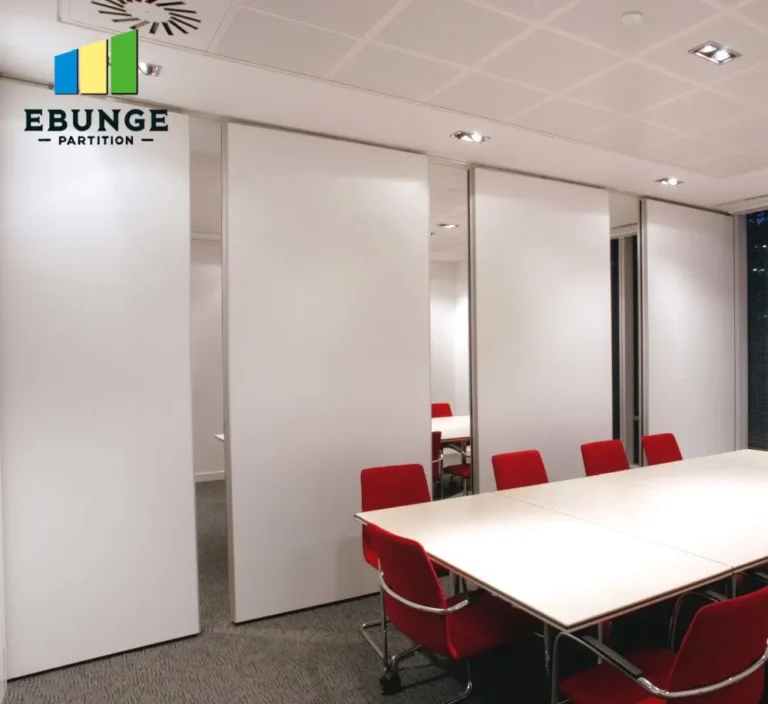
Acoustic performance is often the most critical requirement for a gymnasium partition. The partition must provide adequate sound insulation to allow multiple activities to occur simultaneously without disturbance. The STC rating is a standard measure of how well a partition reduces sound transmission. For gymnasiums, an STC of 40-50 is common, but higher ratings may be needed if the space is used for music performances or recording. However, achieving higher STC ratings increases the movable partition wall price due to the use of heavier materials and more advanced sealing systems. It is essential to define the acoustic target early in the project and communicate it clearly to the manufacturer. They can then recommend the most cost-effective solution that meets your performance requirements.
Finish Options: Durability Meets Aesthetics
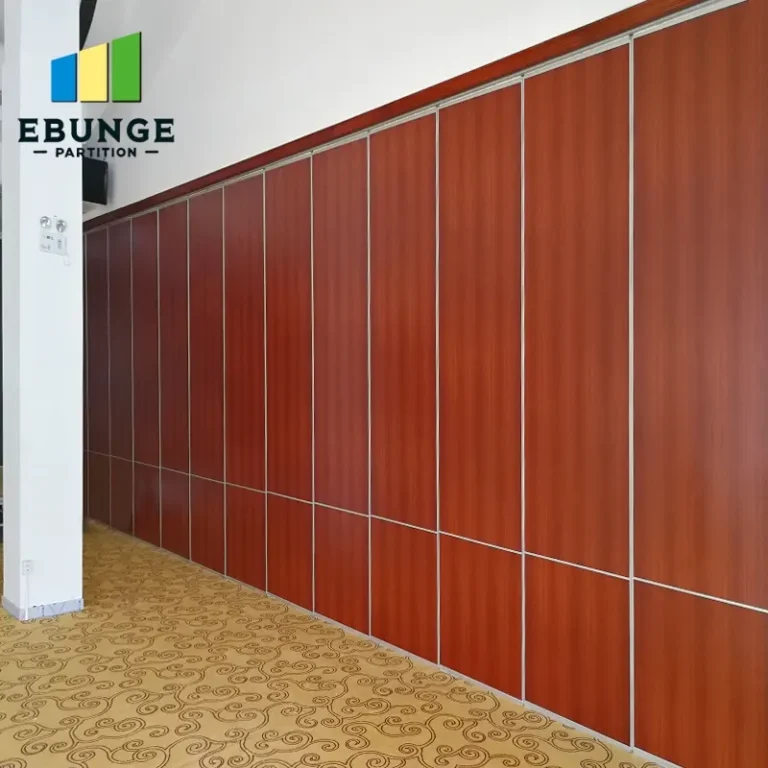
The finish of the partition not only affects its appearance but also its durability and maintenance. In a gymnasium, the partition is likely to be bumped, scratched, and exposed to moisture. Therefore, a durable finish such as a heavy-duty vinyl or a laminate is often preferred. These finishes are easier to clean and resist wear, but they may cost more than a standard painted finish. Custom finishes, such as incorporating school colors or logos, can also add to the cost. When requesting a quotation, specify the finish type and any customization requirements. The manufacturer can provide options that balance durability, aesthetics, and budget.
Installation and Structural Considerations
The installation of a top-hung movable partition wall requires a robust overhead track system. The existing structure must be able to support the weight of the partition, which is typically transmitted to the floor via the panels. If the gymnasium has a steel structure, it may be easier to attach the track, but if it is a concrete or wood structure, additional reinforcement may be needed. This can significantly impact the movable partition wall price. Additionally, the installation timeline can affect costs, especially if the project requires coordination with other trades or if the gymnasium must be closed during installation. To minimize disruption, plan the installation during off-peak times and ensure that the manufacturer provides detailed installation guidance and support.
Warranty and Total Cost of Ownership
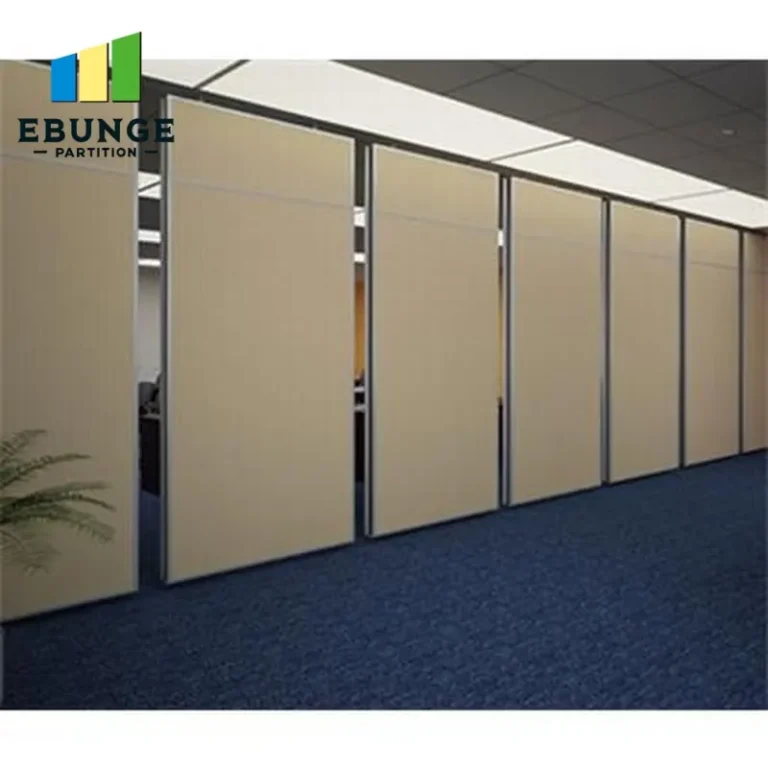
When comparing quotes, look beyond the initial price and consider the total cost of ownership. A cheaper partition may require more frequent repairs or have a shorter lifespan, leading to higher long-term costs. A good warranty should cover the structural integrity of the panels, the track system, and the operating mechanism. Ask the manufacturer about the warranty terms, including what is covered and for how long. Also, consider the maintenance requirements. Some finishes require periodic cleaning or sealing, while others are more low-maintenance. A partition that is easy to operate and maintain will save you time and money over its lifetime.
Share the opening, drawings, finish direction, and privacy target for a project-specific review.
How to Get an Accurate Quotation
To receive a precise and competitive quotation for your school partition wall project, you need to provide the manufacturer with comprehensive information. This includes:
- Detailed drawings: Architectural and structural drawings showing the opening size, ceiling height, and any obstructions.
- Acoustic target: The required STC rating or the specific acoustic performance you need.
- Finish preference: The type of finish and any customization required.
- Operational requirements: Manual or motorized, and any special safety features.
- Project timeline: The expected installation date and any constraints.
By providing this information upfront, you can avoid change orders and delays. Many manufacturers offer factory-direct support, which means you can work directly with the design and engineering team to optimize the system for your specific needs. This can lead to cost savings and a smoother installation process.
Comparing Quotes: What to Look For
When you receive quotations from different manufacturers, it is crucial to compare them on an apples-to-apples basis. Ensure that each quote includes the same scope of work, materials, and services. Look for the following:
- Inclusions and exclusions: Does the price include delivery, installation, and site supervision? Are there additional charges for electrical work or structural modifications?
- Specifications: Are the panel dimensions, materials, and acoustic ratings clearly stated?
- Warranty terms: What is covered and for how long?
- References: Can the manufacturer provide references from similar gymnasium projects?
Do not automatically choose the lowest quote. Consider the value and the manufacturer’s reputation. A slightly higher price may be justified by better quality, stronger warranty, and superior support.
Checklist for Your Gymnasium Partition Project
Use this checklist to ensure you cover all critical aspects:
| Item | Consideration |
|---|---|
| Opening dimensions | Width, height, and stacking space |
| Acoustic requirement | STC rating needed for the intended use |
| Finish type | Durability, maintenance, and aesthetics |
| Structural support | Ability of the ceiling to support the track |
| Operation | Manual or motorized, safety features |
| Installation timeline | Coordination with other trades and facility usage |
| Warranty and support | Coverage, duration, and manufacturer responsiveness |
Conclusion
Choosing the right school partition wall for a gymnasium involves careful consideration of several cost factors. By understanding the impact of opening size, acoustic performance, finishes, and structural requirements, you can prepare a realistic budget and avoid unexpected expenses. Always request detailed quotations based on the specific project parameters, and compare them thoroughly. Working with a manufacturer that offers factory-direct support can provide you with expert guidance and ensure that the partition system is tailored to your needs. This approach not only helps you stay within budget but also ensures that the final installation meets the functional and acoustic demands of your gymnasium project.
Frequently Asked Questions
What is the typical lifespan of a movable partition wall in a gymnasium?
The lifespan depends on the quality of the system, usage frequency, and maintenance. A well-maintained partition can last 20 years or more, but this varies by manufacturer and product line. Always ask for the expected lifespan and warranty terms.
Can a movable partition wall be installed in an existing gymnasium without major renovations?
Yes, in most cases, a top-hung movable partition can be installed in an existing structure, but the ceiling must be able to support the track. A structural assessment is necessary to determine if reinforcement is needed.
How does the acoustic performance of a movable partition compare to a permanent wall?
Movable partitions can achieve high acoustic ratings, but they may not match the performance of a permanent wall due to the seals and junctions. However, with proper installation and high-quality components, they can provide sufficient sound insulation for most gymnasium applications.
What maintenance is required for a movable partition wall?
Regular maintenance includes cleaning the panels, checking the seals, and lubricating the track and operating mechanism. The manufacturer should provide a maintenance schedule. Some finishes require more care than others.
Can the partition be customized to match the gymnasium’s branding?
Yes, many manufacturers offer custom finishes, including the application of logos, colors, or patterns. This can be a cost-effective way to enhance the aesthetic appeal of the space.
For more information on movable partition walls and cost considerations, you can explore our movable partition wall page, read our blog for insights, or check out the Movable Partition Cost category. If you have specific project questions, feel free to contact us.
Send the opening size and drawings to discuss a differentiated school partition wall solution.