
Quick answer: movable partition wall
Review focus: movable partition wall.
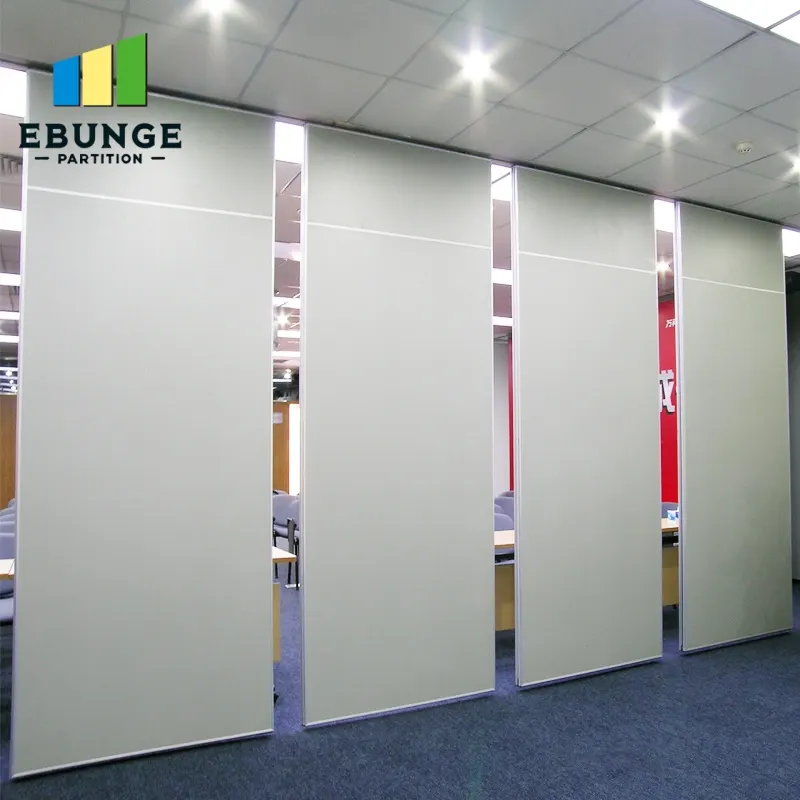
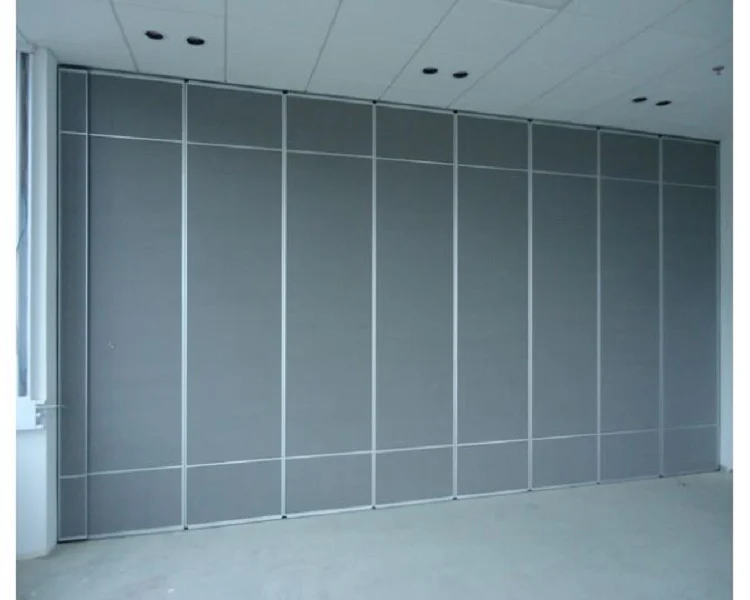
A movable partition wall handover document dependency map helps project teams see which closeout records can be issued now and which must wait for another trade, inspection or sign-off. On top-hung systems, panels are individually movable, suspended from a top track, cross the opening without a floor track, and park at a planned stacking position. That simple movement principle creates a surprisingly wide documentation web because the overhead route, opening geometry and parking zone all touch other scopes. This article explains how to sequence submittals realistically, using the approved movable partition wall context and project-specific drawing review.
Why a Dependency Map Beats a Flat Closeout Checklist
Project review term: movable partition wall.
A flat checklist treats every document as equally available. A dependency map asks a harder question: what must be true before this record can be produced? For movable partitions, the answer often sits outside the partition scope. The suitability of each route and parking arrangement depends on the approved layout, circulation, ceiling interfaces and operating sequence. The clear-floor route depends on finished floor levels and adjacent trades. The parking position depends on the architectural layout and nearby services.
When teams skip this mapping, they issue documents too early and then revise them. The map does not replace a project schedule; it shows where document production can realistically begin.
Core Document Groups and Their Trade Dependencies
Most movable partition closeout packages contain several document families. Each family has a different dependency profile. Understanding those profiles prevents a team from promising a complete handover file before the supporting trades have finished their work.
Design and coordination records
These include reviewed layouts, opening schedules and interface drawings. If the overhead route or parking zone changes, the partition drawings may need revision. Confirm project-specific support, acoustic and dimensional requirements before treating any drawing as final.
Product and finish records
Finish options include laminate, melamine, fabric, leather, glass and other approved surfaces. Finish approval records depend on the design team’s selection and sample sign-off. They do not depend on site completion, so they can often be progressed earlier than installation records.
Installation and completion records
These depend on the physical installation of the top track, panels and any pass-door elements. Pass-door requirements and project documentation can be discussed with the supplier. Completion records should not be dated before the relevant installation activity is verified.
Inspection and sign-off records
These depend on inspections by the relevant authority or consultant. They may also depend on other trades closing out their own inspections. A partition inspection cannot be finalized if the surrounding ceiling or floor work is still open.
A Sequencing Table for Closeout Submittals
The table below maps common document groups to the events that typically unlock them. It is a planning aid, not a contractual sequence.
| Document group | Typical unlock event | Common cross-trade dependency |
|---|---|---|
| Reviewed layout and opening schedule | Design coordination sign-off | Architectural, structural and MEP coordination |
| Finish approval record | Sample and selection sign-off | Interior design and owner approval |
| Top track support confirmation | Structural coordination review | Structural engineer and ceiling trade |
| Installation completion record | Physical installation verified | Partition installer and adjacent trades |
| Inspection record | Authority or consultant inspection | Building inspector and other trade inspections |
| Final handover file | All prior records accepted | Main contractor and owner sign-off |

How to Build the Map for Your Project
Start by listing every closeout document the contract requires. Then, for each one, write the single event that must happen before it can be issued. If you cannot name that event, the document is probably not ready to be scheduled.
- List all required closeout submittals from the specification.
- Identify the unlock event for each submittal.
- Mark which unlock events belong to other trades.
- Sequence submittals so that no record is issued before its unlock event.
- Review the sequence with the main contractor and relevant consultants.
- Update the map as coordination and site conditions change.
This process keeps the focus on evidence.
Evidence Boundaries for Acoustic and Performance Records
A project’s actual acoustic outcome depends on the full assembly, the surrounding construction, the seals and the installation quality.
For handover documentation, the safe approach is to record what was specified, what was installed and what was inspected.
Coordination Points That Often Delay Closeout
Several coordination points repeatedly appear in movable partition projects. The exact route, junction arrangement, continuous overhead path and parking position must be confirmed from the coordinated project drawings. The parking position must be planned so that stacked panels do not conflict with adjacent services or finishes. The opening must be clear of floor hardware along the partition line.
Each of these points touches another trade. When these interfaces are unresolved, the related closeout documents cannot be finalized. Reviewing the layout early with all affected trades reduces late revisions.
Frequently Asked Questions
What is a movable partition wall handover document dependency map?
It is a planning tool that shows which closeout documents depend on other trades’ completions, inspections or sign-offs before they can be issued. It helps teams sequence submittals realistically instead of treating every document as immediately available.
Can finish approval records be issued before installation is complete?
Yes, finish approval records often depend on sample and selection sign-off rather than site completion. Confirm project-specific requirements with the design team.
Which documents depend on structural coordination?
The exact overhead route and support arrangement must be confirmed by the responsible project team from coordinated drawings.
How should acoustic records be handled in closeout?
Acoustic records should reflect the specified assembly, the installed condition and any required inspection. Confirm project-specific acoustic evidence with the acoustic consultant.
What if the parking position changes late in the project?
A late change to the parking position can affect layout drawings, stacking routes and adjacent trade coordination. Update the dependency map and re-check the affected submittals. Confirm the revised layout with the project team before issuing final records.
Can EBUNGE provide project documentation for handover?
EBUNGE can discuss pass-door requirements and project documentation. Specific documentation scope, format and timing should be confirmed against the project’s contract and drawing set. Use the contact page to start that discussion.
Conclusion: Sequence Documents by Evidence, Not by Deadline Pressure
A movable partition wall handover document dependency map keeps closeout realistic. This approach protects the project from premature submittals and late revisions.
Use the approved resources for general planning context, and confirm every project-specific support, acoustic and dimensional requirement with the responsible consultants. When the dependency map is maintained, the final handover file becomes a predictable outcome rather than a last-minute scramble.
Ready to plan your closeout sequence? Contact EBUNGE to discuss project documentation, pass-door requirements and drawing review for your movable partition wall project.