
Quick answer: document dependency chain map
Review focus: document dependency chain map.
Facility acceptance rarely fails because one document is missing. It fails because a document was released before its upstream dependency was signed off. A movable partition wall handover document dependency chain map makes those relationships visible early, so track, stack and panel records are sequenced deliberately rather than assembled under pressure. This article explains how overseas project teams can build that map using maintained product facts, drawing review and clearly stated evidence limits.
The map is not a substitute for project-specific engineering. It is a coordination tool that shows which closeout record depends on which trade sign-off, which drawing revision, and which inspection. Confirm all support, acoustic and dimensional requirements against the approved project drawings before relying on any sequence.
Why a Dependency Chain Map Beats a Flat Document Register
Project review term: document dependency chain map.
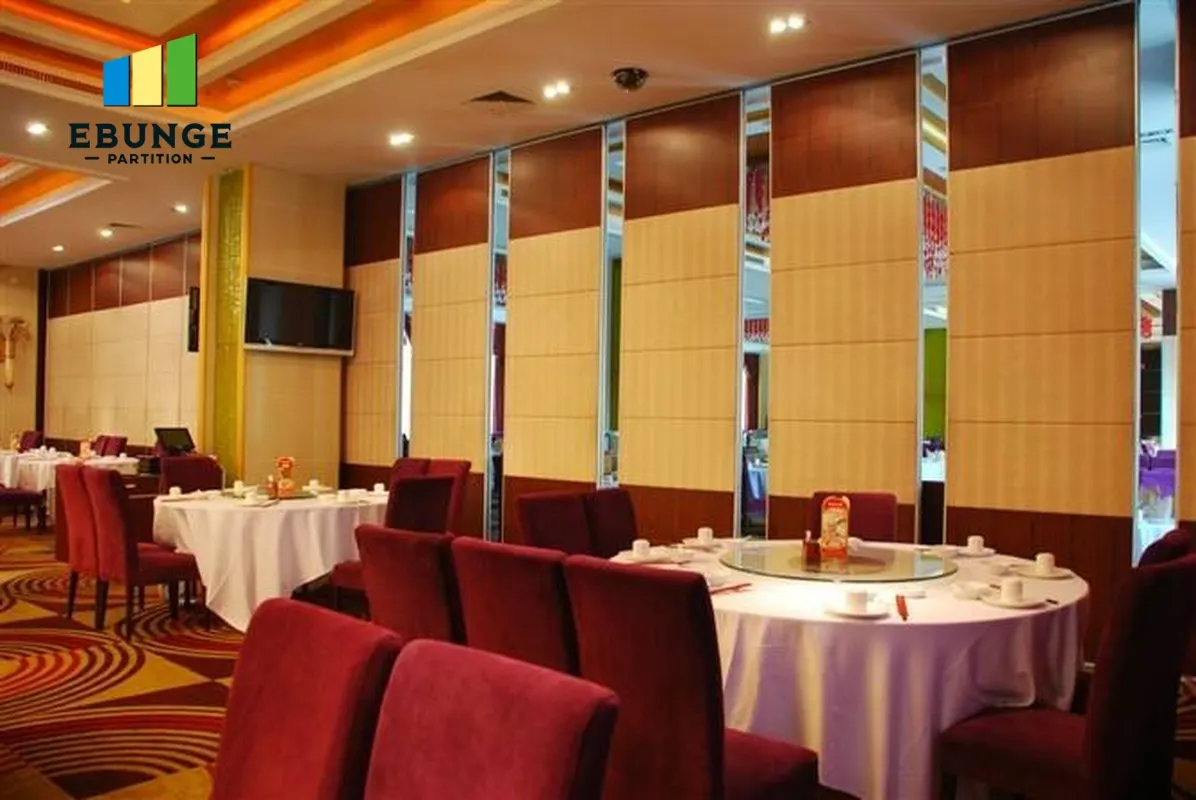
A flat register lists deliverables. A dependency chain map shows order. For movable partitions, the difference matters because the system is top-hung: panels are individually movable, suspended from a top track, cross the opening without a floor track, and park at a planned stacking position. Each of those facts creates an upstream dependency.
The suitability of each route and parking arrangement depends on the approved layout, circulation, ceiling interfaces and operating sequence. The stacking position depends on layout review. Panel records depend on finish approval and dimensional confirmation. If the register is flat, teams may issue panel finish records before the stacking route is confirmed, then reissue them later.
What the map is and is not
The map is a sequencing diagram for closeout records. Treat every arrow as a question: what evidence must exist before this record can be released?
Start With the Three Physical Routes
Coordination scope: document dependency chain map.
Before listing documents, confirm the physical routes that generate them. Straight, turning and stacking routes are reviewed from the layout. Each route type creates different drawing dependencies and different inspection points.
A straight run across an opening has one set of track and support checks. The exact route, junction arrangement, continuous overhead path and parking position must be confirmed from the coordinated project drawings. A stacking route adds parking position and clearance review. The document map should mirror those route decisions, not invent them.
Route review questions
- Is the overhead route continuous and connected for every proposed movement path?
- Has the stacking position been coordinated with adjacent trades and room use?
- Are pass-door requirements identified and discussed with the project team?
- Which drawing revision governs each route, and who signs it off?
Build the Dependency Chain in Five Layers
Checklist focus: document dependency chain map.
A practical map can be organized into five layers. Each layer releases only when the layer beneath it is signed off. This prevents downstream records from being issued against unconfirmed upstream conditions.
- Layout and route layer: approved layout showing straight, turning and stacking routes.
- Panel and finish layer: confirmed finish selection from laminate, melamine, fabric, leather, glass or other approved surfaces, plus dimensional confirmation.
- Installation and inspection layer: route verification, parking position check and pass-door coordination where required.
- Closeout layer: handover records, project documentation and acceptance sign-offs.
Each layer should name its owner, its evidence source and its release condition. The map becomes a communication tool between the contractor, architect, interior designer, owner and distributor.
Sequencing Track, Stack and Panel Records
Track records should not be released before support coordination is confirmed. Stack records should not be released before the parking position and route geometry are approved. Panel records should not be released before finish and dimensional confirmation.
Panel handling and the operating sequence must be confirmed for the selected layout and project conditions. It is a documentation logic. When the logic is clear, teams can plan review cycles instead of improvising at the end of the project.
Compact comparison: flat register vs dependency map
| Aspect | Flat register | Dependency chain map |
|---|---|---|
| Order | Alphabetical or trade-based | Upstream sign-off based |
| Risk visibility | Low | High |
| Reissue control | Reactive | Planned |
| Coordination | Document-focused | Dependency-focused |
Evidence Notes and Project-Specific Boundaries
Every record in the map should carry an evidence note. The note states what is confirmed, what is still open, and what must be verified against project drawings. This is especially important for acoustic concepts.
Confirm project-specific acoustic requirements with the responsible acoustic consultant and the approved system configuration.
Evidence note: finish options such as laminate, melamine, fabric, leather and glass are confirmed as available surfaces. Those require separate project-specific evidence.
Common Sequencing Mistakes to Avoid
Teams often release panel finish records before the stacking route is approved, or issue track records before support coordination is signed off. Both create rework. Another common mistake is treating a generic finish example as evidence of a application reference or a performance result.
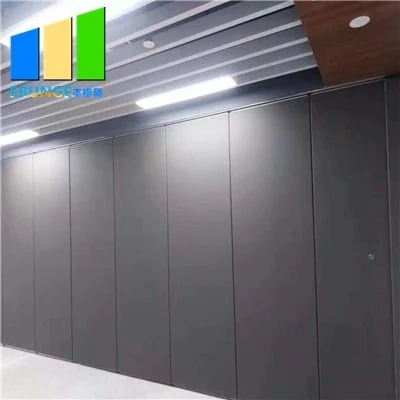
Visible references can support layout discussion but do not verify hidden construction or performance. If a statement is comparative, absolute or causal, it needs corresponding evidence or a clear project-specific confirmation boundary.
Checklist before release
- Is the governing drawing revision identified?
- Is the upstream sign-off recorded?
- Is the evidence note attached?
- Are open items listed with owners?
- Is the release condition met?
Coordinating Across Trades and Stakeholders
The map works only when it is shared. Contractors, architects, interior designers, owners, renovation companies, distributors and construction teams each hold part of the dependency chain. A short coordination review before each release cycle keeps the map current.
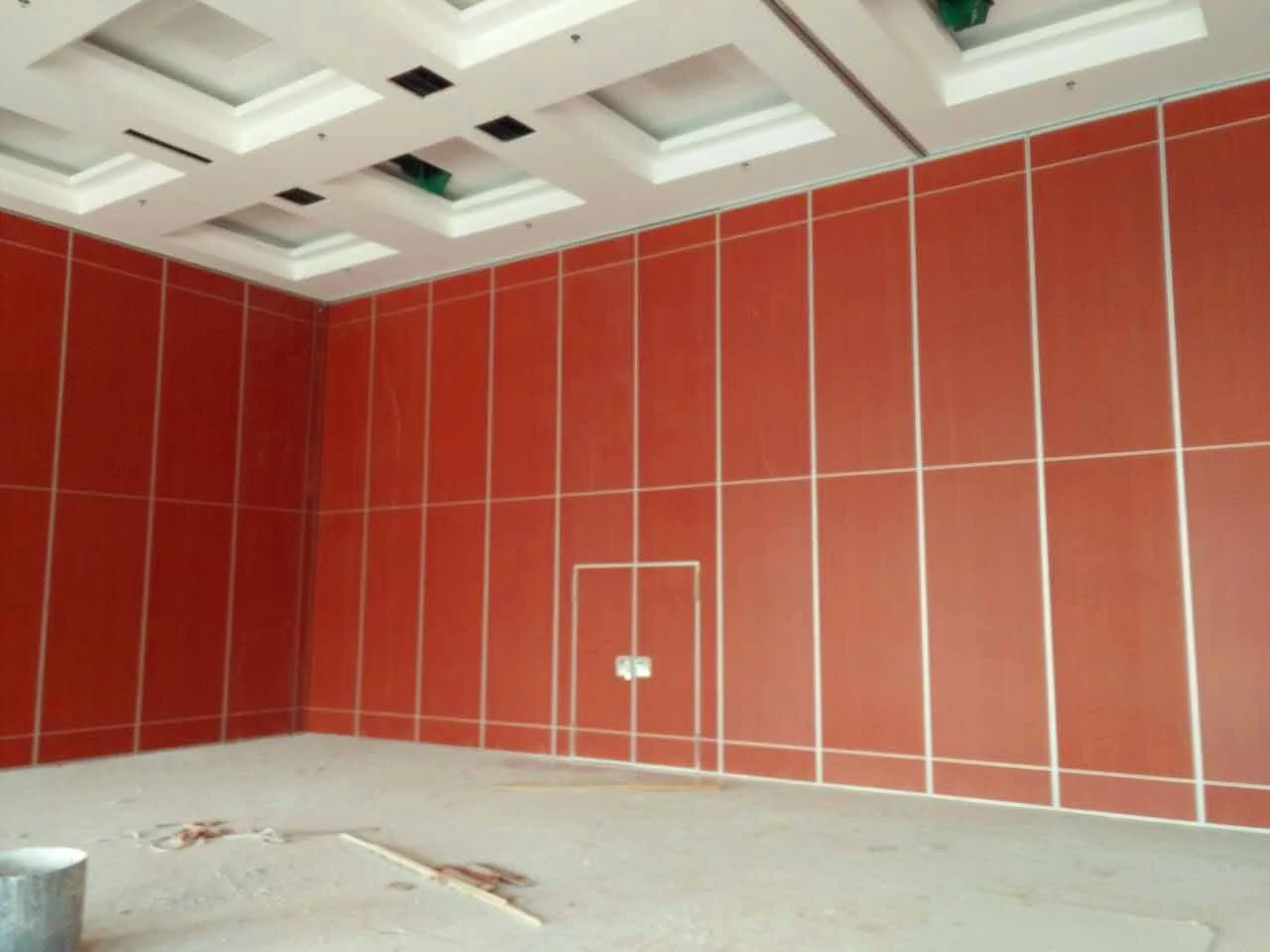
Pass-door requirements and project documentation can be discussed with the EBUNGE team as part of this coordination. Use the movable walls product page for maintained product context and the resources page for planning references.
FAQ: Handover Documentation Planning
What is a movable partition wall handover document dependency chain map?
It is a planning tool that shows which closeout records depend on which upstream trade sign-offs, drawing revisions and inspections. It sequences track, stack and panel records before facility acceptance.
Why not just use a flat document register?
A flat register lists deliverables but does not show order. A dependency map makes release conditions visible, which reduces reissuing records against unconfirmed upstream conditions.
Which project information is required to build the map?
Approved layout drawings showing straight, turning and stacking routes, support coordination status, finish selection, dimensional confirmation and pass-door requirements where applicable.
Can the map confirm acoustic performance?
No.
How should finish records be sequenced?
Finish records should follow confirmation of the selected surface from laminate, melamine, fabric, leather, glass or other approved surfaces, plus dimensional confirmation.
Who should own the dependency map?
The project team should assign an owner, often the contractor or project manager, who coordinates with the architect, interior designer, owner and distributor. The owner keeps the map current through each release cycle.
Conclusion and Next Step
A movable partition wall handover document dependency chain map turns closeout from a last-minute scramble into a planned sequence. Start with the physical routes, build the five layers, attach evidence notes, and release records only when upstream sign-offs are confirmed.
Confirm all project-specific support, acoustic and dimensional requirements against approved drawings. To discuss pass-door requirements and project documentation for your next flexible-space project, contact the EBUNGE team.