
Quick answer: movable partition wall document transmittal
Review focus: movable partition wall document transmittal.
Closeout on a movable partition wall project rarely fails because the panels do not move. It fails because nobody can prove which drawing, finish schedule or pass-door note was sent, to whom, and when. A movable partition wall document transmittal numbering receipt ledger solves that by giving every handover document a unique identity and every delivery a logged acknowledgment. This guide sets out a method overseas B2B teams can apply without inventing performance, engineering or commercial conclusions.
Why a Transmittal Ledger Matters on Movable Partition Projects
Project review term: movable partition wall document transmittal.
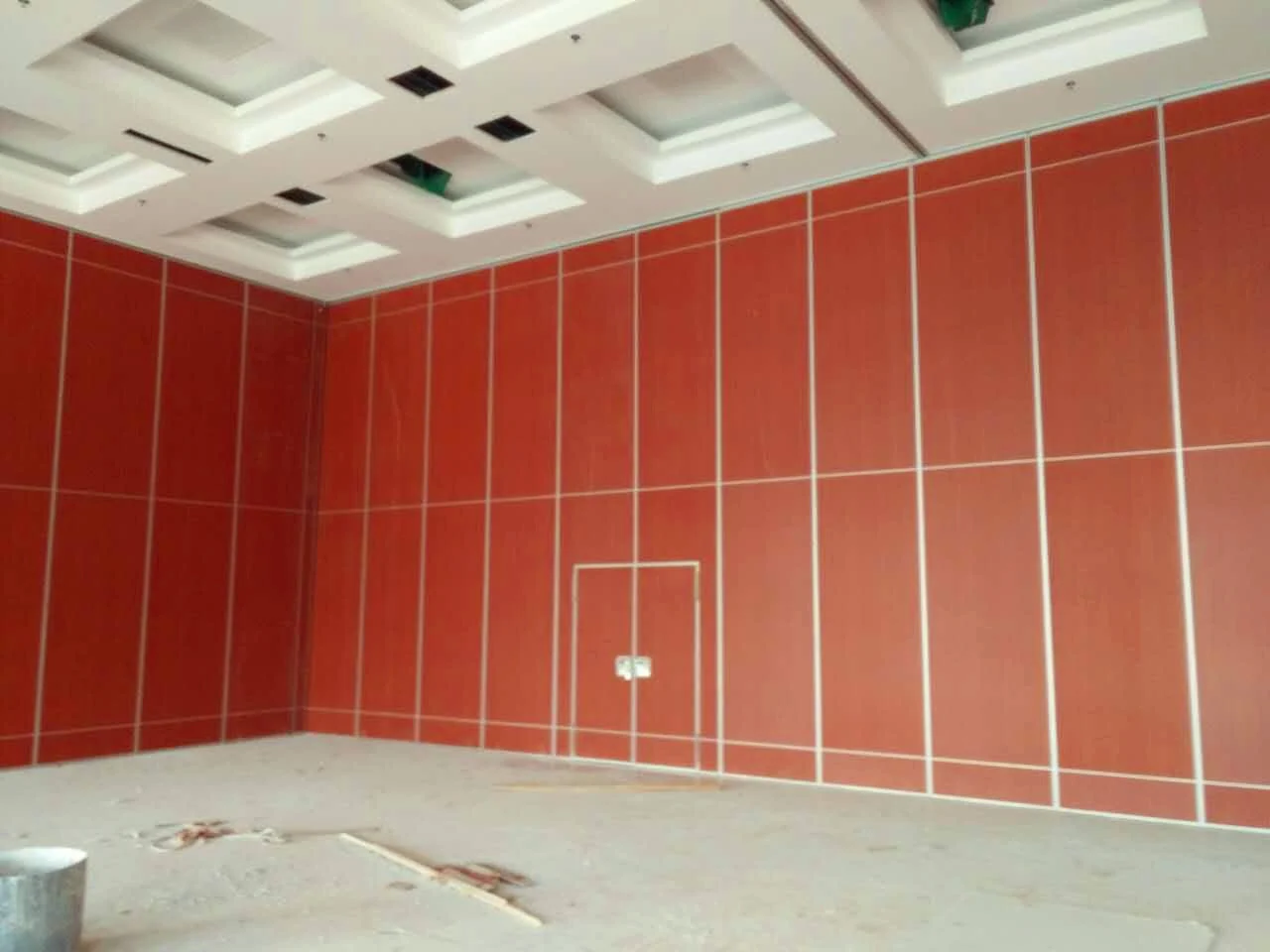
Movable partitions are top-hung systems. Panels are individually movable, suspended from a top track, cross the opening without a floor track, and park at a planned stacking position. Straight, turning and stacking routes are reviewed from the layout. That means handover documentation often includes layout drawings, route reviews, finish selections and pass-door requirements.
When those documents move between contractor, architect, owner and supplier, custody becomes unclear. A transmittal ledger records what left whose hands, what arrived, and what remains outstanding. It is a coordination tool, not a performance claim.
Assigning Unique Transmittal Numbers
Coordination scope: movable partition wall document transmittal.
A transmittal number should be unique, stable and readable at a glance. It identifies one issue event, not one document forever. If a drawing is reissued, it receives a new transmittal number even if the drawing number stays the same.
A workable numbering pattern
- Project code — a short identifier agreed at kickoff.
- Discipline or package code — for example partition, finish or pass-door.
- The suitability of each route and parking arrangement depends on the approved layout, circulation, ceiling interfaces and operating sequence.
- Revision suffix — tied to the document revision, not the transmittal sequence.
Example structure: PRJ-PART-0042 Rev B. The transmittal number is PRJ-PART-0042; Rev B describes the document inside it. This separation prevents the common error of treating a revision as a new delivery.
What Belongs in the Receipt Acknowledgment Ledger
Checklist focus: movable partition wall document transmittal.
The ledger is the receiving-side mirror of the transmittal register. Each row should capture enough detail that a third party can reconstruct the delivery without asking questions.

| Field | Purpose | Evidence boundary |
|---|---|---|
| Transmittal number | Unique issue identity | Must match sender register |
| Document title and revision | Identifies content | Revision must be explicit |
| Date sent | Delivery timeline | Sender-recorded date |
| Date received | Receipt timeline | Receiver-recorded date |
| Acknowledged by | Named recipient | Role, not inferred authority |
| Status | Open, acknowledged, superseded | No performance inference |
Those belong in project-specific documentation confirmed against the actual layout and requirements.
Coordinating Handover Documentation Across Overseas Teams
Time zones and language differences make verbal confirmation unreliable. A numbered transmittal creates a written thread that survives staff changes.
Practical coordination rules
- Send one transmittal per issue event, not one per file.
- Reference the transmittal number in every follow-up email.
- Log acknowledgment within an agreed window, even if review is ongoing.
- Mark superseded documents clearly rather than deleting them.
- Keep finish selections, including laminate, melamine, fabric, leather, glass and other approved surfaces, linked to their transmittal.
Where pass-door requirements or project documentation need discussion, route them through the same numbered channel so the record stays complete. You can review maintained product context on the movable walls product page and general planning material in the resources section.
Evidence Boundaries for Acoustic and Dimensional Statements
Handover documents often mention acoustic separation. If a project requires a specific acoustic outcome, confirm it against project-specific evidence rather than inferring it from a finish, drawing or generic description.
Evidence note: this article describes a documentation method only. It does not confirm acoustic performance, structural capacity, dimensions, support points or completion status for any project. Confirm project-specific support, acoustic and dimensional requirements with the responsible parties.
The same boundary applies to routes. A proposed movement path requires a continuous connected overhead route and project-specific support review. The exact route, junction arrangement, continuous overhead path and parking position must be confirmed from the coordinated project drawings.
Reviewing the Ledger Before Closeout
Before closeout, reconcile the sender register against the receipt ledger. Every transmittal should have a matching acknowledgment or a documented reason it does not.
Closeout reconciliation checklist
- No duplicate transmittal numbers.
- No reused numbers after cancellation.
- Every revision traceable to its parent transmittal.
- Superseded documents marked, not removed.
- Outstanding acknowledgments listed with owners.
- Finish and pass-door references linked to the correct issue.
This reconciliation is administrative. It does not certify installation, acoustic outcome or compliance. Those remain subject to project-specific confirmation.
Frequently Asked Questions
What is a movable partition wall document transmittal numbering receipt ledger?
It is a paired register and log. The transmittal register assigns a unique number to each issue event; the receipt ledger records formal acknowledgment of delivery. Together they show custody and delivery status through closeout.
Should a reissued drawing get a new transmittal number?
Yes. The transmittal number identifies the issue event. The revision suffix identifies the document content. Keeping them separate prevents confusion between a new delivery and a revised file.
Does the ledger confirm acoustic performance?
No. The ledger is a documentation control tool.
How should finish selections be recorded?
Link each confirmed finish option — such as laminate, melamine, fabric, leather, glass or another approved surface — to the transmittal that carried it. Do not treat a finish name as evidence of cleaning compatibility or performance.
What if a recipient does not acknowledge?
Log the outstanding status, the date sent and the named recipient. Continue follow-up through the same numbered channel so the record remains complete and auditable.
Can this method cover pass-door requirements?
Yes. Pass-door requirements and project documentation can be discussed and routed through the same numbered transmittal channel, keeping the handover record consistent.
Conclusion and Next Steps
A disciplined transmittal numbering and receipt acknowledgment ledger gives overseas teams a traceable handover record without overstating what the documents prove. Assign unique numbers, log acknowledgments, mark superseded issues and reconcile before closeout. Keep every performance, support and dimensional statement tied to project-specific confirmation.
To discuss pass-door requirements, finish options or project documentation for your layout, contact the EBUNGE team and share your drawings for review.