
Quick answer: movable partition wall
Review focus: movable partition wall.
The movable partition wall closeout record retrieval drill response time log is a simple facility-team exercise: pick a record, find it, and write down how long it took. Run it after final acceptance, while the project team is still reachable and the handover package is still fresh. The goal is not to grade people. It is to expose missing, misfiled or unreadable closeout records before an operational need forces a rushed search.
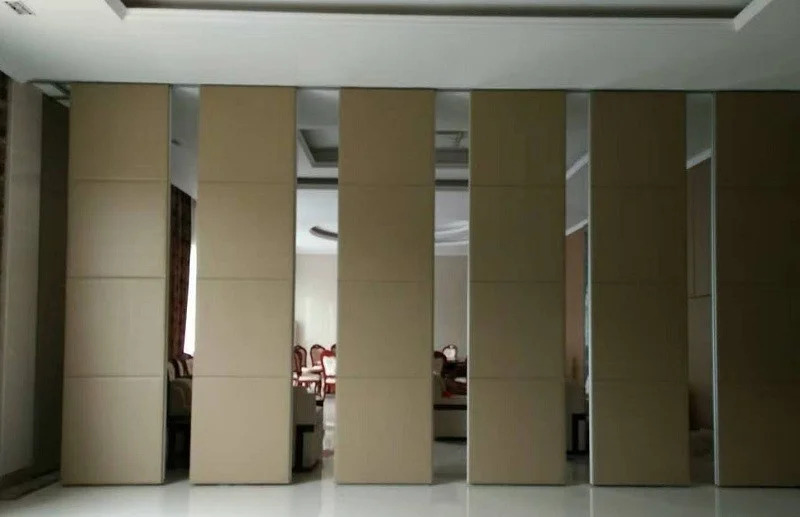
This guide stays inside confirmed product facts. EBUNGE movable partition panels are individually movable, suspended from a top track, cross the opening without a floor track, and park at a planned stacking position. Straight, turning and stacking routes are reviewed from the layout. Finish options include laminate, melamine, fabric, leather, glass and other approved surfaces. Pass-door requirements and project documentation can be discussed. The exact overhead route and support arrangement must be confirmed by the responsible project team from coordinated drawings.
Why a Retrieval Drill Belongs in Handover Documentation
Project review term: movable partition wall.
Handover documentation is often judged by its thickness, not its usability. The exact route, junction arrangement, continuous overhead path and parking position must be confirmed from the coordinated project drawings.
A retrieval drill converts that risk into a measured routine. It asks a practical question: when someone needs a specific record, how long does it take to produce it? The answer is a response time, not a performance claim. It is evidence about the handover package, not about the partition system.
What the drill is not
The suitability of each route and parking arrangement depends on the approved layout, circulation, ceiling interfaces and operating sequence. It does not prove that a partition will perform in any particular way. It only shows whether the closeout records are findable, legible and traceable to the project.
Build the Closeout Record Index Before the Drill
Coordination scope: movable partition wall.
You cannot time retrieval reliably without a shared index. Create one list that names each record type, its location, its format and its owner. Keep the index short enough to maintain, but complete enough to cover the records a facility team is likely to need.
- Finish schedule naming approved surfaces such as laminate, melamine, fabric, leather, glass or other approved finishes.
- Pass-door requirements and any agreed documentation about access points.
- Support and interface notes that were confirmed for the project.
- Acoustic documentation that was issued for the project, with its stated scope.
- Inspection, acceptance and snag records from the handover period.
- Contact and escalation paths for project-specific questions.
If a record type has no entry, mark it as a gap rather than leaving the row blank. A visible gap is more useful than a silent assumption.
Run the Timed Retrieval Drill in Five Steps
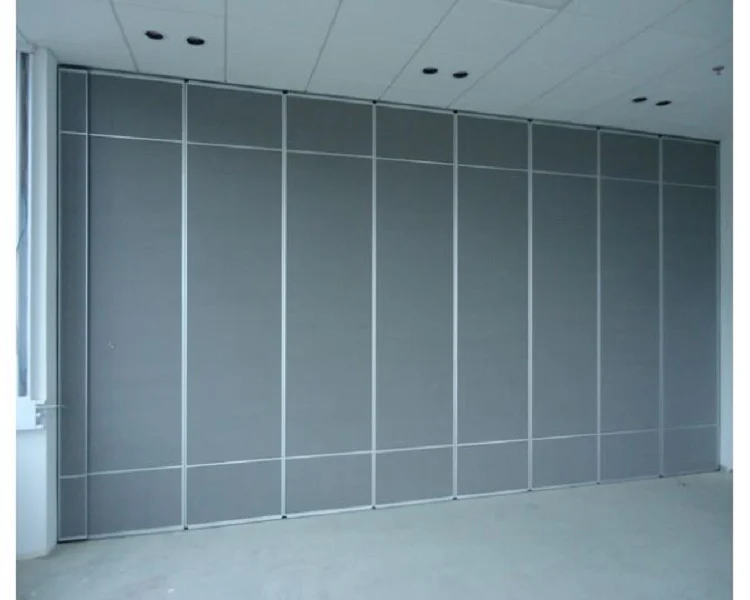
Checklist focus: movable partition wall.
the assigned operating team are enough: one caller who names the record, and one searcher who locates it. A third person can log times and observations.
- Select the sample. Choose records across layout, finishes, pass doors, support notes, acoustic documentation and acceptance records. Do not only pick the easy ones.
- Call the record. The caller names the record type and the project area, without giving the file path or folder name.
- Start the clock. The searcher begins from the normal working position, using the tools and access rights a facility team would normally have.
- Stop at delivery. Stop when the correct record is open and readable. Note whether it was found in the index, in a folder, in an email thread or not at all.
- Log the result. Record the response time, the route taken and any blocker. Repeat for each sample record.
Keep the session short. The value comes from repetition and honest logging, not from a long one-off audit.
Use a Response Time Log That Separates Speed from Gaps
Review focus: movable partition wall.
A response time log should distinguish between a slow search and a missing record. Those are different problems with different fixes. A missing record may need a project-specific query to the original project team.
| Log field | What to record | Why it matters |
|---|---|---|
| Record type | Layout, finish, pass door, support note, acoustic document, acceptance record | Shows which parts of the package are usable |
| Response time | Elapsed time from call to readable record | Creates a comparable baseline for future drills |
| Retrieval route | Index, folder, email, drawing set, physical file | Reveals where records actually live |
| Blocker | Missing, misfiled, unreadable, wrong revision, no access | Separates speed issues from package gaps |
| Owner | Person or team responsible for the record | Gives the gap a clear follow-up path |
Do not convert response times into promises about future service. Treat them as internal observations that help the facility team improve its own handover package.
Interpret Results Without Overclaiming
Project review term: movable partition wall.
After the drill, review the log for patterns. Several slow retrievals in one record type may point to a weak index. Several missing records may point to a handover gap. A record that is found but unreadable may point to a format or revision problem.
Keep interpretation bounded. Confirm the project-specific acoustic requirement with the responsible project team.
Questions to ask after the drill
- Which record types were found fastest, and why?
- Which record types were missing or unclear?
- Did the index match where records actually were?
- Which gaps need a project-specific query before they become operational problems?
- Who will update the index before the next drill?
Close the Gaps Before an Operational Need Forces Them
A retrieval drill gives the facility team a calm moment to find the gaps and route them to the right owner.
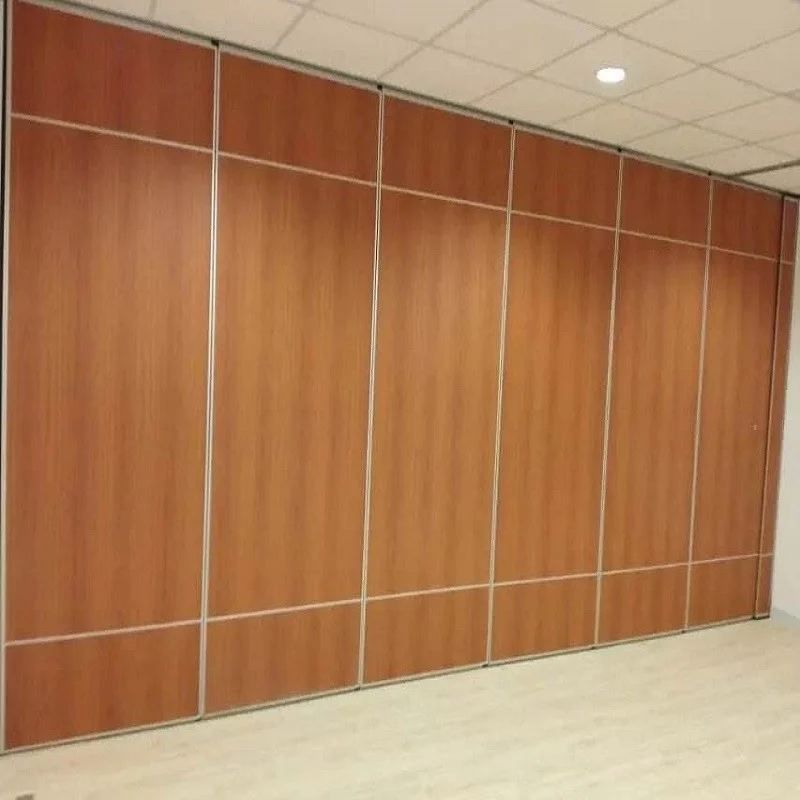
For movable partition projects, the records most likely to matter are those that show the layout, the movement routes, the parking position, the approved finishes and any pass-door requirements. Because straight, turning and stacking routes are reviewed from the layout, the layout record is often the first one to check. Because finish options include laminate, melamine, fabric, leather, glass and other approved surfaces, the finish schedule is another practical priority.
Where a record is missing, do not fill the gap with an assumption. Ask the project team to confirm the project-specific support, acoustic and dimensional requirements. That confirmation belongs in the closeout package, not in a guess.
FAQ: Closeout Record Retrieval for Facility Teams
How often should a facility team run the retrieval drill?
Run it after final acceptance, then repeat at a regular interval that suits the building. The exact frequency is a project decision. What matters is that the drill is repeatable and that the log is updated each time.
What counts as a successful retrieval?
A retrieval is successful when the correct record is produced, open and readable within the normal working setup. If the searcher finds a wrong revision or an unreadable file, log it as a blocker rather than a success.
Does the drill measure partition performance?
No. It measures the usability of the handover package. Those topics require their own project-specific evidence.
Which records should be sampled first?
Start with layout drawings, finish schedules, pass-door records and any support or acoustic documentation issued for the project. These are the records most likely to be requested during a reconfiguration or a facilities query.
What should we do when a record is missing?
Mark it as a gap, name an owner and send a project-specific query to the original project team. Do not infer the missing content from a drawing, a photograph or a finish sample.
Can the response time log be shared with contractors?
Yes, if the project allows it. Confirm any documentation-sharing rules for the specific project.
Conclusion: Make Retrieval a Routine, Not a Rescue
A closeout record retrieval drill and response time log turn handover documentation into something a facility team can actually use. Keep every conclusion tied to the records you have, and confirm project-specific support, acoustic and dimensional requirements with the responsible team.
To discuss pass-door requirements, finish options or project documentation for a movable partition wall project, contact EBUNGE. You can also review the movable wall product range and the project resources before your next handover review.