
Quick answer: closeout record query routing
Review focus: closeout record query routing.
Final acceptance is not the end of a movable partition wall project. It is the point where the facility team inherits a set of closeout records and must keep them usable for years. A practical movable partition wall closeout record query routing method helps you send each post-handover question to the correct responsible party and track who owes a response. This article sets out a routing and ownership framework for facility teams, with evidence boundaries and project-specific confirmation points made explicit.
Why Closeout Records Become Unusable After Handover
Project review term: closeout record query routing.
Closeout records are often complete at handover but poorly indexed for later use. A facility team may hold drawings, schedules, finish references and correspondence, yet still struggle to answer a simple question about a panel route, a parking position or a finish replacement. The problem is rarely missing paper. It is missing routing logic.
When a query has no named owner, it circulates. When a response has no tracking, it disappears. The result is that the facility team reopens settled questions, duplicates effort, or makes decisions from incomplete information. A routing framework prevents that drift by assigning every query type to a responsible party and a response expectation.
Define Query Categories Before You Need Them
Coordination scope: closeout record query routing.
The suitability of each route and parking arrangement depends on the approved layout, circulation, ceiling interfaces and operating sequence. Categories should reflect the actual records a facility team uses, not an abstract filing system. For movable partition walls, useful categories include layout and route questions, finish and surface questions, pass-door questions, and documentation completeness questions.
Layout, Route and Stacking Queries
These cover the straight, turning and stacking routes shown in the reviewed layout, and the planned parking position. Because panels are individually movable, suspended from a top track, and cross the opening without a floor track, route questions should be answered against the coordinated layout rather than from memory or a photograph.
Finish and Surface Queries
Confirmed finish options include laminate, melamine, fabric, leather, glass and other approved surfaces. A finish query should be routed to the party that holds the approved finish schedule. Do not treat a generic finish example as evidence of cleaning compatibility or performance.
A Routing and Response Ownership Framework
Checklist focus: closeout record query routing.
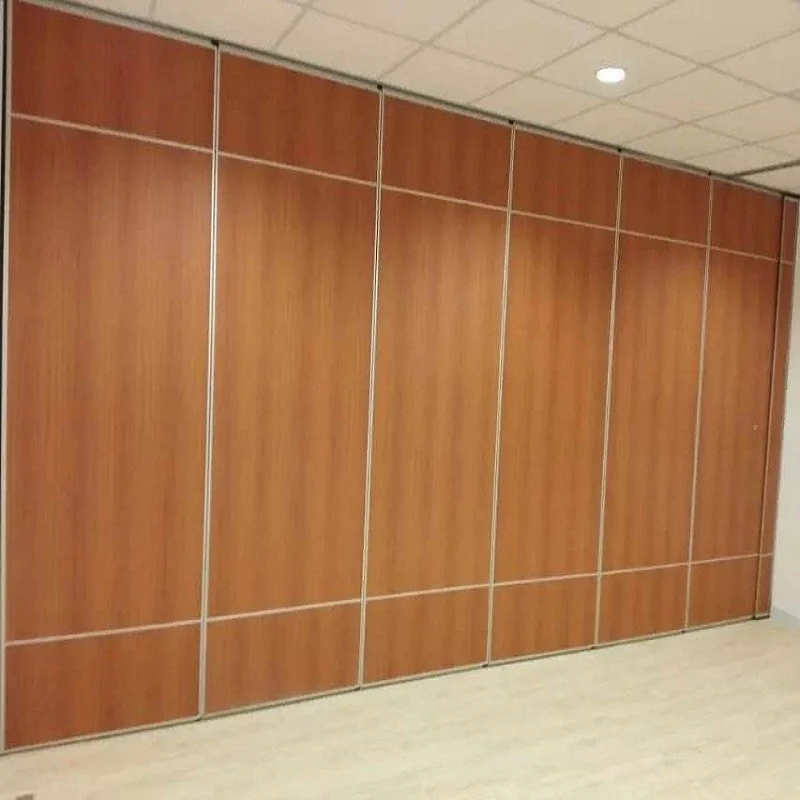
The framework below assigns each query category to a primary owner and a tracking action. It is a coordination model, not a substitute for project-specific support, acoustic and dimensional confirmation.
| Query category | Primary owner | Tracking action |
|---|---|---|
| Layout, route, stacking | Design or installation lead | Log against the reviewed layout revision |
| Finish and surface | Finish schedule owner | Log against the approved finish reference |
| Pass-door requirements | Project coordinator | Log as a project-specific confirmation item |
| Documentation completeness | Handover record owner | Log against the closeout index |
Each row should have a named person, not a department. A named owner creates accountability; a department creates delay. The tracking action should reference the record the answer will update, so responses improve the closeout set instead of existing only in email.
Build a Query Intake and Triage Checklist
Review focus: closeout record query routing.
Use a short intake checklist so that every query arrives with enough context to be routed on first reading. This reduces back-and-forth and keeps response ownership visible.
- State the room or venue, and note that the named venue is an example only.
- Identify the record being questioned, such as a layout, finish schedule or closeout index.
- Describe the observed condition without inferring hidden performance.
- Name the requested outcome, such as clarification, correction or confirmation.
- Assign a provisional category from the framework table.
- Record the date the query was raised and the response due date.
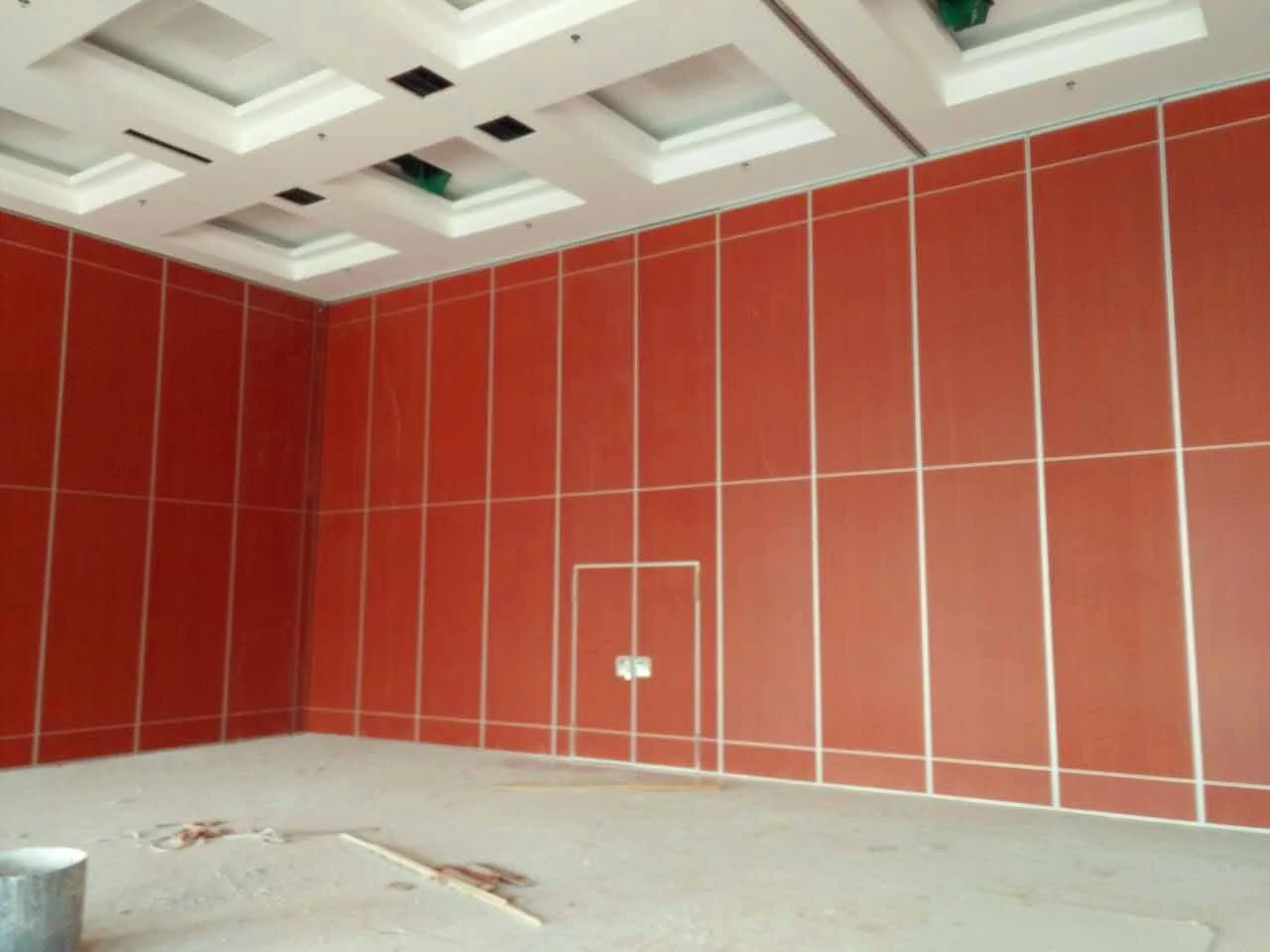
If a query cannot be categorized, route it to the handover record owner for triage rather than sending it broadly. Broad distribution is the most common cause of lost ownership.
Track Responses Without Creating a Second Project
Response tracking should be light enough to survive normal staff changes. The register should live with the closeout records, not in a separate system that future teams may not find.
Review open queries at a fixed interval and escalate only when a response is overdue. Escalation should go to the party that can confirm the project-specific requirement, not to the largest available audience.
Evidence Boundaries for Closeout Answers
Closeout answers must stay inside the evidence that exists. Visible references can support layout discussion but do not verify hidden construction or performance.
Every proposed movement path requires a continuous connected overhead route and project-specific support review. Do not imply that panels can travel across an untracked gap.
When a query asks for something outside the available evidence, the correct response is to state the confirmation boundary and identify who can confirm it. That is a valid answer, not a failure.
Keep Records Usable Through Staff and Scope Changes
Facility teams change. Scope changes too. A routing framework survives both when it is documented, owned and reviewed. Record the routing table, the intake checklist and the response register together, and review them after any significant change to the space or the team.
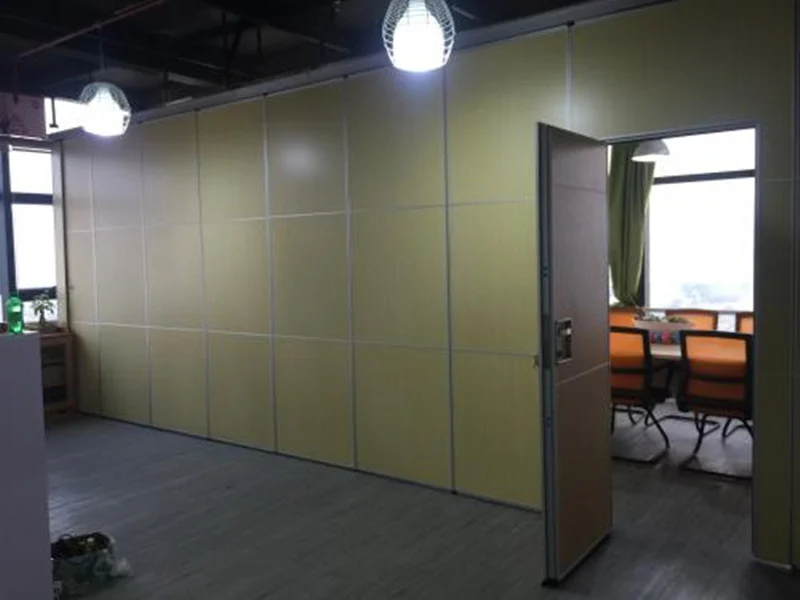
For product context, see the movable wall systems page. For broader planning material, use the resources section. When a query needs project-specific confirmation, contact the EBUNGE team so it can be routed to the right party.
Frequently Asked Questions
What is movable partition wall closeout record query routing?
It is the method of assigning each post-handover documentation question to a named responsible party and tracking the response against the relevant closeout record.
Who should own closeout queries after final acceptance?
The facility team should own the register, while each query category has a primary owner such as the design lead, finish schedule owner or project coordinator.
Can a photograph answer a route or stacking question?
No. Route and stacking questions should be answered against the reviewed layout, because every proposed movement path requires a continuous connected overhead route and project-specific support review.
How should finish queries be handled?
Route them to the party holding the approved finish schedule. Confirmed options include laminate, melamine, fabric, leather, glass and other approved surfaces, but a generic example is not evidence of cleaning compatibility.
What should happen when a query exceeds the available evidence?
State the confirmation boundary clearly and identify who can confirm the project-specific support, acoustic or dimensional requirement. Do not infer hidden performance.
How often should the query register be reviewed?
At a fixed interval agreed by the facility team, with escalation only when a response is overdue and only to the party able to confirm the requirement.
Conclusion and Next Step
Define categories, name owners, use a short intake checklist, and keep the register with the records. Confirm project-specific support, acoustic and dimensional requirements before relying on any closeout answer.
To discuss pass-door requirements, project documentation or routing questions for your project, contact EBUNGE and the team will help direct your query to the appropriate party.