
Quick answer: movable partition wall
Review focus: movable partition wall.
A movable partition wall closeout record handover trigger map is a sequencing tool, not a document dump. It links each closeout record to the moment a specific facility role is authorized to operate the operable walls. On top-hung systems, panels are individually movable, suspended from a top track, cross the opening without a floor track, and park at a planned stacking position. The exact route, junction arrangement, continuous overhead path and parking position must be confirmed from the coordinated project drawings.
Why a Trigger Map Beats a Single Handover Meeting
Project review term: movable partition wall.
Closeout information is often released in one package at practical completion. That timing suits the contractor but not the facility team. Cleaning crews, security staff, AV technicians and event setup teams begin touching the partition at different moments, and each group needs different records before it does.
A trigger map defines the condition that must be met before a role receives authorization. The map does not replace commissioning, inspection or the project specification. It simply prevents a role from operating the wall before the relevant track, stack or panel record has been transferred and acknowledged.
Start With the Reviewed Movement and Parking Layout
Coordination scope: movable partition wall.
Every trigger in the map should trace back to the approved layout. Straight, turning and stacking routes are reviewed from that layout, so the records that describe those routes must be transferred before anyone moves a panel along them.
Track records
Track-related closeout records describe the overhead route the panels follow. They should confirm that the installed route matches the reviewed drawing and that the support condition has been accepted by the responsible project party. Do not infer support capacity from a photograph or a finish sample.
Stack records
Stacking records describe where panels park and how the parking zone relates to adjacent construction, services and finishes. Parking style is customized to the customer layout and project requirements, so the stack record must reflect the coordinated design rather than a default arrangement.
Panel records
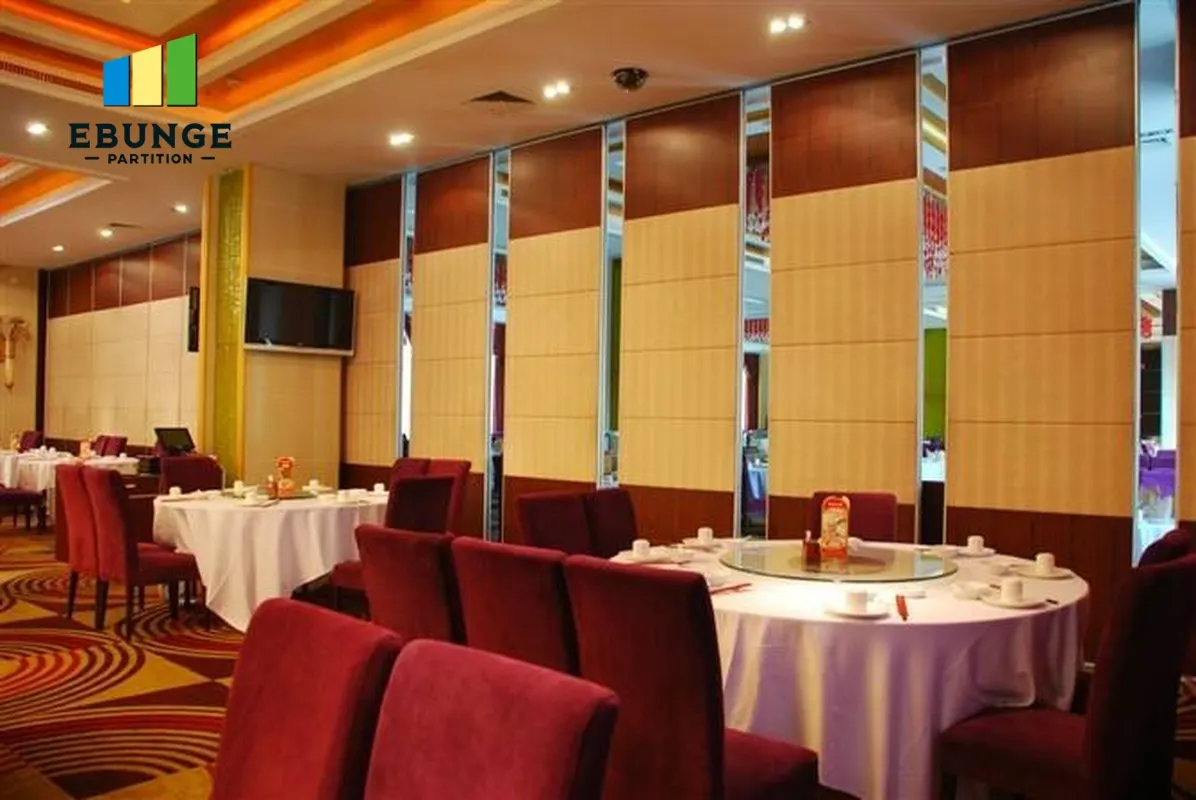
Panel records cover identification, finish schedule and the approved surface. Confirmed finish options include laminate, melamine, fabric, leather, glass and other approved surfaces. The suitability of each route and parking arrangement depends on the approved layout, circulation, ceiling interfaces and operating sequence.
The Closeout Record Handover Trigger Map
Checklist focus: movable partition wall.
The table below is a planning template. Project teams should adapt the trigger conditions to the contract, the reviewed drawings and the facility’s operating model.
| Facility role | Record to transfer first | Trigger before operation |
|---|---|---|
| Facility manager | Reviewed layout and route record | Layout accepted and movement path confirmed |
| Cleaning team | Approved finish schedule | Surface care guidance issued for the approved finish |
| Security team | Stack position record | Parking zone released and marked per drawing |
| AV or event team | Panel identification list | Panel sequence and pass-door requirements confirmed |
| Maintenance coordinator | Track and support acceptance record | Responsible party confirms support review is closed |
Sequencing Records by Facility Role
Sequence matters because some records depend on others. A finish care instruction cannot be issued before the finish schedule is approved.
- Transfer the reviewed layout and route record to the facility manager.
- Transfer the track and support acceptance record to the maintenance coordinator.
- Transfer the stack position record to the security or operations lead.
- Transfer the approved finish schedule to the cleaning supervisor.
- Transfer the panel identification list and pass-door requirements to the AV or event team.
- Record acknowledgement from each role before that role operates the wall.
Pass-door requirements and project documentation can be discussed with the supplier during planning so that the closeout list reflects the actual configuration.
Evidence Boundaries Every Project Team Should State
Closeout documents should distinguish between what has been verified and what still requires project-specific confirmation. This is especially important where acoustic concepts are involved.
STC and Rw are rating concepts used to describe acoustic performance. They are not a direct count of decibels, and a rating value alone does not predict how a partition will behave in a specific room. Confirm acoustic requirements with the responsible project professional.
Teams should also confirm project-specific support, acoustic and dimensional requirements before releasing any record. Do not derive hidden performance from a visible shape, finish or drawing.
Common Sequencing Mistakes to Avoid
One frequent mistake is releasing the stack zone before the route record is accepted. Another is treating a finish approval as permission to operate the wall. A third is allowing a role to begin work because a document exists, without confirming that the document matches the installed condition.
The trigger map should be reviewed whenever the layout changes.
FAQ: Closeout Record Handover Planning
What is a movable partition wall closeout record handover trigger map?
It is a planning tool that links each closeout record to the moment a facility role is authorized to operate the operable walls. It sequences track, stack and panel records rather than releasing them as one package.
Which record should be transferred first?
The reviewed layout and route record is normally first, because track, stack and panel records depend on the accepted movement path. Confirm the exact order with the project team.
Do panels need a floor track for the handover to be complete?
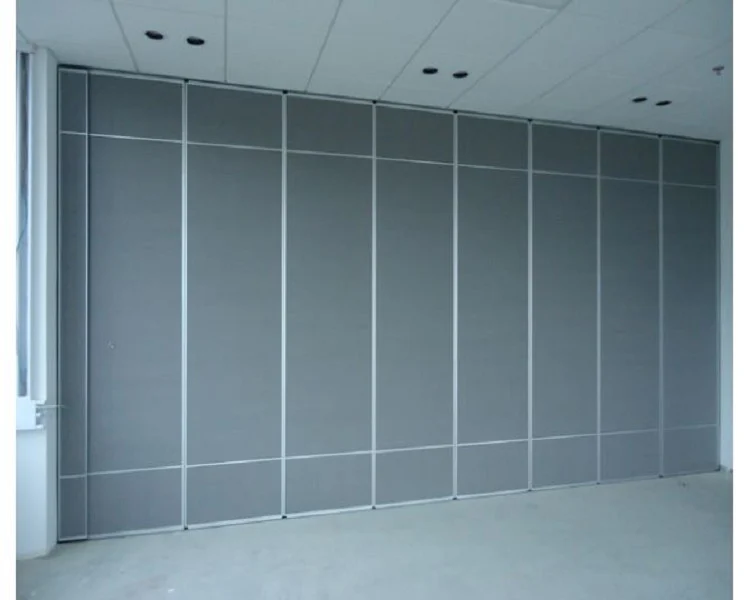
No. EBUNGE movable partition panels are top-hung and move without a continuous floor running track or floor hardware along the partition line. The overhead route still requires project-specific support review.
Can the finish schedule be used as acoustic evidence?
No. Acoustic requirements should be confirmed separately with the responsible project professional.
How often should the trigger map be updated?
Update it whenever the reviewed layout, stacking position or panel configuration changes. Reissue affected records and obtain fresh acknowledgement before the related role operates the wall.
Where can project teams discuss documentation requirements?
Teams can review the movable wall product context, consult the project resources, or contact the team to discuss pass-door requirements and project documentation.
Conclusion: Sequence Records Before Authorizing Operation
A closeout record handover trigger map keeps handover practical. It ties each track, stack and panel record to a role, a trigger and an acknowledgement.
To discuss documentation sequencing for a specific project, contact EBUNGE and share the reviewed layout, stacking plan and finish schedule.