
Quick answer: movable partition wall
Review focus: movable partition wall.
The movable partition wall closeout record handover certificate sign-off sequence is the structured path that moves a completed installation from project delivery into operational control. It is not a single signature. It is a sequence of custody transfers, each tied to a record type: track and support documentation, stacking and parking records, panel and finish records, and the final operational handover certificate. This article explains how overseas project teams can organise that sequence without inventing performance, engineering or commercial conclusions.
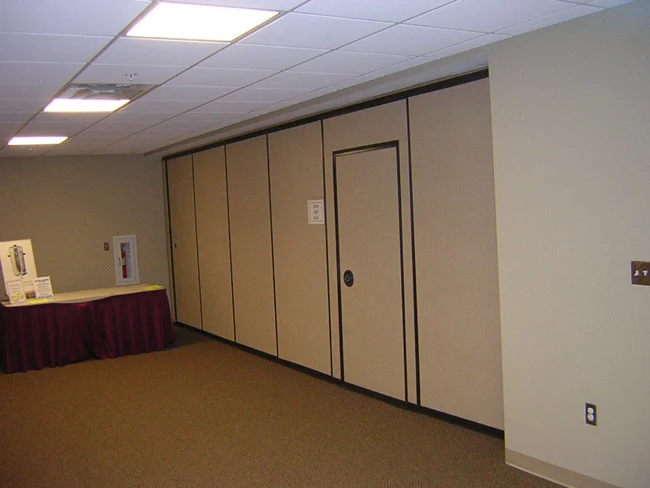
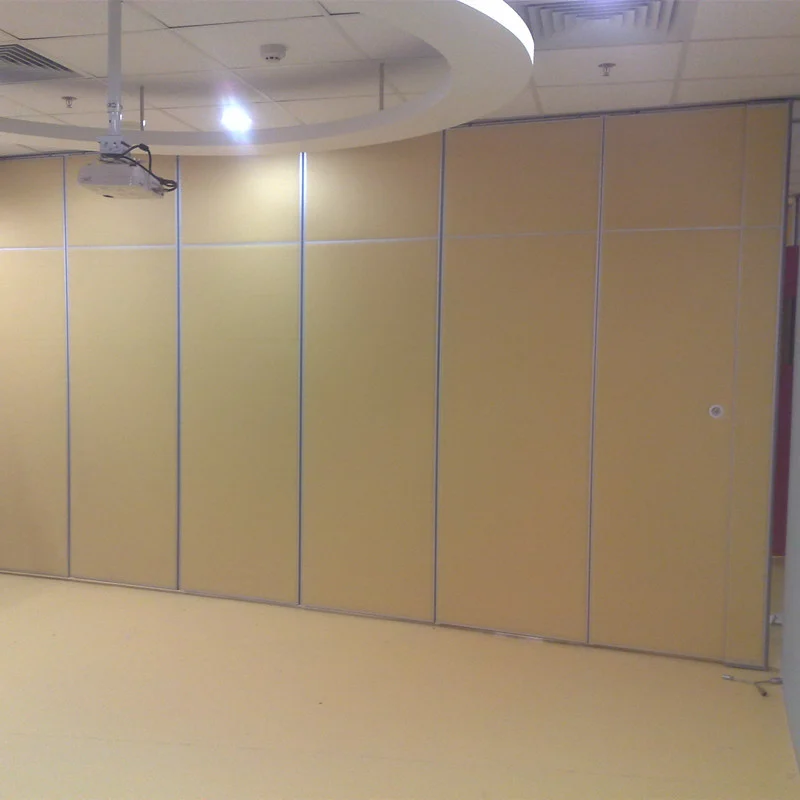
Movable partition panels are individually movable, suspended from a top track, cross the opening without a floor track, and park at a planned stacking position. Straight, turning and stacking routes are reviewed from the layout. The exact overhead route and support arrangement must be confirmed by the responsible project team from coordinated drawings.
Why a Sign-Off Sequence Matters More Than a Single Certificate
Project review term: movable partition wall.
A single handover certificate can hide gaps. If the track record, stacking record and panel record are accepted by different roles at different times, the project team can see exactly where custody sits. That visibility matters when a facility team later reconfigures a room, reviews a drawing, or plans a renovation.
The sequence also protects the contractor. When each record type has a named accepting role, disputes about missing information surface before operational control transfers, not after. The goal is a clean chain of custody, not a thicker document set.
Define the Record Types Before Anyone Signs
Coordination scope: movable partition wall.
Before the sign-off sequence begins, the project team should agree on the record types. The exact list depends on the project, but most movable partition closeouts include track and support records, stacking and parking records, panel and finish records, and the operational handover certificate.
Track and support records
These records describe the overhead route and the support conditions reviewed for the project. Because panels are top-hung and cross the opening without a floor track, the track record is central. It should reference the approved layout and the project-specific support review. The suitability of each route and parking arrangement depends on the approved layout, circulation, ceiling interfaces and operating sequence.
Stacking and parking records
Parking style is customized to the customer layout and project requirements and may support compact stacking when the coordinated design permits it. The stacking record should identify the planned parking position and the reviewed route to it. A proposed movement path requires a continuous connected overhead route and project-specific support review.
Panel and finish records
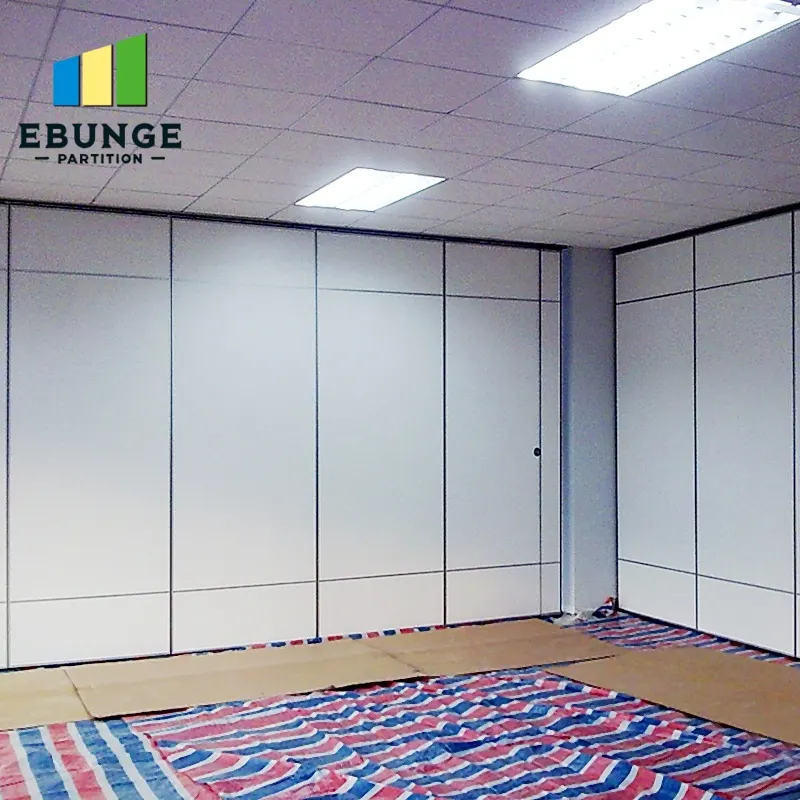
Confirmed finish options include laminate, melamine, fabric, leather, glass and other approved surfaces. The panel record should list the finishes actually supplied and any approved surface documentation.
A Practical Sign-Off Sequence for Closeout Records
Checklist focus: movable partition wall.
The sequence below is a coordination model.
- Record set assembly. The contractor compiles track, stacking, panel and finish records against the approved layout.
- Technical review. The design or engineering reviewer checks that each record references the correct drawing revision and the project-specific support review.
- Track and support custody. The nominated facility or building role accepts the track and support records.
- Stacking and parking custody. The facility role responsible for room reconfiguration accepts the stacking and parking records.
- Panel and finish custody. The owner or operator representative accepts the panel and finish records.
- Operational handover certificate. The final certificate is signed once the preceding records are accepted and operational control transfers.
Assigning Facility Roles to Each Record Type
Role assignment is project-specific. On some projects the building engineer accepts track records; on others the facility manager does. What matters is that each record type has one named accepting role and that the role understands what it is accepting.
| Record type | Typical accepting role | What the signature confirms |
|---|---|---|
| Track and support records | Building engineer or nominated facility role | Receipt of the reviewed overhead route and support documentation |
| Stacking and parking records | Facility manager or room operations lead | Receipt of the planned parking position and reviewed route |
| Panel and finish records | Owner or operator representative | Receipt of the supplied panel and finish schedule |
| Operational handover certificate | Facility owner or authorised signatory | Transfer of operational control after prior records are accepted |
The table is a coordination aid, not a contractual template. Confirm the actual role names and signature authority with the project team before the sequence begins.
Evidence Boundaries in the Handover Certificate
A handover certificate should describe what was handed over, not what the system will achieve.
Evidence note: a signed certificate confirms receipt of records. It does not confirm structural capacity, acoustic performance, cleaning compatibility or dimensional suitability unless those items have their own project-specific evidence.
Pass-door requirements and project documentation can be discussed with the supplier. Where a pass door is part of the scope, its record should sit alongside the panel record and be accepted by the same role that accepts the panel schedule.
Common Coordination Gaps Before Operational Control Transfers
Most closeout delays come from mismatched expectations, not missing hardware. The record set may reference an outdated layout revision. The stacking position may be described in one document and drawn differently in another. A finish may be listed without the approved surface documentation.
To reduce these gaps, hold a short record review before the final certificate is signed. Walk through each record type, confirm the accepting role, and note any open item. If an item cannot be closed, record it as an open point rather than implying it has been accepted.
Frequently Asked Questions
Who should sign the movable partition wall closeout record handover certificate?
The final certificate is normally signed by the facility owner or an authorised signatory after the preceding record types have been accepted. The exact signatory depends on the contract and should be confirmed with the project team.
Does the track record need to be accepted before the panel record?
The exact route, junction arrangement, continuous overhead path and parking position must be confirmed from the coordinated project drawings. However, the order can be adjusted if the project team agrees and the custody chain remains clear.
Can one person accept all record types?
Yes, if that person holds the relevant authority. The important point is that each record type has a named accepting role, even when one individual accepts several types.
What should the stacking and parking record contain?
It should identify the planned parking position and the reviewed route to it. Because parking style is customized to the layout and project requirements, the record should reference the approved layout rather than a generic description.
Does the handover certificate confirm acoustic performance?
No. A handover certificate confirms receipt of records.
How should finish records be handled?
List the finishes actually supplied, such as laminate, melamine, fabric, leather, glass or other approved surfaces.
Conclusion and Next Steps
A clear movable partition wall closeout record handover certificate sign-off sequence gives every record type a named accepting role before operational control transfers. Start by defining the record types, then agree the sequence, then confirm the signatory for each.
For product context, review the movable walls range and the project resources. To discuss pass-door requirements, project documentation or a closeout sequence for your layout, contact the EBUNGE team.