
Quick answer: movable partition wall closeout record
Review focus: movable partition wall closeout record.
A movable partition wall closeout record dependency map is a planning tool that links each handover submittal to the upstream trade decision it depends on. The suitability of each route and parking arrangement depends on the approved layout, circulation, ceiling interfaces and operating sequence. The exact overhead route and support arrangement must be confirmed by the responsible project team from coordinated drawings.
The map is not a substitute for project-specific drawings, support review or acoustic confirmation. It is a way to organize who confirms what, in which order, so that each record reflects a verified upstream condition rather than an assumption.
Why a dependency map matters for movable partition wall closeout
Project review term: movable partition wall closeout record.
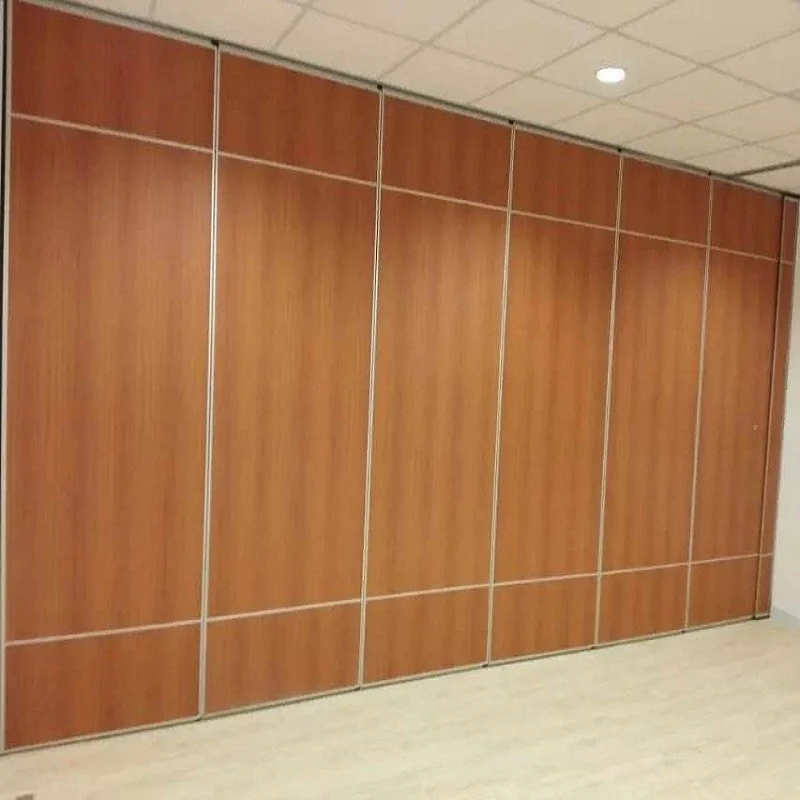
Movable partition panels are individually movable, suspended from a top track, cross the opening without a floor track, and park at a planned stacking position. The exact route, junction arrangement, continuous overhead path and parking position must be confirmed from the coordinated project drawings. If closeout records are issued out of order, later trades may inherit unresolved assumptions.
A dependency map makes those links visible. For broader planning context, see the EBUNGE resources page.
What the map does and does not do
It sequences submittals and identifies confirmation owners. Those require project-specific review and matching evidence.
Core dependency chain: track, stack and panel records
Coordination scope: movable partition wall closeout record.
The closeout sequence generally follows the physical dependency chain. Stack-related records depend on layout and adjacent trade coordination. Panel-related records depend on approved finishes and opening dimensions.
| Closeout record | Primary upstream dependency | Release condition |
|---|---|---|
| Track and support route record | Structural support review and continuous overhead route confirmation | Support route and turning or stacking path reviewed against project drawings |
| Stack and parking record | Layout coordination with adjacent walls, finishes and services | Parking position and clearance confirmed for the planned stacking arrangement |
| Panel and finish record | Approved finish selection and opening dimensional review | Finish option and panel dimensions confirmed for the specific opening |
| Pass-door record | Pass-door requirement and location confirmed | Pass-door requirement documented and coordinated with panel layout |
This table is a planning aid, not a specification. Each row must be adapted to the project’s own drawing set and trade responsibilities.
Sequencing submittals across trades
Checklist focus: movable partition wall closeout record.
Closeout submittals often fail because two trades assume the other has confirmed a shared condition. A dependency map assigns a confirmation owner to each upstream condition before the downstream record is released.
- Identify every closeout record required for the movable partition scope.
- For each record, list the upstream conditions that must be confirmed first.
- Set a release gate: the record cannot be issued until the owner confirms the condition in writing.
- Review the map at each trade coordination meeting and update it as drawings evolve.
Track-related dependencies
Track records depend on the overhead support route. Because panels are top-hung and cross the opening without a floor track, the route must be continuous and supported along the full travel and parking path. Any turning or stacking route should be reviewed from the layout.
Stack-related dependencies
Stack records depend on the planned parking position and its interaction with adjacent construction. Parking style is customized to the customer layout and project requirements and may support compact stacking when the coordinated design permits it. The closeout record should reflect the coordinated position, not an assumed one.
Panel-related dependencies
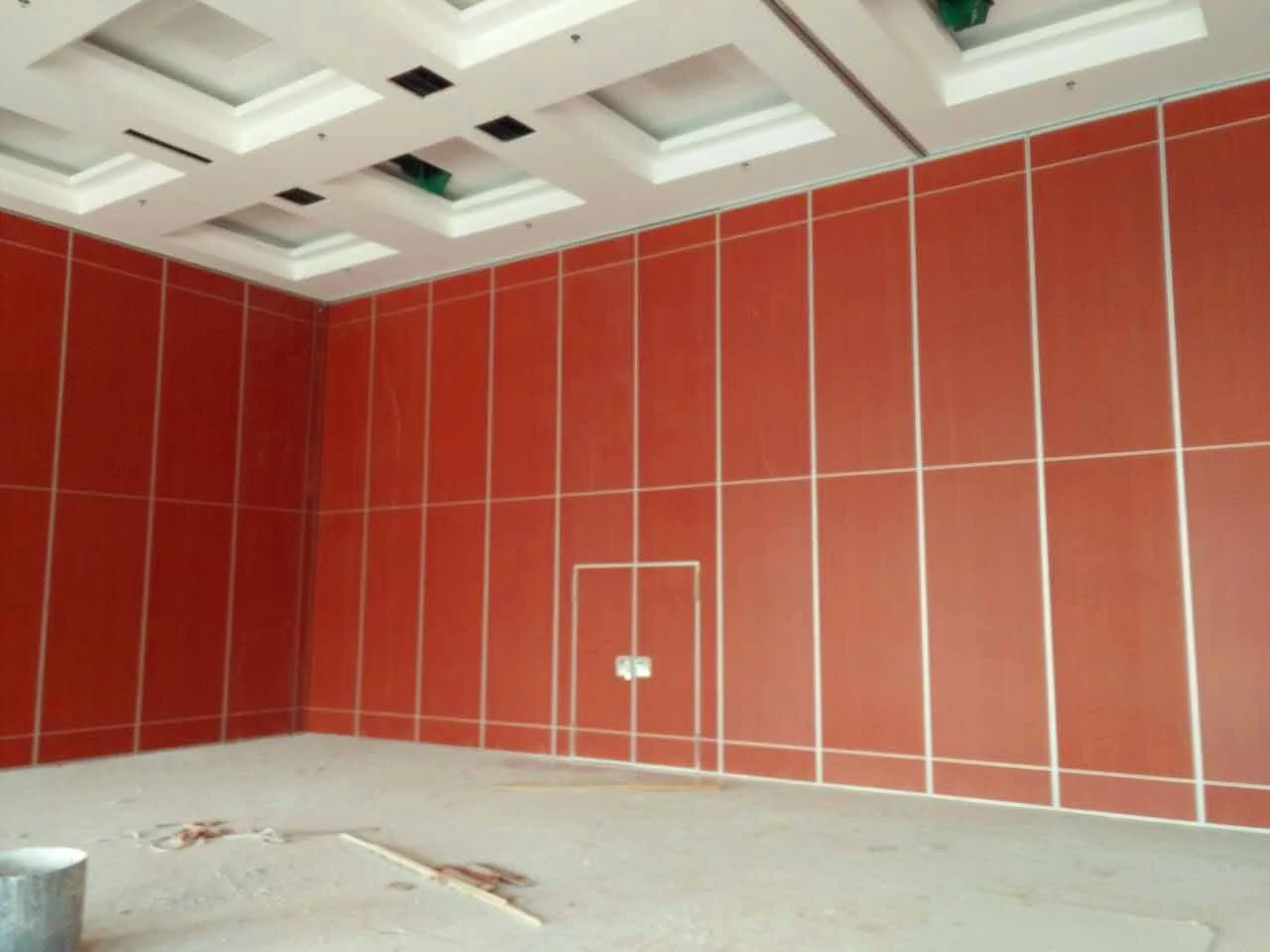
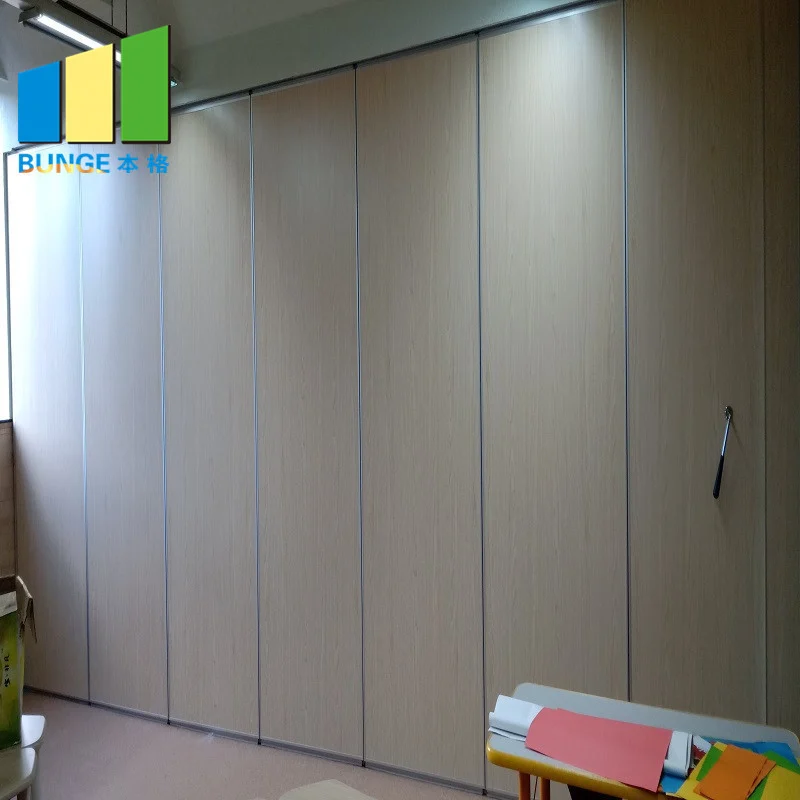
Panel records depend on approved finishes and opening dimensions. Confirmed finish options include laminate, melamine, fabric, leather, glass and other approved surfaces.
Evidence boundaries for closeout documentation
Closeout records should state what has been confirmed and what remains project-specific.
Evidence note: A finish approval confirms the surface selection only. Those require separate project-specific evidence.
Confirm acoustic requirements with the project’s acoustic consultant and the partition supplier.
Roles and responsibilities in the dependency map
Each dependency needs a named owner. Without ownership, release gates become informal and records may be issued prematurely.
- Architectural or interior design team: confirms layout, parking position, finish selection and opening dimensions.
- Partition supplier: provides product information, finish options and project documentation support.
- Main contractor: maintains the dependency map, tracks release gates and coordinates trade sign-offs.
- Owner or facility team: confirms operational requirements such as pass-door needs and stacking expectations.
Pass-door requirements and project documentation can be discussed with the supplier. The closeout record should reflect the confirmed requirement, not a default assumption.
Common sequencing mistakes and how to avoid them
Most closeout delays come from releasing a record before its upstream dependency is confirmed. Common examples include issuing a stack record before the parking position is coordinated, or issuing a panel finish record before the opening dimensions are reviewed.
Another mistake is treating a generic application example as evidence of a application reference. Named venues are examples only; movable partitions can be considered wherever flexible spatial division, combination or reconfiguration is required. The closeout record should describe the application reference condition.
Checklist before releasing any closeout record
- Is the upstream dependency identified and owned?
- Has the owner confirmed the condition in writing?
- Does the record reference the current drawing revision?
- Are performance claims limited to confirmed evidence?
- Is the record linked to the correct project location and opening?
FAQ: closeout record dependency planning
What is a movable partition wall closeout record dependency map?
It is a planning document that links each closeout submittal, such as track, stack or panel records, to the upstream trade condition that must be confirmed before the record is released.
Why should track records be released before stack records?
Track records depend on the overhead support route, which affects the full travel and parking path. Stack records depend on the parking position, which is downstream of the route review. Sequencing them in this order prevents unresolved support assumptions from carrying into the stack record.
Can a finish approval be used as acoustic evidence?
No. A finish approval confirms the surface selection only.
Who should own the dependency map?
Provide the current layout, opening dimensions, ceiling information, intended room use, and relevant project drawings for review. The exact overhead route and support arrangement must be confirmed by the responsible project team from coordinated drawings.
How often should the map be updated?
Review it at each trade coordination meeting and whenever drawings or layout decisions change. The map should reflect the current design, not an earlier assumption.
Does the map guarantee acoustic or structural performance?
No. It sequences documentation.
Conclusion: sequence records to reduce handover risk
A movable partition wall closeout record dependency map helps project teams release each submittal only after its upstream trade dependency is confirmed. By linking track, stack and panel records to their confirmation owners, teams can reduce the risk of unresolved assumptions appearing in the handover package.
To discuss project documentation, pass-door requirements or finish options for your movable partition scope, contact EBUNGE or review the movable wall product page.