
Quick answer: bill of quantities reconciliation
Review focus: bill of quantities reconciliation.
Movable partition wall bill of quantities reconciliation is the disciplined comparison of priced line items against written scope descriptions before a contract is awarded. For overseas contractors, architects, interior designers, owners and renovation teams, this step protects the project from omissions, duplications and unit mismatches that only become visible after signature. The goal is not to second-guess every rate, but to confirm that what is priced matches what is described, what is drawn and what the site can support.
This framework uses maintained EBUNGE product facts and visible evidence limits. The suitability of each route and parking arrangement depends on the approved layout, circulation, ceiling interfaces and operating sequence. Every recommendation below should be checked against the project-specific drawings, support conditions and documentation package.
Why reconcile the bill of quantities before award
Project review term: bill of quantities reconciliation.
A movable partition package often sits between several trades: ceiling, structure, finishes, electrical and door hardware. Panel handling and the operating sequence must be confirmed for the selected layout and project conditions. A reviewer who reconciles early can ask precise questions while the tender is still competitive.
Reconciliation also clarifies responsibility. If a line item says ‘partition system’ but the scope description excludes the top track, the parking area or the pass-door, the gap may be priced by nobody. Surfacing that gap before award is cheaper than resolving it during construction.
Start with the scope description, not the price column
Coordination scope: bill of quantities reconciliation.
Read the written scope first and mark every physical element it names. For a top-hung movable partition, the maintained facts confirm that panels are individually movable, suspended from a top track, cross the opening without a floor track, and park at a planned stacking position. The scope should therefore describe the overhead route, the opening, the stacking zone and any pass-door requirement.
Only after the scope is mapped should you open the priced bill. This order prevents the price column from framing what you expect to see.
Scope elements to locate in the description
- Panel quantity and the opening or elevation each panel serves.
- Top track and its continuous supported route across the opening and to the parking position.
- Straight, turning and stacking routes as reviewed from the layout.
- Parking position and any compact stacking arrangement coordinated with the design.
- Pass-door requirements and how they are described in the documentation.
- Finish options named in the specification, such as laminate, melamine, fabric, leather, glass or other approved surfaces.
Match units, quantities and descriptions line by line
Checklist focus: bill of quantities reconciliation.
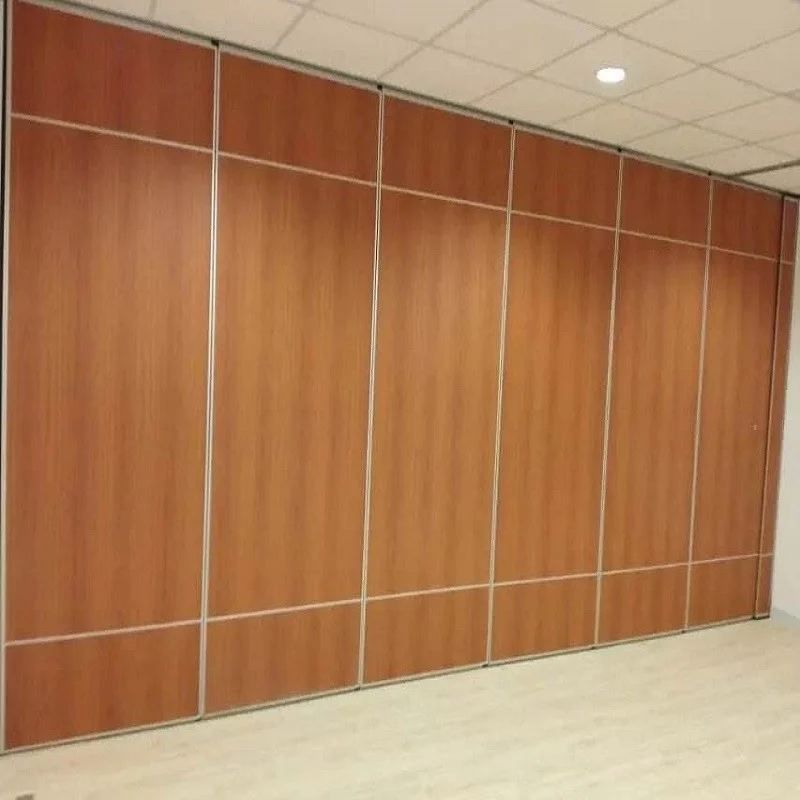
Unit mismatches are common in movable partition packages. A line item priced per square metre may sit beside a scope description written per panel. A track priced per linear metre may be described as a lump sum. Neither is automatically wrong, but the reviewer must confirm that the unit and the description refer to the same physical extent.
Build a simple reconciliation table with four columns: bill item, scope reference, unit basis and reviewer note. This makes omissions and duplications visible without rewriting the tender.
| Bill item | Scope reference | Unit basis | Reviewer note |
|---|---|---|---|
| Panel supply | Elevation drawing and finish schedule | Per panel or per area | Confirm quantity matches opening |
| Top track | Layout route and support drawing | Per linear metre or lump sum | Confirm continuous supported route |
| Parking zone | Stacking position on layout | Lump sum or per set | Confirm space and coordination |
| Pass-door | Door schedule and scope narrative | Per leaf or per set | Confirm inclusion and finish |
Check the movement route against the layout
Review focus: bill of quantities reconciliation.
The maintained product facts state that straight, turning and stacking routes are reviewed from the layout. A bill of quantities may price panels and track but say nothing about the route. If the layout shows a turn or a parking position that the bill does not describe, the reviewer should raise a query before award.
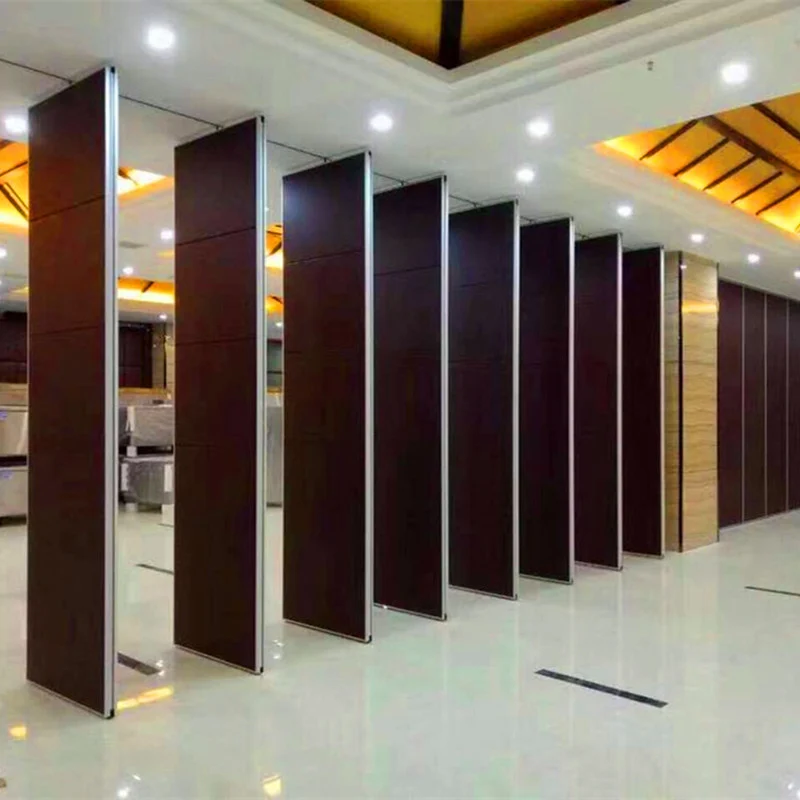
The exact route, junction arrangement, continuous overhead path and parking position must be confirmed from the coordinated project drawings. Every proposed movement path requires a continuous connected overhead route and project-specific support review. This is a scope question, not a performance claim.
Questions to ask about the route
- Does the scope description name every segment of the overhead route?
- Does the bill price the route as drawn, including turns and the parking approach?
- Is the parking position shown on the layout and reflected in the priced items?
- Has the structural support for the route been reviewed by the responsible engineer?
Separate confirmed finishes from assumed performance
Confirmed finish options include laminate, melamine, fabric, leather, glass and other approved surfaces. A finish line item should be reconciled against the finish schedule, not treated as evidence of acoustic, fire or durability performance.
If the specification mentions acoustic separation, the reviewer should confirm that the project-specific acoustic requirement is documented and that the scope description and bill item refer to the same requirement.
Document the reconciliation before award
Record every query, assumption and clarification in a single reconciliation log. Note which items are confirmed by the scope description, which are confirmed by the layout, and which remain open. This log becomes the basis for post-award change control.
Project documentation can be discussed with EBUNGE through the contact page. Reviewers can also consult the resources page for general planning context and the movable walls product page for maintained product facts.
Evidence note
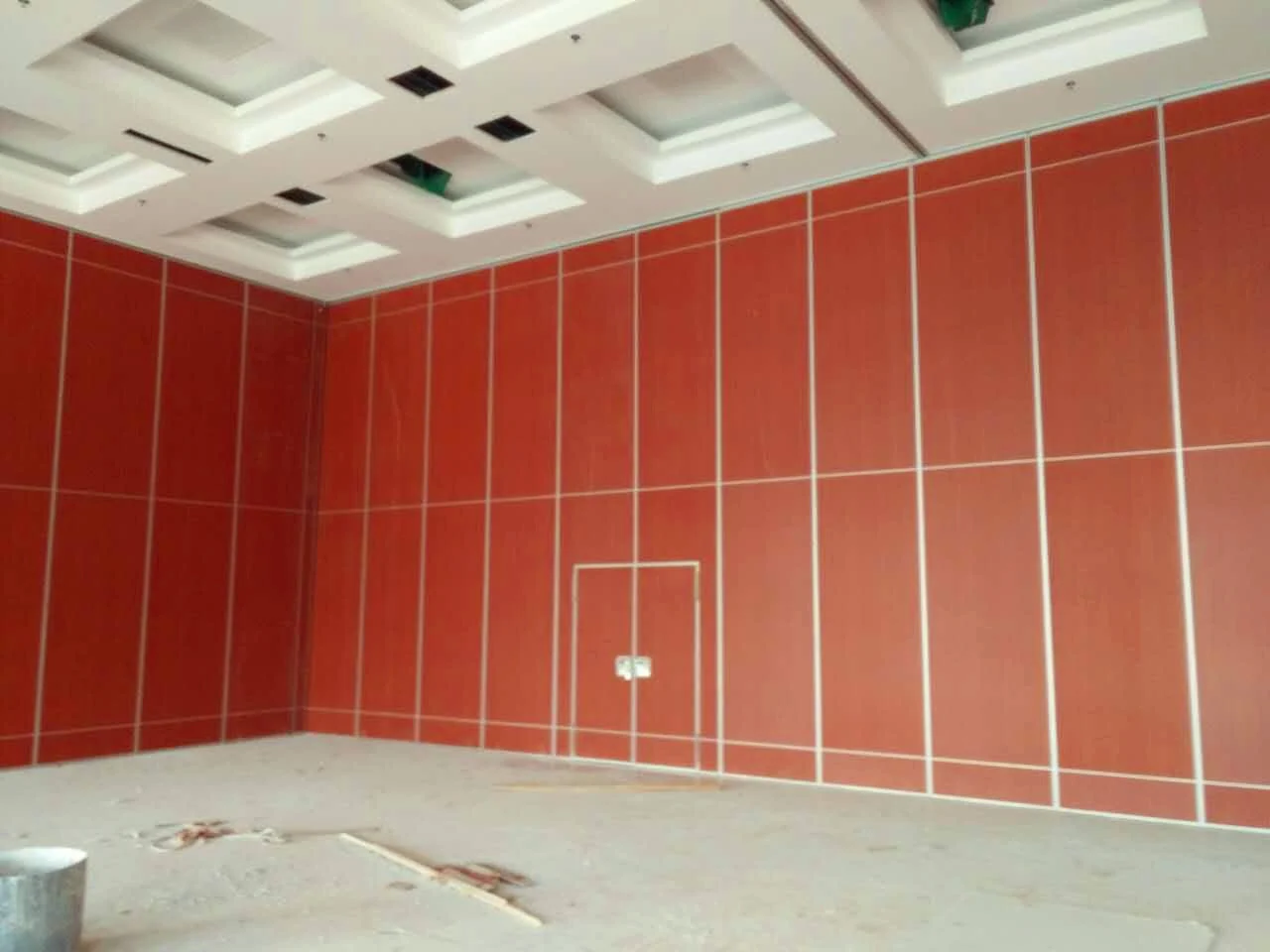
This framework relies on maintained EBUNGE product facts and the project’s own drawings and scope documents. It does not create performance, engineering or commercial conclusions. Confirm project-specific support, acoustic and dimensional requirements with the responsible parties before award.
Frequently asked questions
What is movable partition wall bill of quantities reconciliation?
It is the process of comparing each priced line item in a bill of quantities against the written scope description, drawings and layout for a movable partition package, so that omissions, duplications and unit mismatches are identified before award.
When should reconciliation happen in the tender process?
It should happen after scope descriptions and drawings are issued and before the contract is awarded. Early reconciliation allows queries to be raised while the tender is still open and before commitments are fixed.
What documents are needed for a reliable reconciliation?
Reviewers typically need the priced bill of quantities, the written scope description, layout drawings showing the opening and parking position, finish schedules, and any pass-door requirements. Project-specific support and acoustic requirements should be confirmed separately.
How do I handle unit mismatches between the bill and the scope?
List the bill item, the scope reference and the unit basis side by side. If the units describe different physical extents, raise a clarification request rather than converting the units yourself. The tenderer should confirm the intended basis.
Can a finish line item be used to confirm acoustic performance?
No. Confirmed finish options such as laminate, melamine, fabric, leather or glass describe surface appearance and material category. They are not evidence of acoustic, fire or durability performance. Acoustic requirements must be confirmed through project-specific documentation.
What should happen if the layout shows a turning route not priced in the bill?
Raise a query before award. The scope description and bill should both reflect the route reviewed from the layout. Every movement path requires a continuous connected overhead route and project-specific support review.
Conclusion and next step
Movable partition wall bill of quantities reconciliation is a practical safeguard for procurement reviewers. By reading the scope first, matching units and quantities line by line, checking the movement route against the layout, and separating confirmed finishes from assumed performance, you can surface gaps before award rather than after signature.
Confirm project-specific support, acoustic and dimensional requirements with the responsible design and engineering parties. To discuss pass-door requirements, project documentation or the next review step, contact EBUNGE.