
Quick answer: movable partition wall
Review focus: movable partition wall.
A movable partition wall bid tabulation is the working document that lets an overseas procurement team compare tender submissions on the same basis. Without it, bids that look similar on price can hide very different scopes. This guide sets out a practical framework for structuring the tabulation, spotting scope gaps and preparing questions before award. It stays within confirmed product facts and flags where project-specific confirmation is required.
Why a Bid Tabulation Is a Scope Tool, Not Just a Price Grid
Project review term: movable partition wall.
Most tender reviews begin with price. That is understandable, but price alone cannot show whether two bidders are offering the same package. A movable partition wall bid tabulation should line up scope items side by side so that differences become visible. The goal is not to rank bidders by a single number, but to understand what each submission includes, excludes and assumes.
For movable partitions, the package touches the layout, the overhead route, the parking position and the finish selection. Each of these can be described differently by different bidders. A tabulation that captures those descriptions in one place helps the evaluation team ask consistent questions.
Start With the Project Information That Drives the Tender
Coordination scope: movable partition wall.
Before opening bids, confirm the project information that every bidder should be pricing against. This is the reference point for the tabulation. If the reference is unclear, the comparison will be unreliable.
Layout and movement routes
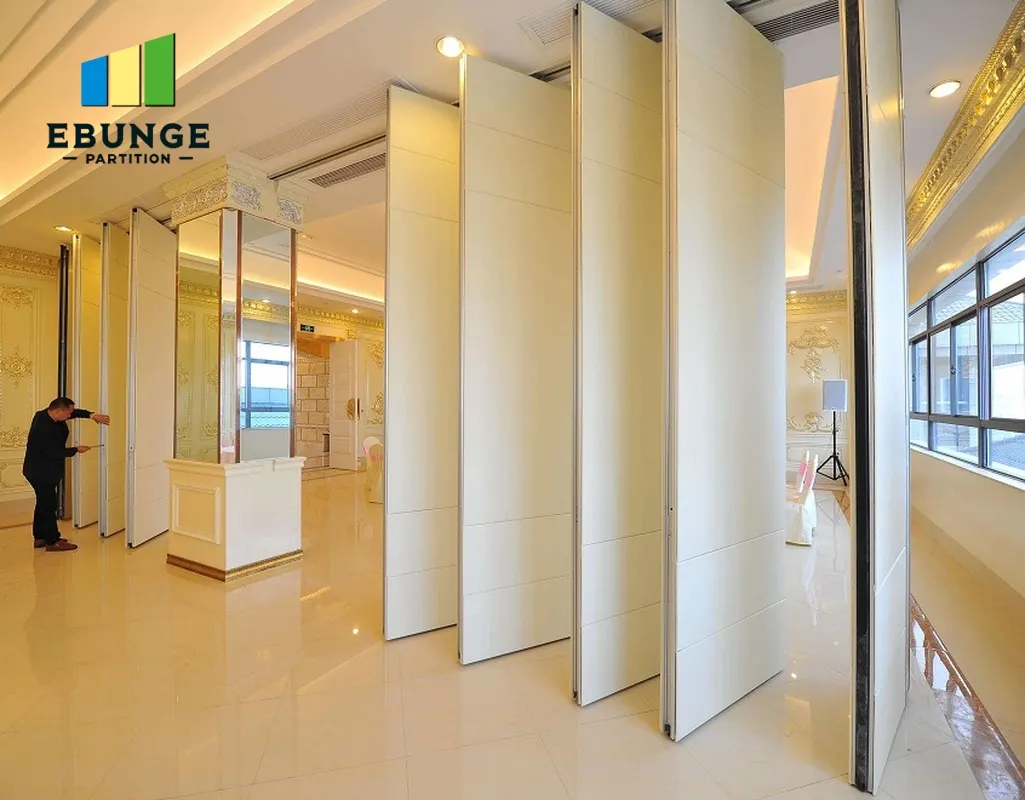
Movable wall panels are individually movable, suspended from a top track, and cross the opening without a floor track. They park at a planned stacking position. Straight, turning and stacking routes should be reviewed from the layout. Ask bidders to describe how they have interpreted those routes in their submission.
Finish and pass-door requirements
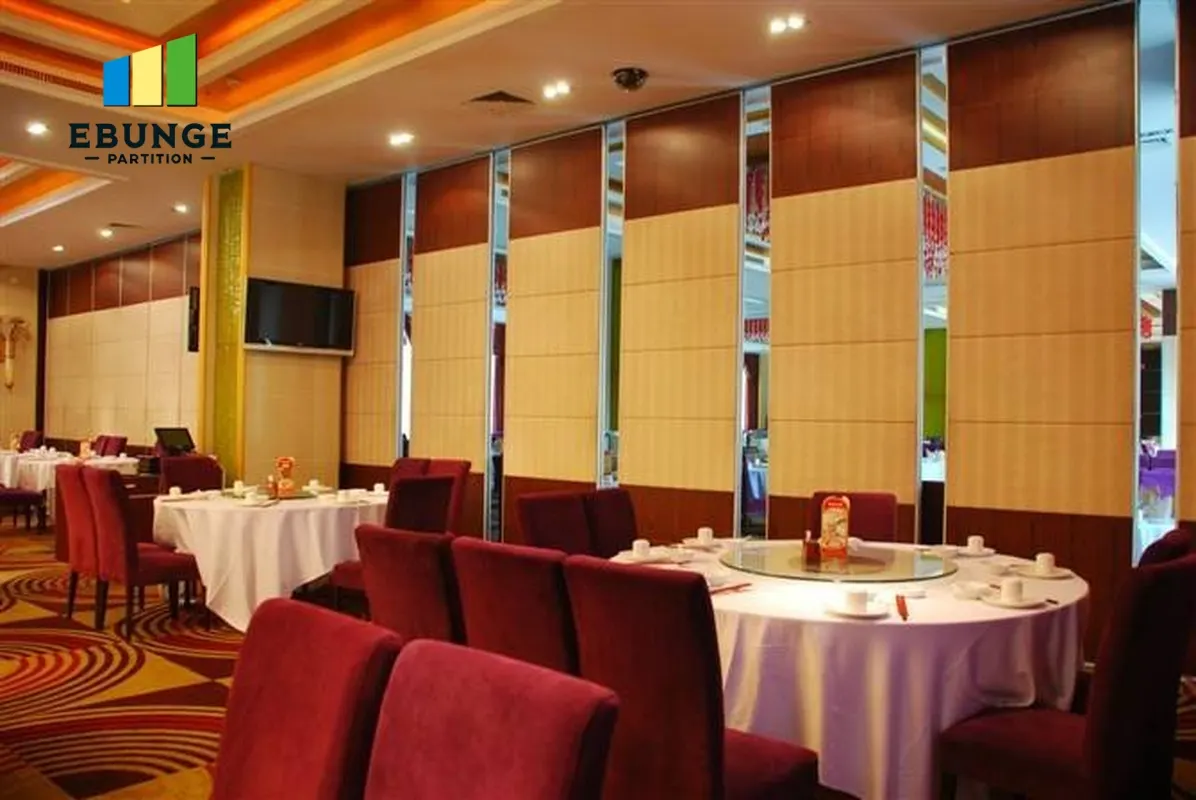
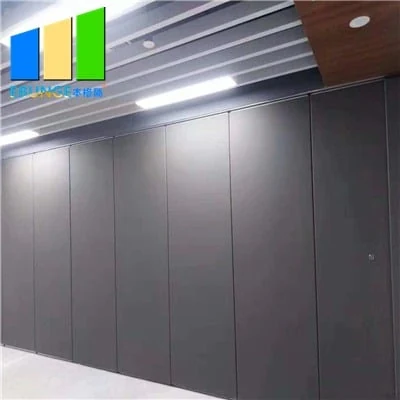
Confirmed finish options include laminate, melamine, fabric, leather, glass and other approved surfaces. Pass-door requirements and project documentation can be discussed. The tabulation should record which finishes and pass-door arrangements each bidder has allowed for, and note any assumptions.
Build the Tabulation Around Comparable Line Items
A useful tabulation uses the same line items for every bidder. This makes gaps visible and reduces the risk of comparing unlike packages. The exact line items depend on the project, but the structure below is a practical starting point.
| Line item | What to record | Evidence to request |
|---|---|---|
| Layout interpretation | Straight, turning and stacking routes as understood | Marked-up layout or written route description |
| Track and support | Overhead route and support assumptions | Project-specific support review note |
| Panel movement | Individual panel movement and parking position | Description of parking arrangement |
| Finish selection | Finish type and approved surface | Finish schedule or sample reference |
| Pass doors | Pass-door requirement and location | Door schedule or written allowance |
| Documentation | Drawings, schedules and coordination documents | Document list with revision status |
Keep the table factual. Do not fill gaps with assumptions about performance, structure or commercial outcomes. If a bidder has not stated something, record it as an open item.
Identify Scope Gaps Before They Become Variations
Scope gaps are the differences between what the tender asked for and what a bidder has allowed. They are common in movable partition packages because the interface between the partition and the surrounding building is often split across trades.
Common gap areas
- Overhead route and support assumptions not stated in the bid.
- Parking position not coordinated with the layout.
- Finish selection described generically rather than by approved surface.
- Pass-door requirements omitted or left as an allowance.
- Documentation scope unclear, including revision control.
For each gap, decide whether it is a clarification, a missing allowance or a genuine exclusion. Then ask the bidder to confirm in writing. The suitability of each route and parking arrangement depends on the approved layout, circulation, ceiling interfaces and operating sequence.
Use an Evidence Note to Keep Claims in Check
The exact overhead route and support arrangement must be confirmed by the responsible project team from coordinated drawings. Do not infer performance from a finish, a drawing or a photograph.
This note matters because tender documents often contain performance language that bidders may repeat without project-specific confirmation. The tabulation should separate stated requirements from confirmed project data.
Run a Structured Review Meeting Before Award
A tabulation is most useful when it drives a review conversation. Use a short, repeatable process.
- Confirm the project reference information is complete and current.
- Check that every bidder has priced the same line items.
- Mark each gap as clarification, missing allowance or exclusion.
- Send consistent questions to all bidders and record answers in the tabulation.
- Confirm project-specific support, acoustic and dimensional requirements before award.
That visibility is what allows an informed award decision.
Coordinate Across Disciplines and Documentation
Movable partition packages sit between architecture, structure and services. The tabulation should record who is responsible for each interface. Where responsibility is unclear, note it as an open item rather than assuming it is included.
Documentation should be listed with revision status. If a bidder references drawings that are not current, that is a scope gap to resolve. The resources page can support general planning questions, while the movable walls product page provides maintained product context.
Frequently Asked Questions
What is a movable partition wall bid tabulation?
It is a comparison document that lines up tender submissions on the same scope items so that differences, gaps and assumptions become visible before award.
Which project information is needed before comparing bids?
Layout and movement routes, finish and pass-door requirements, and the documentation expected from each bidder. Project-specific support, acoustic and dimensional requirements should also be confirmed.
How do I spot scope gaps in movable partition tenders?
Compare each bid against the same line items. Look for unstated overhead route assumptions, uncoordinated parking positions, generic finish descriptions, omitted pass doors and unclear documentation scope.
Can I compare acoustic performance from the tabulation alone?
No. Acoustic requirements must be confirmed for the specific project with matching evidence.
Do movable partitions need a floor track?
EBUNGE movable partition panels are top-hung and move without a continuous floor running track or floor hardware along the partition line. The exact route, junction arrangement, continuous overhead path and parking position must be confirmed from the coordinated project drawings.
When should the tabulation be finalised?
Before award. Use it to issue consistent clarification questions, record answers and confirm that remaining open items are understood by all parties.
Conclusion and Next Step
A movable partition wall bid tabulation is a practical tool for overseas procurement teams. It turns a price comparison into a scope comparison, exposes gaps early and keeps the evaluation grounded in project-specific confirmation. Start with a clear project reference, use consistent line items, record evidence and resolve open items before award.
To discuss pass-door requirements, project documentation or layout review for your tender, contact the EBUNGE team. Confirm project-specific support, acoustic and dimensional requirements with your project team before finalising any award.