
Quick project answer
Review focus: movable partition wall.
Movable partition wall bid clarification minutes are the written record that turns a tender conversation into an auditable procurement document. For overseas contractors, architects, interior designers, owners and renovation teams, the minutes should capture what was asked, what was confirmed, and what still requires project-specific review. This framework helps you keep that record clean, evidence-bounded and useful long after the meeting ends.
Why Bid Clarification Minutes Matter for Movable Partition Packages
Project review term: movable partition wall.
A movable partition package touches architecture, structure, finishes, acoustics and operations. A verbal answer in a tender meeting can be remembered differently by each party. Minutes create one shared reference point.
They also protect the project from accidental assumptions. The suitability of each route and parking arrangement depends on the approved layout, circulation, ceiling interfaces and operating sequence. Minutes should state the boundary clearly: confirmed, to be confirmed, or requiring project-specific documentation.
What the Minutes Are Not
They are a record of the clarification process. Treat them as a control document that points to the evidence, not as the evidence itself.
Core Product Facts to Record Accurately
Coordination scope: movable partition wall.
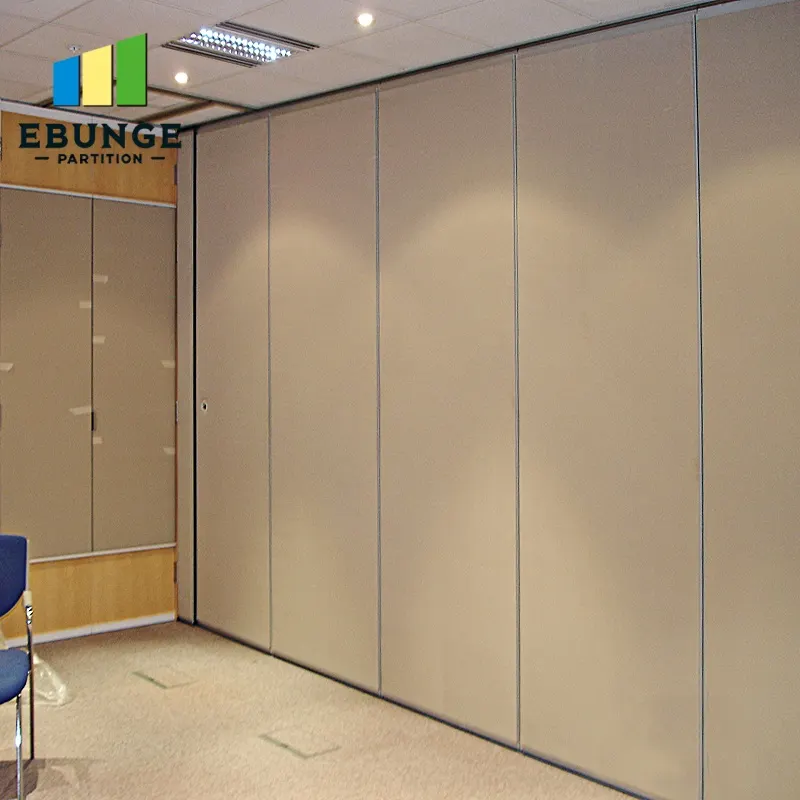
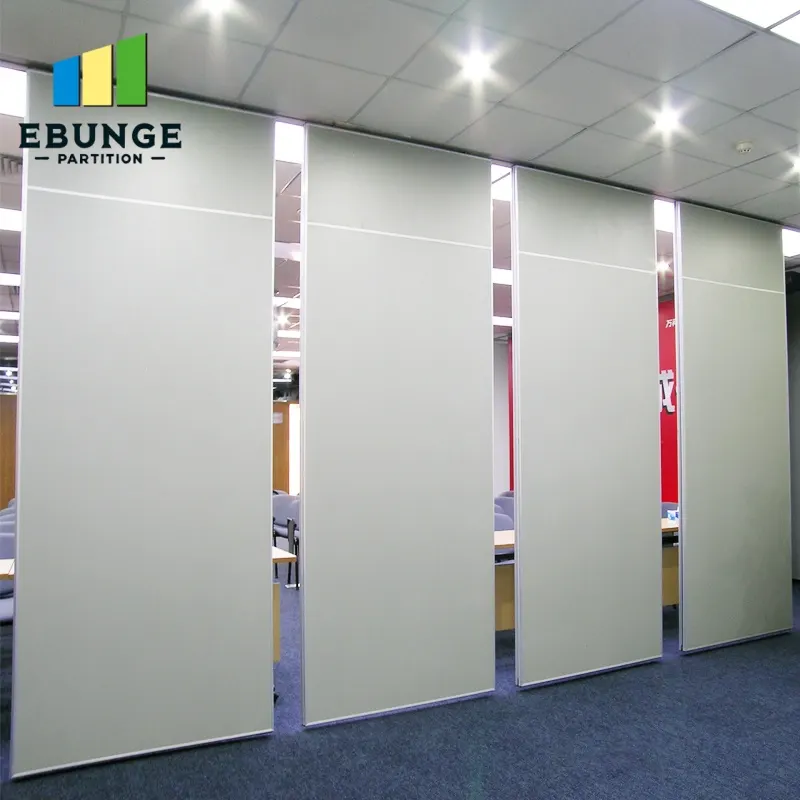
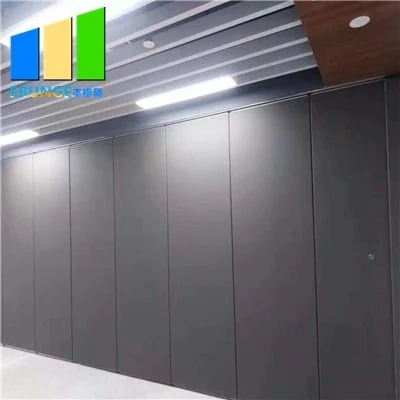
EBUNGE movable wall panels are individually movable, suspended from a top track, cross the opening without a floor track, and park at a planned stacking position. Straight, turning and stacking routes are reviewed from the layout. These maintained facts should appear in the minutes only in the form confirmed for the project.
Finish options include laminate, melamine, fabric, leather, glass and other approved surfaces. Pass-door requirements and project documentation can be discussed. Do not let the minutes convert a finish option into a performance claim.
Evidence Note: Keep Claims Inside Their Boundary
Record only what has been confirmed for the project. If a statement depends on drawings, structural review or acoustic design, mark it as pending and name the responsible party.
A Numbered Process for Running the Clarification Meeting
- Circulate the agenda in advance. List the layout, movement routes, finish schedule, pass-door needs and documentation expectations.
- Confirm the movement concept. Walk through straight, turning and stacking routes against the current layout.
- Separate confirmed facts from open items. Use a two-column record so nothing is lost in discussion.
- Assign owners and dates. Every open item needs a named party and a review date.
- Read back the decisions. Before closing, read the confirmed and pending lists aloud.
- Issue the minutes promptly. Distribute to all attendees and invite written corrections within a stated period.
Decision Checklist for the Minutes Template
Use this checklist to keep each clarification record complete without inventing conclusions.
- Project name, meeting date, attendees and roles.
- Drawing revision numbers referenced during the discussion.
- Confirmed movement routes: straight, turning and stacking.
- Parking position and any layout constraints noted for review.
- Finish options discussed, with samples or approvals referenced.
- Pass-door requirements and responsible party.
- Open items, owners and due dates.
- Documentation still required before order release.
How to Write Clear, Defensible Minutes
Write in short, factual sentences. Attribute statements to the party that made them. Avoid adjectives that imply performance, such as silent, guaranteed or permanent, unless the project has matching evidence.
When a topic is unresolved, say so plainly. For example: “Stacking position to be confirmed against revised layout.” This is more useful than a vague note that suggests agreement.
Handling Finish and Pass-Door Topics
Record the finish option discussed and the approval route. For pass doors, record the requirement, the responsible party and the documentation needed.
Common Record-Keeping Mistakes to Avoid
| Mistake | Why It Causes Problems | Better Practice |
|---|---|---|
| Recording opinions as decisions | Creates false certainty | Label confirmed vs. pending |
| Omitting drawing revisions | Breaks traceability | Reference revision numbers |
| Leaving owners unnamed | Open items stall | Assign a party and date |
| Treating a finish as performance evidence | Leads to unsupported assumptions | Keep finish and performance separate |
Coordinating Across Disciplines
Architects check layout and finish intent. Contractors check route and support review. Owners check operational needs. Distributors check documentation completeness.
Minutes should show where each discipline must confirm. This prevents one party from silently carrying an assumption that belongs to another.
Questions to Route Back to the Project Team
If the meeting cannot confirm a point, the minutes should route it back with a clear question. Examples include: Which drawing revision governs the stacking route? Who confirms the support review? Which finish approvals are still outstanding?
FAQ: Movable Partition Wall Bid Clarification Minutes
What should be included in movable partition wall bid clarification minutes?
Include attendees, drawing revisions, confirmed movement routes, finish options discussed, pass-door requirements, acoustic topics raised, open items, owners and due dates. Keep confirmed facts separate from pending reviews.
Can the minutes confirm acoustic performance?
No. Record the discussion and the documentation still required.
How should finish options be recorded?
Record the finish option discussed and the approval route.
What if the stacking route is unresolved?
Mark it as pending and name the party responsible for confirming it against the current layout. Do not assume a route works until it has been reviewed.
Who should receive the minutes?
All attendees and any party named as an owner of an open item. Distribution should invite written corrections within a stated period so the record stays accurate.
Do minutes replace project documentation?
No. They are a control record that points to drawings, approvals and reviews. The exact route, junction arrangement, continuous overhead path and parking position must be confirmed from the coordinated project drawings.
Conclusion and Next Steps
Good movable partition wall bid clarification minutes do not create certainty where none exists. They make uncertainty visible, assign it to the right party, and keep the procurement record traceable.
To discuss pass-door requirements, finish options or project documentation for your movable partition package, contact the EBUNGE team. You can also review the movable wall product range and the project resources before your next clarification meeting.