
Quick project answer
Review focus: bid clarification meeting records.
Movable partition wall bid clarification meeting records are the written trail that shows how a tender moved from a drawing set to a coordinated scope. For overseas contractors, architects, interior designers, owners and distributors, the record is not a formality. It is the place where assumptions about routes, parking, finishes and documentation are either confirmed or flagged as open. This framework helps project teams build that trail without turning a meeting note into an unsupported performance claim.
Use the record to separate what is known from what still needs project-specific confirmation. The goal is traceability, not persuasion.
Why Bid Clarification Records Matter for Movable Partition Packages
Project review term: bid clarification meeting records.
A movable partition package touches architecture, structure, finishes and operations. The suitability of each route and parking arrangement depends on the approved layout, circulation, ceiling interfaces and operating sequence. The clarification record captures those decisions while the people who made them are still in the room.
For procurement teams, the record also protects the evaluation process. It shows that every bidder answered the same questions and that departures were noted rather than hidden. That is especially important when the package is part of a wider fit-out or renovation contract.
What the record is not
It is not a warranty, a certification or a promise of performance. Treat it as a controlled log of scope and open items.
Core Scope Items to Capture in Every Clarification Record
Coordination scope: bid clarification meeting records.
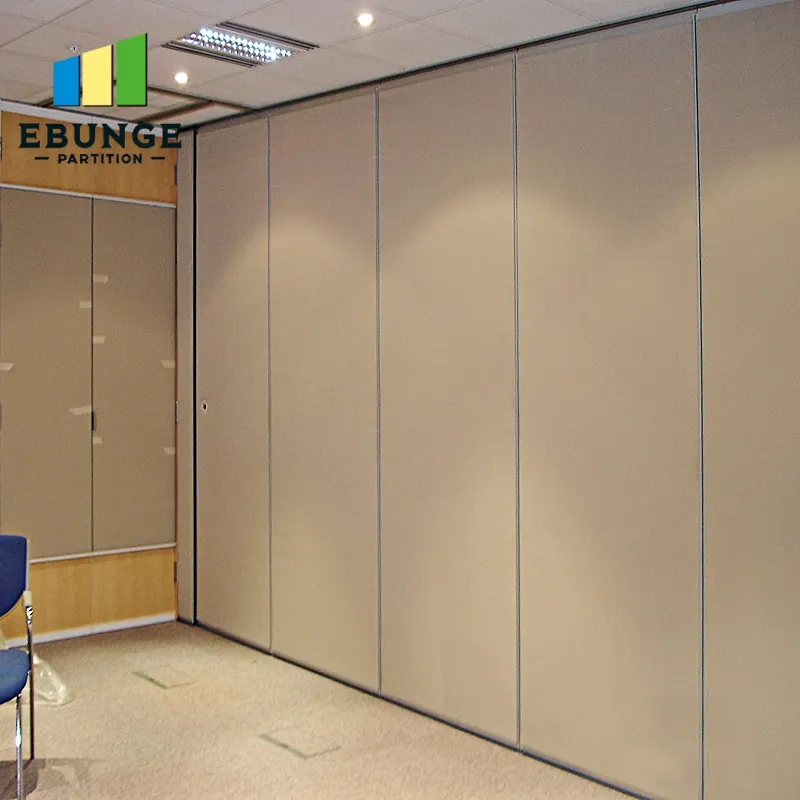
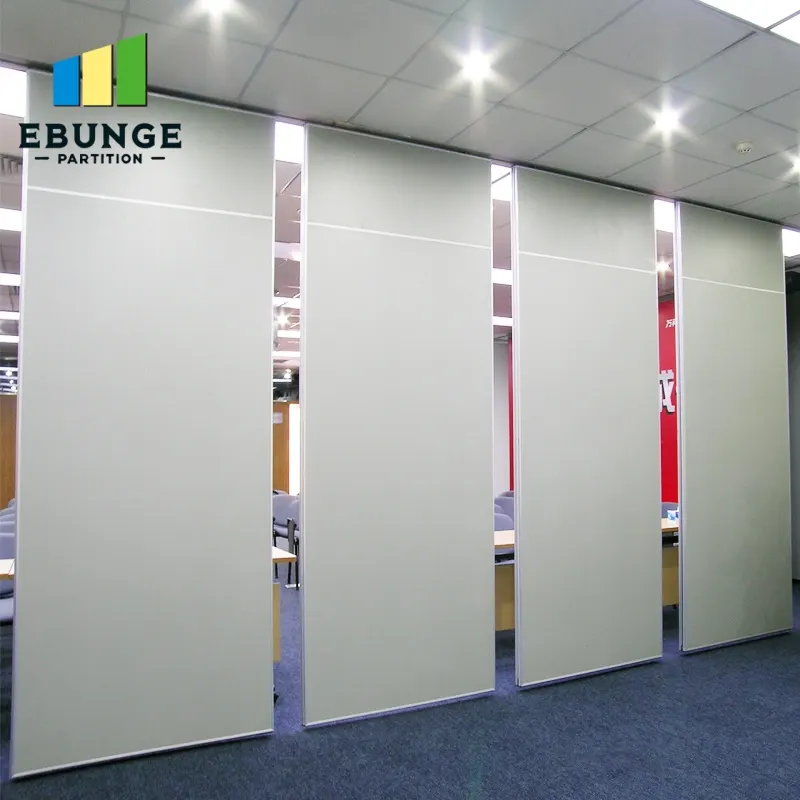
Start with the physical arrangement. EBUNGE movable wall panels are individually movable, suspended from a top track, cross the opening without a floor track, and park at a planned stacking position. The record should state the intended opening, the parking location and the route between them.
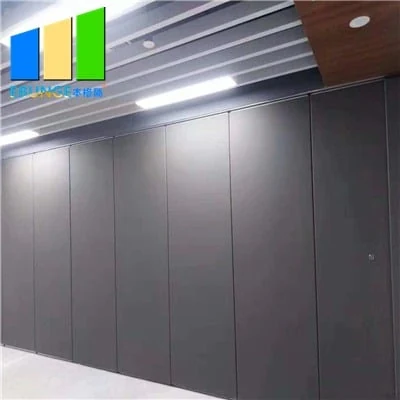
Then capture the finish direction. Confirmed finish options include laminate, melamine, fabric, leather, glass and other approved surfaces. The record should note which finish family is being priced and whether samples or approvals are still outstanding.
Finally, capture pass-door requirements and project documentation needs. These can be discussed with the supplier, but the record should show who asked, what was answered and what remains open.
Decision checklist for the chair
- Opening dimensions and clear width as drawn.
- Parking position and stacking arrangement shown on the layout.
- Straight, turning and stacking routes reviewed from the layout.
- Finish family and any sample approval status.
- Pass-door requirement, if any, and its location.
- Documentation requested and the agreed response route.
- Open items with an owner and a due date.
Route Review: Straight, Turning and Stacking Paths
Checklist focus: bid clarification meeting records.
Routes are a common source of misunderstanding. A panel may need to travel along a straight run, turn a corner or move into a stacking area. Each of these paths must be reviewed from the layout, because the overhead route must be continuous and connected for the movement to be considered.
The exact route, junction arrangement, continuous overhead path and parking position must be confirmed from the coordinated project drawings. If the drawing shows a break in the route, the record should mark it as an open item requiring project-specific support review. This is a scope question, not a performance question.
Evidence note
Record what the drawing shows and what the supplier confirms. Do not infer structural capacity, acoustic performance or installation method from a route sketch alone. Those items require matching project evidence.
Acoustic and Sealing Concepts: Keep the Language Conceptual
Review focus: bid clarification meeting records.
A clarification record should avoid reducing acoustic intent to a single number unless the project has matching test evidence.
Seals and acoustic concepts can be discussed generically: the goal is to limit air paths and maintain continuity where the system meets the structure. The specific seal type, panel construction and tested result must be confirmed for the project. Never promise soundproofing.
Questions that keep acoustic claims bounded
- What acoustic intent is stated in the project specification?
- Which test evidence, if any, is being referenced?
- Which junctions and interfaces are included in that evidence?
- What remains to be confirmed by the project team?
Building the Audit Trail: Format, Version and Distribution
Project review term: bid clarification meeting records.
A useful record has a date, a version number, a list of attendees and a clear distinction between decisions, clarifications and open items. Each item should have an owner and a due date. If a bidder gives a verbal answer, the chair should read it back and confirm it in the minutes.
Distribute the draft to attendees before issuing the final version. That gives bidders a chance to correct factual errors without reopening commercial discussions. Keep superseded versions in the file so the evaluation trail remains complete.
Compact comparison of record types
| Record type | Best used for | Limitation |
|---|---|---|
| Clarification minutes | Scope, routes, finishes, open items | Not a performance certificate |
| Drawing markup | Showing parking and route changes | Needs a written note to explain intent |
| Question-and-answer log | Tracking bidder queries consistently | Does not replace the minutes |
Coordinating Procurement and Tender Review Across Teams
The record owner keeps the log current. The technical reviewer checks that route, finish and documentation statements match the drawings.
Architects and interior designers should confirm finish intent and interface conditions. Contractors should confirm access and sequence assumptions. Owners should confirm operational expectations. Distributors should confirm what they can support and what needs factory or project confirmation.
Where a point cannot be confirmed, write it as an open item. That is more useful than a confident sentence that later proves wrong.
FAQ: Movable Partition Wall Bid Clarification Meeting Records
What should a bid clarification record contain for a movable partition package?
It should contain the date, version, attendees, scope items, route and parking notes, finish direction, pass-door requirements, documentation requests and a list of open items with owners and due dates.
Can the record confirm acoustic performance?
No. The record can state the acoustic intent and note which evidence is being referenced, but it should not convert that into a promise.
How should route changes be documented?
Mark the change on the layout and add a written note explaining the new straight, turning or stacking path. Confirm that the overhead route remains continuous and connected.
Who should sign or approve the final record?
The chair should issue it, and the project team should confirm it through its normal approval route. The record should show who confirmed each item and who still has an open action.
Does a clarification record replace the specification?
No. It supports the specification by recording how questions were answered. The specification and drawings remain the controlling documents unless the project formally amends them.
When should the record be issued?
Issue a draft promptly after the meeting, allow factual corrections, then issue the final version before bid evaluation closes. Keep earlier versions in the file.
Conclusion: A Record That Supports Better Decisions
It makes the unknowns visible.
Confirm project-specific support, acoustic and dimensional requirements before relying on any statement in a bid clarification record. For product context, review the movable wall systems and the wider project resources. To discuss pass-door requirements and project documentation, contact the EBUNGE team.