
Quick answer: movable partition wall
Review focus: movable partition wall.
Movable partition wall addendum acknowledgment verification is the procurement step that confirms every bidder has received, acknowledged, and incorporated each tender addendum affecting the movable partition scope before the submission deadline. When a tender package includes top-hung, individually movable panels that cross an opening without a floor track and park at a planned stacking position, even a small addendum can change the layout review, the finish schedule, or the pass-door requirement. This framework helps overseas contractors, architects, owners, and renovation teams build a defensible acknowledgment trail without inventing performance, engineering, or commercial conclusions.
Why Addendum Acknowledgment Matters for Movable Partition Packages
Project review term: movable partition wall.
Movable partition packages are layout-sensitive. The straight, turning, and stacking routes are reviewed from the project layout, and the parking position is coordinated with the surrounding space. If an addendum changes a room boundary, a stacking location, or a finish selection, bidders who missed that change may price a different scope than the one the design team intends to award.
Acknowledgment verification is not a substitute for technical review. It is a control that keeps the bid comparison honest. The reviewer confirms that each bidder saw the same revised information and that the bid submission reflects it.
Define the Addendum Register Before Bids Are Invited
Coordination scope: movable partition wall.
Start with a single register that lists every addendum by number, issue date, subject, and the specific tender sections it affects. For movable partition scope, map each addendum to the relevant drawing, specification clause, finish schedule, or pass-door requirement. This register becomes the reference for receipt and acknowledgment checks.
What the register should capture
- Addendum number and issue date
- Affected tender section or drawing reference
- Whether the change touches layout, finish, pass-door, or documentation
- Required bidder response: acknowledgment only, or revised pricing
- Deadline for acknowledgment and any bidder questions
Keep the register factual. Do not record assumptions about what a bidder should have inferred. The register documents what was issued and what response is required.
A Step-by-Step Receipt Verification Process
Use a repeatable sequence so that no bidder is treated differently and no addendum is overlooked. The process below is a review method, not a claim about any specific project outcome.
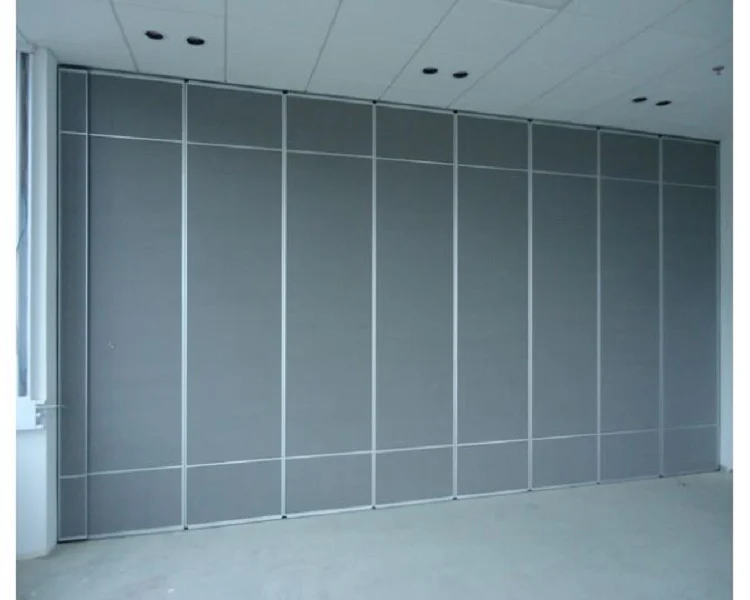
- Issue each addendum through the same controlled channel used for the original tender.
- Log the issue date, recipient, and delivery method in the addendum register.
- Request a written acknowledgment that names the addendum number and confirms receipt.
- Ask bidders to confirm whether the addendum changes their proposed scope, finish, or pass-door approach.
- Compare each acknowledgment against the register and flag missing or ambiguous responses.
- Close out open items before the submission deadline and record the resolution.
This sequence creates a visible trail. It also gives the reviewer a clear basis for asking a bidder to clarify a submission that appears to ignore an addendum.
Evidence Boundaries: What Acknowledgment Does and Does Not Prove
A signed acknowledgment proves receipt and awareness. It does not prove that the bidder has correctly interpreted the technical implications for the movable partition system. The suitability of each route and parking arrangement depends on the approved layout, circulation, ceiling interfaces and operating sequence.
An acknowledgment record is evidence of communication. It is not evidence of acoustic performance, structural capacity, or code compliance. Those items require separate project-specific confirmation.
Confirm project-specific acoustic requirements with the responsible design professional.
Comparing Bidder Responses Without Inventing Conclusions
After acknowledgments are collected, review each bid submission against the addendum register. A compact comparison can help the reviewer see which bidders addressed the change and which did not.
| Review point | What to check | Action if unclear |
|---|---|---|
| Receipt | Written acknowledgment names the addendum number | Request a corrected acknowledgment |
| Scope impact | Bidder states whether layout, finish, or pass-door scope changed | Ask for a written clarification |
| Pricing impact | Bidder confirms whether the price reflects the addendum | Request a revised bid or a statement of no change |
| Documentation | Bidder confirms which drawings or schedules were used | Confirm the current issue set |

This table is a review aid. It does not establish that a bid is complete or compliant. Final judgment remains with the procurement team and the responsible technical reviewers.
Coordinating With Design and Operations Teams
The design team can confirm whether an addendum changes the straight, turning, or stacking route. Operations can confirm whether a revised parking position affects daily use. Procurement can then ask bidders for targeted clarifications rather than broad re-submissions.
For finish-related addenda, confirm that the revised selection is among the approved surfaces for the project. Confirmed finish options include laminate, melamine, fabric, leather, glass, and other approved surfaces.
Common Gaps in Addendum Acknowledgment Verification
Reviewers often find the same gaps across tender packages. Recognizing them early reduces last-minute confusion.
Frequent issues to check
- Acknowledgment received but no statement on scope or pricing impact
- Addendum issued to some bidders but not all
- Addendum referenced in a bid without a matching acknowledgment record
- Revised drawing issued without a revised specification clause
- Pass-door requirement changed verbally but not documented
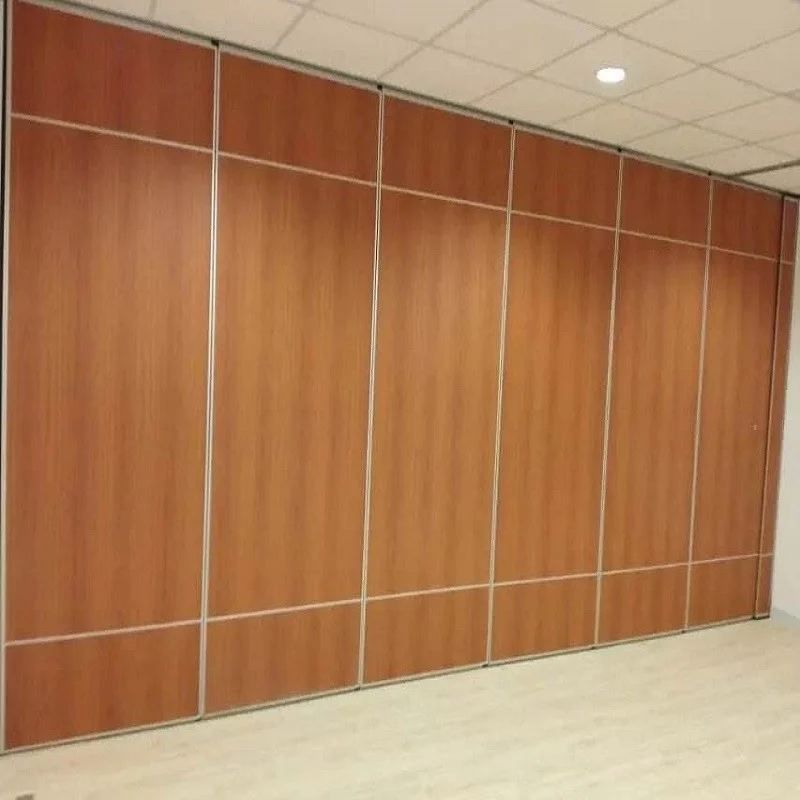
Each gap should be closed with a written record. Verbal confirmations are difficult to audit and should be followed by a written acknowledgment.
Frequently Asked Questions
What is movable partition wall addendum acknowledgment verification?
It is the procurement process of confirming that each bidder received, acknowledged, and incorporated every tender addendum that affects the movable partition wall scope before bid submission.
Does an acknowledgment prove the bidder understood the technical change?
No. It proves receipt and awareness.
How should acoustic addenda be handled?
Provide the current layout, opening dimensions, ceiling information, intended room use, and relevant project drawings for review. The exact overhead route and support arrangement must be confirmed by the responsible project team from coordinated drawings.
What if a bidder does not return an acknowledgment?
Record the missing response, follow up through the controlled tender channel, and document the outcome. The procurement team should decide whether the bid can be considered without a complete acknowledgment record.
Can a finish change be confirmed from a sample alone?
No. Confirm the approved surface and its project-specific requirements separately.
Where can reviewers find more guidance?
Review the movable wall product context and the project resources for general planning information, then confirm all project-specific support, acoustic, and dimensional requirements with the responsible parties.
Conclusion: A Defensible Acknowledgment Trail
Movable partition wall addendum acknowledgment verification is a discipline of documentation. Keep a single addendum register, issue changes through a controlled channel, collect written acknowledgments, and compare each bid against the revised scope. Confirm project-specific support, acoustic, and dimensional requirements with the responsible design and engineering professionals.
For project-specific questions about movable partition scope, pass-door requirements, or documentation, contact the EBUNGE team to discuss your tender package.