
Quick answer: track zone release authority matrix
Review focus: track zone release authority matrix.
Interface delays on movable partition projects rarely come from the panels themselves. They come from unclear ownership of the overhead route. A movable partition track zone release authority matrix gives each crew a written answer to one question: who may release a track zone for the next trade? This planning framework helps overseas contractors coordinate ceiling, floor, and partition crews without inventing performance or engineering conclusions that belong to project-specific review.
EBUNGE movable partition panels are individually movable, suspended from a top track, cross the opening without a floor track, and park at a planned stacking position. Straight, turning, and stacking routes are reviewed from the layout. That maintained product context is the starting point, not a substitute for project drawings.
Why Track Zone Release Authority Needs a Matrix
Project review term: track zone release authority matrix.
On many sites, the ceiling crew finishes a zone, the floor crew prepares the opening, and the partition crew arrives to find the overhead route blocked or incomplete. Without a release authority matrix, each trade assumes another has signed off. The result is rework, idle time, and disputed responsibility.
A matrix converts informal coordination into a visible sequence. It names the zone, the releasing party, the receiving party, and the evidence required before release. The suitability of each route and parking arrangement depends on the approved layout, circulation, ceiling interfaces and operating sequence. It simply makes the handover explicit.
What the Matrix Is Not
It does not confirm that a track can be fixed to a particular ceiling. Those items require project-specific support and dimensional review. The matrix is a coordination tool that records who has confirmed what, and when.
Defining Track Zones Before Installation Starts
Coordination scope: track zone release authority matrix.
Divide the overhead route into zones that match the layout. The exact route, junction arrangement, continuous overhead path and parking position must be confirmed from the coordinated project drawings. Each zone should have a unique identifier that appears on drawings, checklists, and release records.
Do not assume a zone is ready because the visible ceiling looks complete.
Zone Naming That Survives Site Pressure
Use names that crews can repeat without confusion. For example, Zone A1 might be the primary straight run, Zone A2 the turning section, and Zone P1 the parking pocket. Avoid names that depend on room numbers if the room numbering may change. The matrix should remain readable even when the project team rotates.
Assigning Release Authority Across Three Crews
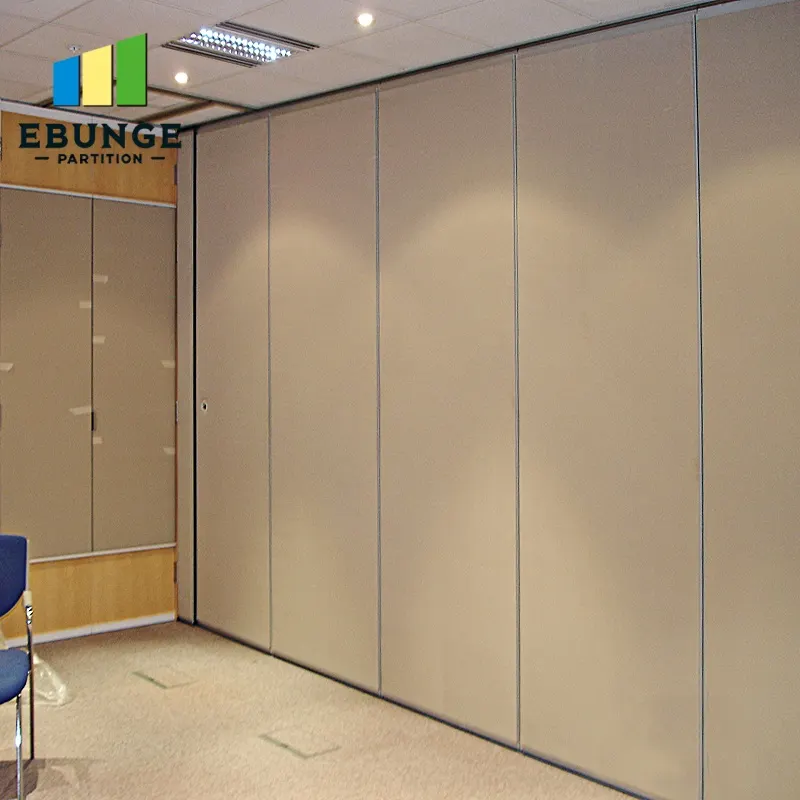
Checklist focus: track zone release authority matrix.
Release authority should sit with the party that controls the last prerequisite in that zone. In practice, this is often the ceiling crew for overhead access, the floor crew for the opening and adjacent floor condition, and the partition crew for the final installation readiness check.
The matrix should state who can release, who must be notified, and what evidence is required. Evidence may include a signed checklist, a photograph of the zone, or a drawing mark-up. The matrix should not require evidence that the project cannot produce. Keep it practical.
| Zone type | Typical releasing party | Receiving party | Release evidence |
|---|---|---|---|
| Straight overhead run | Ceiling crew | Partition crew | Zone checklist and access confirmation |
| Turning route | Ceiling crew with layout reviewer | Partition crew | Drawing mark-up showing continuous route |
| Parking position | Partition crew with floor crew | Project manager | Stacking area clearance record |
| Opening and floor line | Floor crew | Partition crew | Floor condition and clearance note |
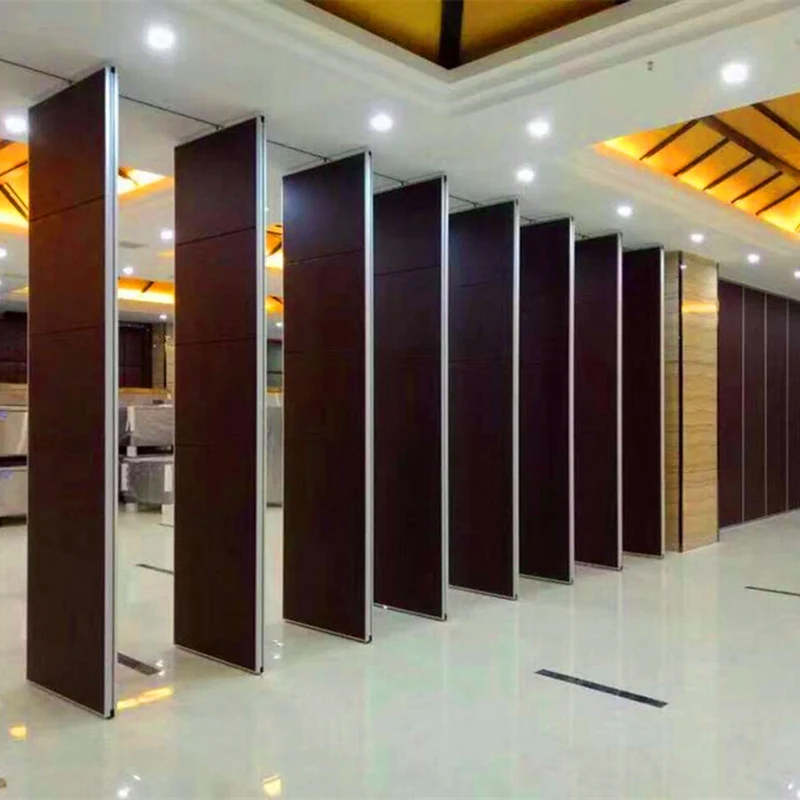
This table is a planning example. Actual authority must be confirmed against contract responsibilities and project-specific requirements.
Coordinating Ceiling, Floor, and Partition Crews
Ceiling crews control access to the overhead structure. They need to know where the track route runs, where access panels are required, and when the partition crew needs the zone. Floor crews control the opening and the adjacent floor condition. Even though the panels do not run on a floor track, the floor still affects movement, parking, and safe access.
Partition crews need a released zone before they begin. They should not be asked to work around incomplete ceiling work or blocked parking areas. The matrix should define a hold point: if the zone is not released, the partition crew does not start.
Interface Meetings That Produce Decisions
Use the matrix as the agenda. For each zone, ask: is it released, who released it, and what evidence is recorded? If the answer is unclear, the zone remains on hold.
Evidence Boundaries and Project-Specific Confirmation
Every recommendation in this framework depends on project-specific drawings and support review. It records coordination decisions.
Actual performance depends on the complete assembly, the supporting structure, and the interface details. Confirm acoustic requirements with the project team and qualified specialists.
Finish options for movable partitions include laminate, melamine, fabric, leather, glass, and other approved surfaces. Those items require matching evidence.
Release Authority Matrix Checklist
- List every track zone from the approved layout, including straight, turning, and stacking routes.
- Name the releasing party and receiving party for each zone.
- Define the evidence required before release, such as a checklist or drawing mark-up.
- Confirm that the overhead route is continuous and connected for every proposed movement path.
- Record the parking position and confirm that the stacking area is clear.
- Set a hold point so partition crews do not start in an unreleased zone.
- Review the matrix at each interface meeting and update it when the layout changes.
Frequently Asked Questions
What is a movable partition track zone release authority matrix?
It is a planning document that assigns who may release a defined track zone for the next trade. It records the releasing party, the receiving party, and the evidence required before installation proceeds.
Does the matrix replace structural or acoustic review?
No. The matrix is a coordination tool.
How many zones should a project have?
The number of zones depends on the layout. Define zones from the approved drawings.
Can the matrix be used on renovation projects?
Yes, with additional checks. Existing ceiling conditions, access, and floor conditions may require separate review. The matrix should record those checks as release prerequisites.
What happens if a zone is not released?
The partition crew should not start in that zone. The hold point remains until the releasing party provides the required evidence and the receiving party accepts the handover.
Who should own the matrix?
The project manager or general contractor typically owns the matrix, but each crew contributes to its zone entries. Ownership should be confirmed in the project coordination plan.
Conclusion and Next Steps
A track zone release authority matrix turns informal coordination into a clear sequence. It helps ceiling, floor, and partition crews know who releases each zone, what evidence is required, and when installation can begin. It does not replace project-specific support, acoustic, or dimensional review.
For movable partition planning, review the movable wall product range and the planning resources before finalizing your matrix. Then contact EBUNGE to discuss pass-door requirements, project documentation, and layout-specific coordination.