
Quick project answer
Review focus: track zone handover.
A movable partition track zone handover certificate is a staged sign-off record that confirms one overhead track zone is ready for the next phase of a renovation. The suitability of each route and parking arrangement depends on the approved layout, circulation, ceiling interfaces and operating sequence. Instead, it documents what has been installed, what has been inspected, and what remains open. For overseas contractors, architects, and owners phasing occupied buildings, this certificate creates a controlled boundary between early enabling works and later panel installation. The framework below keeps every recommendation tied to maintained product facts, visible evidence limits, and project-specific drawing review.
Why Track Zones Need Their Own Handover Stage
Project review term: track zone handover.
Movable wall panels are individually movable, suspended from a top track, cross the opening without a floor track, and park at a planned stacking position. That operating logic means the overhead route is the backbone of the whole system. In a staged renovation, the track zone often becomes available before finishes, ceilings, or adjacent trades are complete.
A track zone handover certificate separates two questions that are often confused: whether the overhead route is ready for the next trade, and whether the partition system as a whole is complete. Treating them as one event creates pressure to sign off performance that cannot yet be verified.
What a Track Zone Handover Certificate Should Record
Coordination scope: track zone handover.
The certificate is a coordination document, not a performance guarantee. It should record the zone reference, the drawing revision reviewed, the parties present, and the visible conditions observed on the day. It should also list open items that remain outside the handover.
Core record fields
- Zone identifier and the layout drawing revision used for review.
- Straight, turning, and stacking routes reviewed against the coordinated layout.
- Visible condition of the overhead route and any protected openings.
- Open items, responsible party, and the date for re-inspection.
- Signatures from the parties accepting the partial scope.
Do not use the certificate to imply acoustic, fire, or load outcomes. Those require separate project-specific confirmation and matching evidence.
Partial Completion Sign-Off Without Hidden Assumptions
Checklist focus: track zone handover.
Partial completion sign-off accepts a defined scope while the wider renovation continues. The value is clarity: each trade knows what has been accepted and what has not. The risk is inference, where a signed zone is read as proof of system performance.
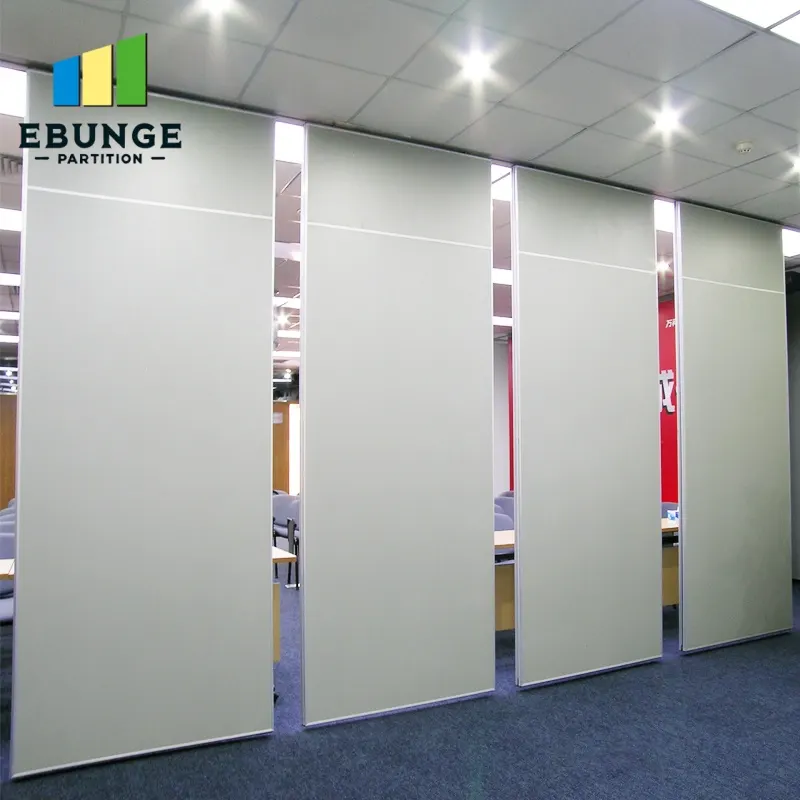
Keep the sign-off language narrow. State that the zone was reviewed for the listed visible conditions only. State that final acceptance depends on the remaining phases, coordinated drawings, and project-specific support review.
Evidence note: a visible track route, a finish sample, or a signed zone certificate does not by itself demonstrate acoustic performance, structural capacity, or application reference outcomes. Confirm project-specific support, acoustic, and dimensional requirements with the responsible parties.
A Phased Handover Process for Staged Upgrades
Use a repeatable sequence so each zone is treated consistently. The steps below are coordination steps, not installation instructions.
- Confirm the zone boundary and the drawing revision that defines it.
- Walk the straight, turning, and stacking routes with the relevant trades.
- Record visible conditions and photograph only what the parties agree to record.
- List open items with owners and target dates.
- Issue the partial completion sign-off for the defined scope only.
- Schedule re-inspection before the next phase depends on the zone.
This sequence keeps renovation phasing coordination factual. It also prevents a later trade from inheriting unresolved questions without a written trail.
Coordinating Finishes, Pass Doors, and Documentation
Confirmed finish options include laminate, melamine, fabric, leather, glass, and other approved surfaces. Finish selection affects appearance and coordination, not a hidden performance claim. If a finish is changed after a zone is signed off, record the change and re-check the affected interfaces.
Pass-door requirements and project documentation can be discussed with the supplier. Raise them early, because a pass door changes the layout logic and the sequence of adjacent works.
Documentation to keep aligned
- Layout drawings showing movement and parking routes.
- Finish schedules and approved surface references.
- Pass-door requirements and their coordination status.
- Open-item logs from each zone handover.
For maintained product context, see the movable wall systems page. Additional planning references are available in the resources library.
Evidence Boundaries Buyers Should Confirm Before Signing
Every staged project has questions that a certificate cannot answer. Separate them before signature so expectations stay realistic.

| Question | What the certificate can show | What still needs project-specific confirmation |
|---|---|---|
| Is the overhead route ready for the next phase? | Visible condition and reviewed drawing revision | Support conditions and coordinated interfaces |
| Are the movement routes workable? | Straight, turning, and stacking routes reviewed | Final dimensional coordination and parking layout |
| Is acoustic separation acceptable? | Nothing directly | Project-specific acoustic requirements and evidence |
| Is the finish approved? | Finish reference recorded | Cleaning compatibility and site conditions |
Common Phasing Mistakes to Avoid
Most disputes come from scope drift rather than technical failure. Watch for these patterns.
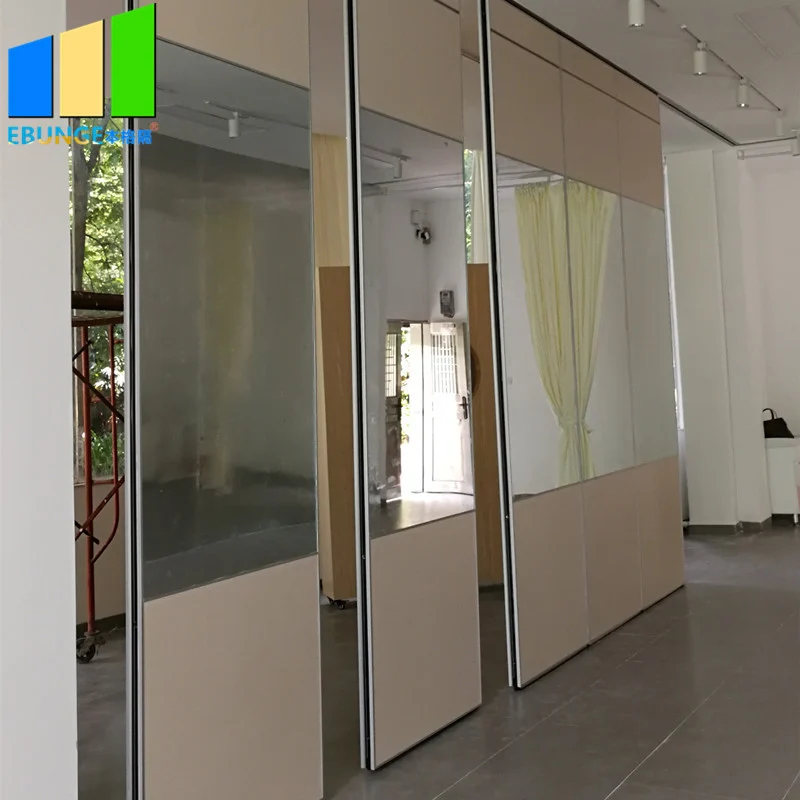
- Signing a zone certificate that uses final-completion language.
- The exact route, junction arrangement, continuous overhead path and parking position must be confirmed from the coordinated project drawings.
- Changing finishes after handover without updating the record.
- Treating a generic application example as proof of a application reference.
- Leaving pass-door coordination until after adjacent works close.
Each mistake is avoidable with a narrow certificate scope and a maintained open-item log.
Frequently Asked Questions
What is a movable partition track zone handover certificate?
It is a staged sign-off record for one overhead track zone. It documents the reviewed drawing revision, visible conditions, open items, and the parties accepting a defined partial scope.
Does the certificate confirm acoustic performance?
No. Acoustic requirements need project-specific confirmation and matching evidence. A certificate records coordination status, not measured performance.
Can a zone be signed off before finishes are complete?
Yes, if the certificate scope is limited to the reviewed conditions and open items are listed. Final acceptance should remain separate.
How should movement routes be reviewed?
Review the straight, turning, and stacking routes against the coordinated layout. Every proposed movement path requires a continuous connected overhead route and project-specific support review.
When should pass doors be coordinated?
Raise pass-door requirements early, before adjacent works close. They affect layout logic and the sequence of staged handovers.
What should happen after a partial completion sign-off?
Track open items, schedule re-inspection, and keep finish and drawing records aligned. Confirm project-specific support, acoustic, and dimensional requirements before final acceptance.
Conclusion and Next Step
It helps staged renovations move forward without turning a partial sign-off into an unsupported performance claim. Keep the scope visible, the open items written, and the drawing revisions aligned.
To discuss pass-door requirements, finish options, or project documentation for your phased upgrade, contact the EBUNGE team and confirm the project-specific support, acoustic, and dimensional requirements with your responsible parties.