
Quick answer: movable partition track zone access handover register
Review focus: movable partition track zone access handover register.
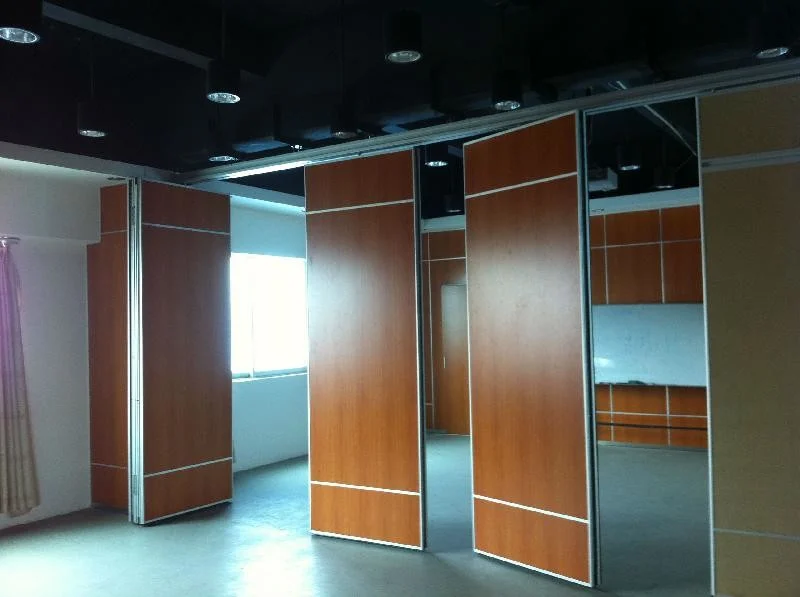
A movable partition track zone access handover register is the coordination record that tells a contractor when each overhead track zone is ready for the partition crew to enter. It links ceiling grid completion, prior-trade sign-off and drawing review into one controlled sequence. Because EBUNGE movable partition panels are individually movable, suspended from a top track, cross the opening without a floor track and park at a planned stacking position, the overhead route must be continuous and supported before panels are hung. This article explains how to structure that register without assuming project-specific outcomes.
Why the Register Matters After Ceiling Grid Completion
Project review term: movable partition track zone access handover register.
Ceiling grid completion is a visible milestone, but it is not the same as track zone readiness. The grid may be closed while the support structure above it, the route continuity and the stacking position remain unverified. A register prevents crews from entering a zone that looks finished but cannot accept the top track.
The register also protects the sequence. If partition crews enter before prior trades finish, later work can disturb the track line. If they enter too late, the ceiling may be closed and access becomes harder to coordinate. The register records the decision rather than leaving it to verbal instruction.
What the Register Should Record for Each Zone
Coordination scope: movable partition track zone access handover register.
Keep each zone entry short and factual. The register is a handover log, not a performance certificate. It should show who confirmed readiness, what was checked and what remains open.
- Zone identifier and drawing reference for the track route.
- Ceiling grid completion status and date of inspection.
- Prior-trade sign-off for the structure above the ceiling.
- Confirmation that the overhead route is continuous and connected.
- Planned stacking position and parking route review status.
- Open items that must close before crew entry.
- Named person authorising entry and date.
The suitability of each route and parking arrangement depends on the approved layout, circulation, ceiling interfaces and operating sequence. A tick in the register means the handover step is complete, not that the system meets a performance target.
A Numbered Handover Process for Crew Entry
Checklist focus: movable partition track zone access handover register.

The following sequence keeps the register usable across multiple zones and trades. Adapt the steps to the project programme and contract requirements.
- Issue the zone list from the approved layout drawings.
- Confirm ceiling grid completion for the zone.
- Collect prior-trade sign-off for the support and overhead route.
- Review the straight, turning and stacking routes on the drawings.
- Record any open item that blocks crew entry.
- Authorise entry only when the open items are closed.
- Log the handover date and the person who released the zone.
- Repeat for each zone before the partition crew moves on.
This process does not prescribe how long each step takes. Duration depends on the project, the trades involved and the site conditions. The register simply makes the sequence visible.
Prior-Trade Sign-Off and Evidence Boundaries
Prior-trade sign-off is often the weakest link. The register should identify which sign-off is required and who provides it.
Evidence boundaries matter here. A drawing does not prove that the installed route matches the design. Visible references can support layout discussion but do not verify hidden construction or performance. The register should point to the project-specific confirmation required rather than inferring it.
Register entries record coordination status only. They do not replace project-specific support, acoustic or dimensional confirmation.
Coordinating Routes, Parking and Finishes
EBUNGE movable partitions are top-hung and move without a continuous floor running track or floor hardware along the partition line. Straight, turning and stacking routes are reviewed from the layout. Parking style is customised to the customer layout and project requirements and may support compact stacking when the coordinated design permits it.
Finish options include laminate, melamine, fabric, leather, glass and other approved surfaces. Finish selection does not change the handover logic. The register still needs the route, support and access checks before crew entry.
Pass-door requirements and project documentation can be discussed with the EBUNGE team. Where a pass door is planned, record it as a coordination item so the door position, route and access sequence are reviewed together.
Common Sequencing Mistakes to Avoid
Most problems come from treating a visible milestone as a readiness decision. The table below shows typical mistakes and the register response.

| Mistake | Register response |
|---|---|
| Assuming ceiling grid completion means track zone readiness | Require prior-trade sign-off before entry |
| Releasing a zone with an open support query | Keep the zone blocked until the query closes |
| Using a finish approval as proof of performance | Record finish separately from performance confirmation |
| Ignoring the stacking position | Review parking route on the layout drawings |
| Relying on verbal release | Log the authorising person and date |
These responses are coordination controls.
Documentation and Drawing Review Before Entry
Before a zone is released, the project team should confirm that the current drawing set matches the installed ceiling condition. The exact route, junction arrangement, continuous overhead path and parking position must be confirmed from the coordinated project drawings.
If the installed condition differs from the drawing, record the difference and hold the zone until the project team resolves it. Do not ask the partition crew to resolve design queries on site. The register is a handover tool, not a substitute for design coordination.
For general planning resources, see the EBUNGE resources page. For product context, see movable partition walls.
Frequently Asked Questions
What is a movable partition track zone access handover register?
It is a project log that records when each overhead track zone is ready for the partition crew to enter, based on ceiling grid completion, prior-trade sign-off and drawing review.
Does ceiling grid completion automatically release a zone?
No. The grid may be complete while the support above it, the route continuity or the stacking position still needs confirmation. The register should keep the zone blocked until those items close.
Who should sign off before the partition crew enters?
The project team should identify the relevant prior trades and the person responsible for each sign-off. The register records the sign-off rather than assuming it.
Can the register confirm acoustic performance?
No. The register records coordination status only. Acoustic requirements need project-specific confirmation with matching evidence.
How should parking and stacking be recorded?
Record the planned stacking position and the parking route review as separate register items. Parking style is customised to the layout and project requirements.
What if the installed condition differs from the drawing?
Record the difference and hold the zone until the project team resolves it. Do not release the crew on an unresolved design query.
Conclusion and Next Steps
A movable partition track zone access handover register turns a visible ceiling milestone into a controlled release decision. It keeps prior-trade sign-off, route review and stacking position visible before the partition crew enters.
Start by listing the zones from the approved layout, then agree the sign-off and evidence required for each. Keep entries factual and hold zones with open items. To discuss pass-door requirements, finishes or project documentation, contact the EBUNGE team.