
Quick answer: movable partition track zone above-ceiling trade sequencing matrix
Review focus: movable partition track zone above-ceiling trade sequencing matrix.
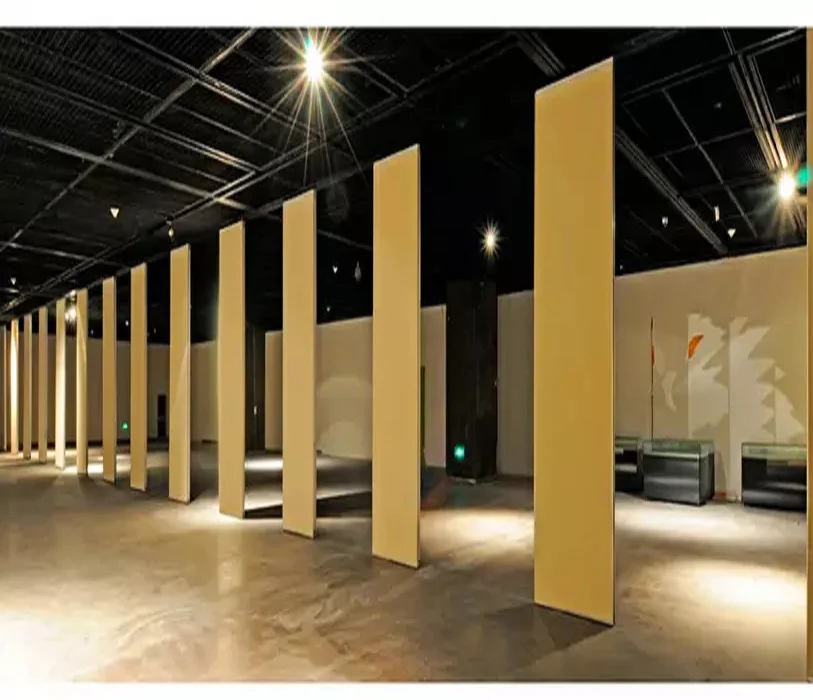
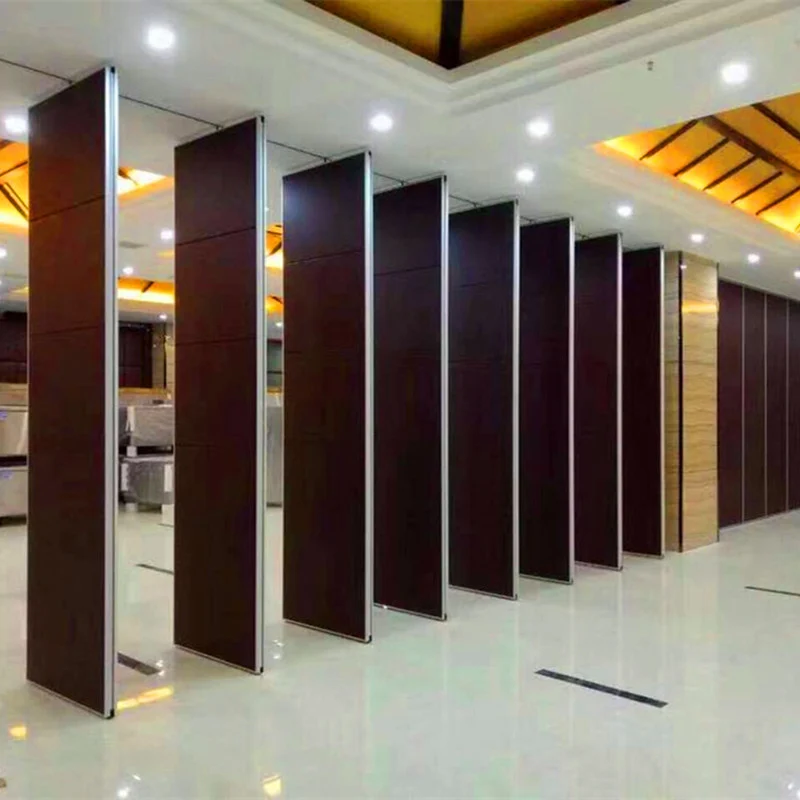
A movable partition track zone above-ceiling trade sequencing matrix is a planning tool, not a product. The exact overhead route and support arrangement must be confirmed by the responsible project team from coordinated drawings. Because EBUNGE movable partition panels are individually movable, suspended from a top track, cross the opening without a floor track and park at a planned stacking position, the overhead route is the single most important shared interface on the project. Every straight, turning and stacking route must be reviewed from the layout, and every reserved corridor must be confirmed in drawings before fixing.
Why the Track Zone Is a Shared Interface, Not a Partition Detail
Project review term: movable partition track zone above-ceiling trade sequencing matrix.
The suitability of each route and parking arrangement depends on the approved layout, circulation, ceiling interfaces and operating sequence. Ductwork, conduit, sprinkler mains, drainage and cable trays frequently occupy the same vertical band. When the partition track is fixed first, later trades are forced to divert, and the diversion may cross a planned turning or stacking route.
Treat the track zone as a reserved corridor with a defined plan width and a defined vertical band. The corridor must remain continuous wherever panels are expected to travel. A gap in the overhead route cannot be crossed by panels, so any interruption must be resolved in the layout stage rather than on site.
The Above-Ceiling Trade Sequencing Matrix Explained
Coordination scope: movable partition track zone above-ceiling trade sequencing matrix.
The matrix below is a coordination framework. It does not assign durations, manpower or costs. It identifies the decision that must be closed before the next trade commits its route.
| Sequence stage | Trade or discipline | Decision to close | Evidence to record |
|---|---|---|---|
| 1 | Layout and partition routing | Straight, turning and stacking routes agreed | Marked-up plan showing the full overhead route |
| 2 | Structural review | Support strategy for the track zone confirmed | Project-specific structural confirmation |
| 3 | Ductwork and large services | Reserved corridor width and vertical band fixed | Coordinated reflected ceiling plan |
| 4 | Conduit and cable trays | Routes do not cross the reserved corridor | Services drawing with corridor shown |
| 5 | Sprinkler and fire services | Head positions and pipe routes coordinated | Signed coordination drawing |
| 6 | Ceiling framing | Access and inspection provisions agreed | Ceiling zone detail |
| 7 | Track fixing | Corridor released for installation | Inspection record before fixing |
Stages may overlap in fast-track programmes, but the decision at each stage should still be closed before the following trade commits. The matrix is most useful when it is attached to the coordination drawing set rather than kept as a separate document.
Reserving Ductwork, Conduit and Sprinkler Corridors
Checklist focus: movable partition track zone above-ceiling trade sequencing matrix.
Ductwork and large rectangular services
Large services usually dictate the vertical band. Where a duct main runs parallel to the partition line, the reserved corridor should be offset far enough that the track and its support zone remain clear. Where a duct crosses the partition line, the crossing point must be checked against the turning and stacking routes.
Conduit, cable trays and small services
Small services are often installed late and are the most common cause of corridor encroachment. Grouping them into a defined band, rather than allowing individual routes, keeps the reserved corridor legible during inspection.
Sprinkler and fire service coordination
Head locations, pipe routes and any inspection access should be agreed with the fire services designer before the ceiling is closed. This article does not state sprinkler performance, spacing or approval requirements; those remain project-specific.
Pre-Fixing Checklist for the Track Envelope
Review focus: movable partition track zone above-ceiling trade sequencing matrix.
- Confirm the full overhead route, including straight, turning and stacking sections, on the latest layout.
- The exact route, junction arrangement, continuous overhead path and parking position must be confirmed from the coordinated project drawings.
- Confirm that ductwork, conduit, cable trays and sprinkler routes are shown on one coordinated drawing.
- Confirm ceiling access and inspection provisions before the ceiling is closed.
- Confirm finish selections, including laminate, melamine, fabric, leather, glass or other approved surfaces, are recorded for the panel schedule.
- Confirm pass-door requirements and project documentation needs with the supplier.
- Confirm that the corridor is formally released before track fixing begins.
Evidence Boundaries and Drawing Review
Actual performance depends on the complete assembly, the interface details and the project conditions.
Visible evidence has limits. Visible references can support layout discussion but do not verify hidden construction or performance. Those items require project-specific confirmation. Where a claim cannot be supported by matching evidence, it should be removed or restated as a confirmation item.
Evidence note: this matrix is a coordination aid. Support, acoustic and dimensional requirements must be confirmed for each project before the track envelope is committed.
Roles and Handover Points
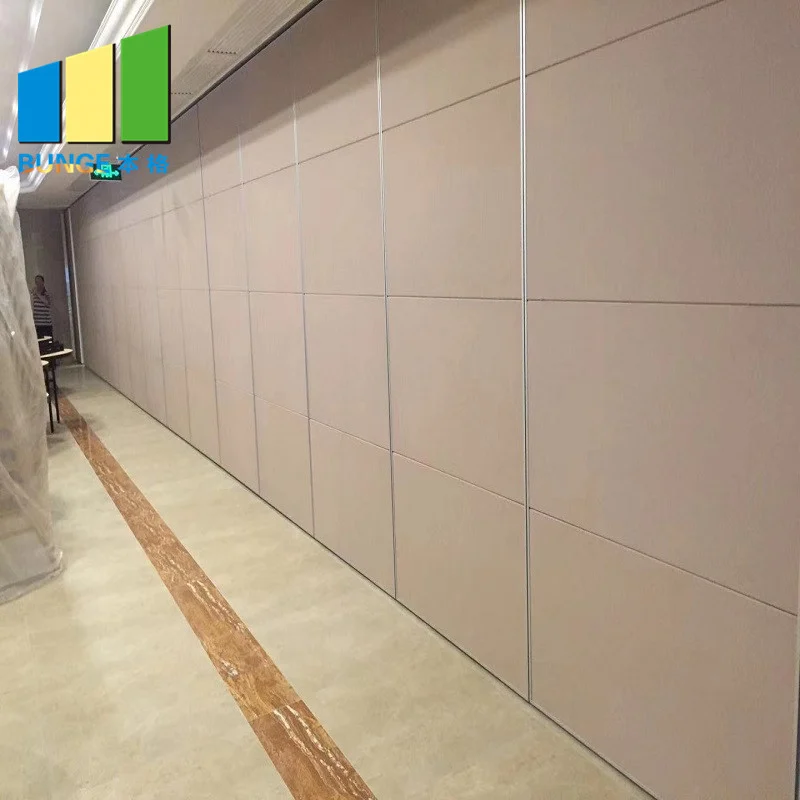
The architect or interior designer typically owns the layout and the reserved corridor intent. The contractor owns trade sequencing and inspection. The fire services designer confirms sprinkler coordination. The partition supplier reviews the route and confirms configuration items such as parking position, finish selection and pass-door requirements.
Handover points should be written into the coordination programme. A corridor released without a recorded inspection is a common source of rework. Review the movable wall systems overview and the project resources before the coordination workshop.
Frequently Asked Questions
When should the track zone be reserved in the programme?
Reserve the corridor during layout coordination, before ductwork, conduit and sprinkler routes are fixed. The reservation should appear on the coordinated services drawing.
Can panels cross a gap in the overhead route?
No. Every proposed movement path requires a continuous connected overhead route. Any interruption must be resolved in the layout and reviewed for project-specific support.
Does the matrix replace a structural review?
No. The matrix sequences decisions.
How are finishes and pass doors coordinated with the track zone?
Finish options include laminate, melamine, fabric, leather, glass and other approved surfaces. Pass-door requirements and project documentation can be discussed with the supplier during coordination.
What should be recorded before track fixing?
Record the released corridor, the coordinated services drawing, the support confirmation and the inspection sign-off. Keep these with the project documentation set.
Is acoustic performance guaranteed by the matrix?
No. The matrix supports coordination only.
Conclusion and Next Step
A movable partition track zone above-ceiling trade sequencing matrix keeps ductwork, conduit and sprinkler corridors visible during coordination. Used consistently, it reduces the risk that the track envelope is committed before the reserved corridor is confirmed. The matrix does not replace engineering judgement, and every project still requires its own support, acoustic and dimensional review.
To discuss your layout, route review and documentation requirements, contact the EBUNGE team and share your coordinated drawings for review.