
Quick answer: movable partition track fixing sequence
Review focus: movable partition track fixing sequence.
A movable partition track fixing sequence dependency map is a planning tool, not a construction drawing. It shows which predecessor activity must be complete before a crew can begin its own track fixing work. The suitability of each route and parking arrangement depends on the approved layout, circulation, ceiling interfaces and operating sequence. Because EBUNGE movable partition panels are individually movable and suspended from a top track, the track and its supporting interface become a shared coordination point across trades. This article explains how to build that map without inventing performance, load or schedule conclusions.
Why Track Fixing Is a Cross-Trade Dependency, Not a Single Task
Project review term: movable partition track fixing sequence.
Track fixing sits between several scopes. The ceiling trade controls access and closure. The partition trade controls the final alignment and movement route. If these are sequenced only by date, rather than by dependency, a later crew may find its predecessor work already covered or inaccessible.
The dependency map should therefore record what must be true before each track fixing step starts. It should not assume a specific support method, fixing type or load value.
What the map is not
It is a coordination layer that helps each crew ask the right predecessor question at the right time.
Building the Dependency Map from the Layout
Coordination scope: movable partition track fixing sequence.
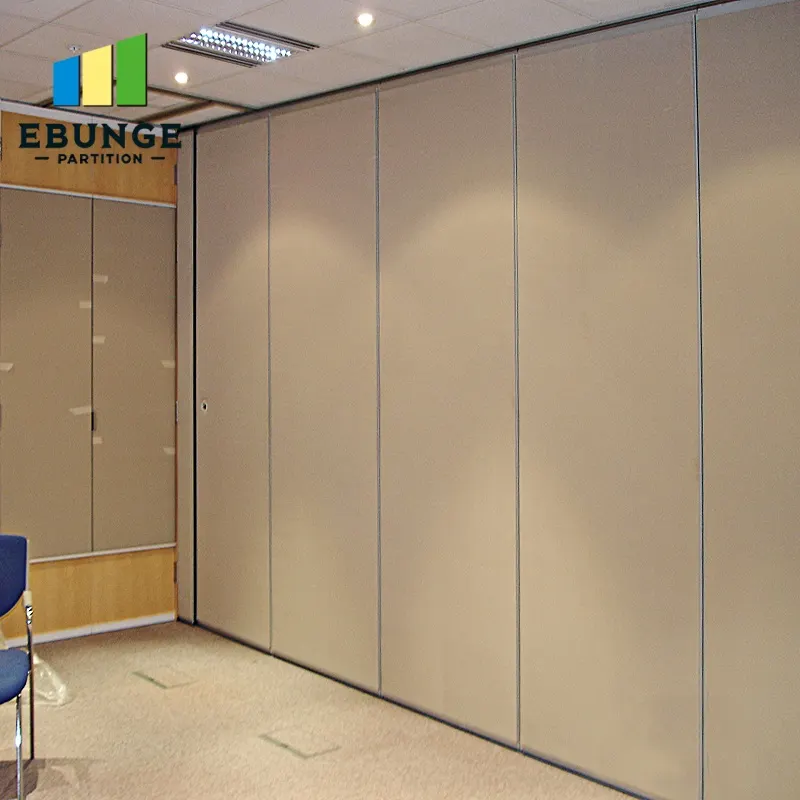
Start with the approved layout, not with a generic sequence. The layout shows the opening, the parking position and whether the route is straight, turning or stacking. Each of these affects which overhead path must remain continuous and which interfaces must be reviewed before closure.
For each route segment, list the activities that must precede track fixing. The map should name the responsible party for each confirmation, not just the activity.
A simple dependency register
| Track fixing step | Predecessor confirmation | Responsible trade |
|---|---|---|
| Structural interface review | Supporting condition and fixing zone confirmed | Structural engineer or contractor |
| Ceiling access and closure | Access opening and inspection route agreed | Ceiling trade |
| Overhead route continuity | Straight, turning or stacking path reviewed | Partition and ceiling coordination |
| Track fixing release | Predecessor confirmations signed off | General contractor |
This register is deliberately generic. It does not state a fixing method, a support spacing or a load capacity. Those values require project-specific evidence and should be inserted only when the responsible engineer has confirmed them.
Coordinating Structural, Ceiling and Partition Crews
Checklist focus: movable partition track fixing sequence.
Each crew needs a clear release condition. The ceiling crew needs to know which access points must remain open until track fixing is released. The partition crew needs to know that the overhead route is continuous and that the parking position is available.
Hold a short coordination check before ceiling closure. The purpose is not to redesign the system, but to confirm that every predecessor item on the map has an owner and a status. If an item is unresolved, the dependent track fixing step should remain on hold.
Questions to ask at the coordination check
- Is the supporting interface for each track segment reviewed and recorded?
- Are ceiling access points still available for the partition crew?
- Is the movement route continuous from the opening to the parking position?
- Has the parking position been coordinated with adjacent finishes or services?
- Are pass-door requirements and project documentation confirmed where applicable?
These questions keep the discussion at the coordination level. Visible references can support layout discussion but do not verify hidden construction or performance.
Evidence Boundaries for Track Fixing Planning
Review focus: movable partition track fixing sequence.
A dependency map should distinguish between confirmed project information and assumptions. Assumptions include any fixing method, support spacing or performance outcome that has not been confirmed for the project.
Where acoustic separation matters, the project team should confirm the required rating and the supporting documentation for the specific assembly.
Evidence note
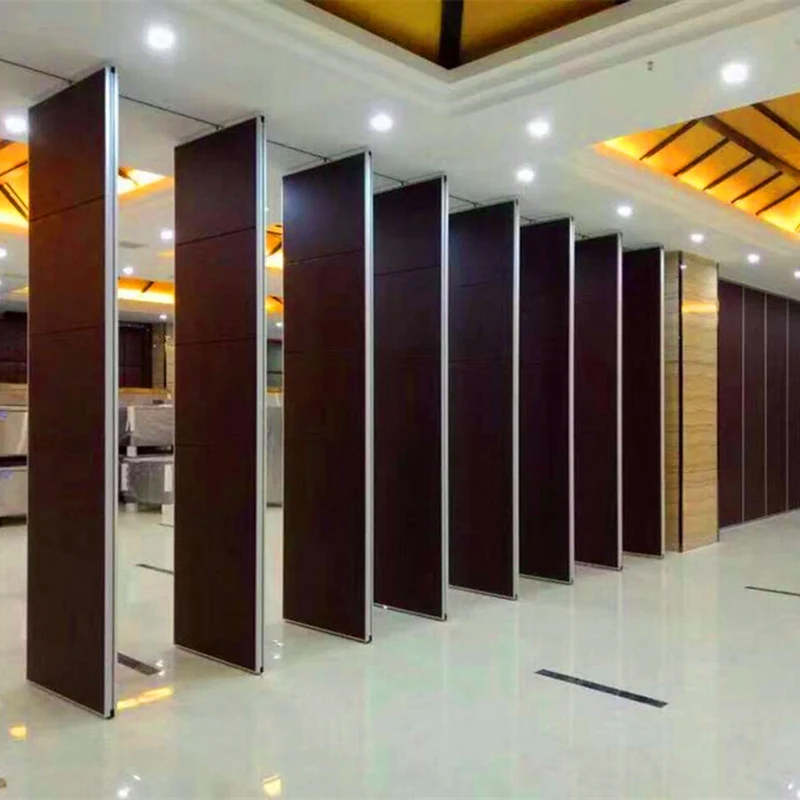
Do not treat a finish sample, a layout drawing or a generic application example as evidence of structural capacity, acoustic performance or a application reference. Each of these requires its own project-specific confirmation.
This boundary protects the contractor from committing to a performance or installation outcome that has not been reviewed for the actual supporting condition.
Finish, Parking and Pass-Door Coordination
Project review term: movable partition track fixing sequence.
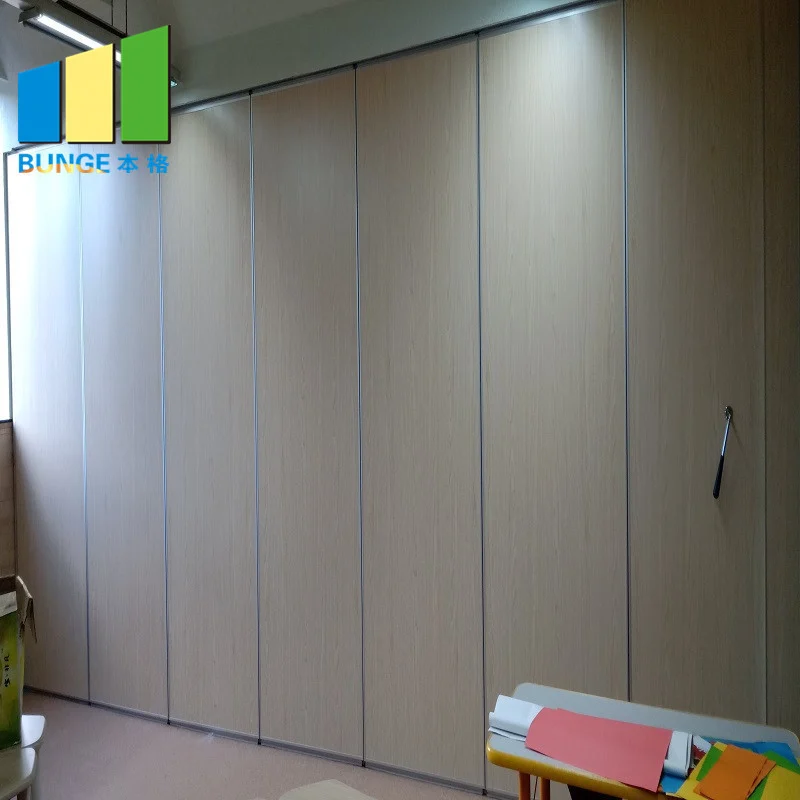
Finish selection can affect the coordination sequence because some finishes may require protection during track fixing and ceiling closure. Confirmed finish options include laminate, melamine, fabric, leather, glass and other approved surfaces. The project team should confirm the finish schedule before the track fixing release so that protection and handling can be planned.
Parking style is customized to the customer layout and project requirements. Where compact stacking is proposed, the coordinated design must confirm that the stacking route and parking zone are compatible with the ceiling and adjacent services. Pass-door requirements and project documentation can be discussed with the EBUNGE team where the layout includes them.
Checklist before releasing track fixing
- Approved layout and route type confirmed.
- Ceiling access and closure sequence agreed.
- Overhead route continuity confirmed.
- Parking position coordinated.
- Finish protection and handling noted.
- Pass-door and documentation items confirmed where applicable.
Use this checklist as a release gate, not as a performance statement. It confirms that coordination steps are complete; it does not confirm load, acoustic or durability outcomes.
Documenting the Map for Project Records
The dependency map should be issued as a controlled coordination document. When a predecessor item changes, the map should be updated and reissued to all affected crews.
For overseas projects, time-zone and language differences can make informal coordination unreliable. A written map with named owners and status columns gives each trade a single reference point. It also helps the general contractor demonstrate that track fixing was released only after the relevant predecessor confirmations.
Internal reference
Project teams can review the maintained product context on the movable walls product page and use the resources section for general planning material.
Frequently Asked Questions
What is a movable partition track fixing sequence dependency map?
It is a coordination document that lists the predecessor activities which must be complete before each track fixing step can begin.
Does the map need to specify a fixing method or support spacing?
No. The map should record who confirms the supporting condition and when, not invent a fixing method or spacing.
How does the ceiling trade affect track fixing?
The ceiling trade controls access and closure. If the ceiling closes before track fixing is released, the partition crew may lose access to the overhead route. The map should identify which access points must remain open.
Can the map confirm acoustic performance?
No. The project team should confirm the required rating and supporting documentation for the specific assembly.
What information should be confirmed before track fixing starts?
Pass-door requirements and project documentation should also be confirmed where applicable.
Is a floor track required for EBUNGE movable partitions?
EBUNGE movable partition panels are top-hung and move without a continuous floor running track or floor hardware along the partition line. The exact route, junction arrangement, continuous overhead path and parking position must be confirmed from the coordinated project drawings.
Conclusion and Next Step
It keeps the focus on predecessor confirmations, route continuity and project-specific review rather than unsupported performance claims. For projects involving movable partition walls, confirm the supporting condition, acoustic requirement and dimensional coordination with the responsible project professionals.
To discuss pass-door requirements, finish options or project documentation for your layout, contact the EBUNGE team and share your approved drawings for review.