
Quick answer: movable partition track fixing hold
Review focus: movable partition track fixing hold.
A movable partition track fixing hold-point release sequence is a written set of gates that decides when the partition crew may begin overhead track work. On most sites the track cannot be fixed until ceiling service rough-in is complete and verified, because ducts, sprinkler mains, cable trays and lighting supports occupy the same ceiling zone. This article sets out a coordination sequence for overseas contractors, architects and owners who need the partition package to follow the ceiling services rather than race ahead of them. Every recommendation below stays inside maintained product facts and project-specific drawing review.
Why the Track Cannot Lead the Ceiling Services
Project review term: movable partition track fixing hold.
EBUNGE movable partition panels are individually movable, suspended from a top track, cross the opening without a floor track, and park at a planned stacking position. The suitability of each route and parking arrangement depends on the approved layout, circulation, ceiling interfaces and operating sequence.
If the partition crew fixes track before the mechanical and electrical rough-in is verified, later service work can force rework of the very element that carries the panels. The hold-point release sequence exists to prevent that rework, not to slow the programme.
Define the Hold Points Before Mobilisation
Coordination scope: movable partition track fixing hold.
A hold point is a named, verifiable condition. It is not a verbal assurance that “the ceiling is nearly done.” Write each hold point into the coordination programme with an owner, a verification method and a release signature.
Typical hold points for the partition package
- HP-1 Ceiling service rough-in complete. Ducts, pipework, cable containment and ceiling-level supports are installed and inspected by their own trades.
- HP-2 Service coordination drawing issued. The coordinated ceiling drawing shows the partition track route against those services.
- HP-3 Track route and support zone reviewed. The straight, turning and stacking routes are checked against the layout, including the parking position.
- HP-4 Support condition confirmed for the project.
- HP-5 Release to fix track. The above are verified and recorded before the partition crew starts overhead work.
Hold points HP-1 to HP-5 are a planning structure, not a claim about any application reference. Their content must be adapted to the actual contract, inspection regime and drawing set.
Gate the Release on Verified Rough-In, Not on Progress Claims
Checklist focus: movable partition track fixing hold.
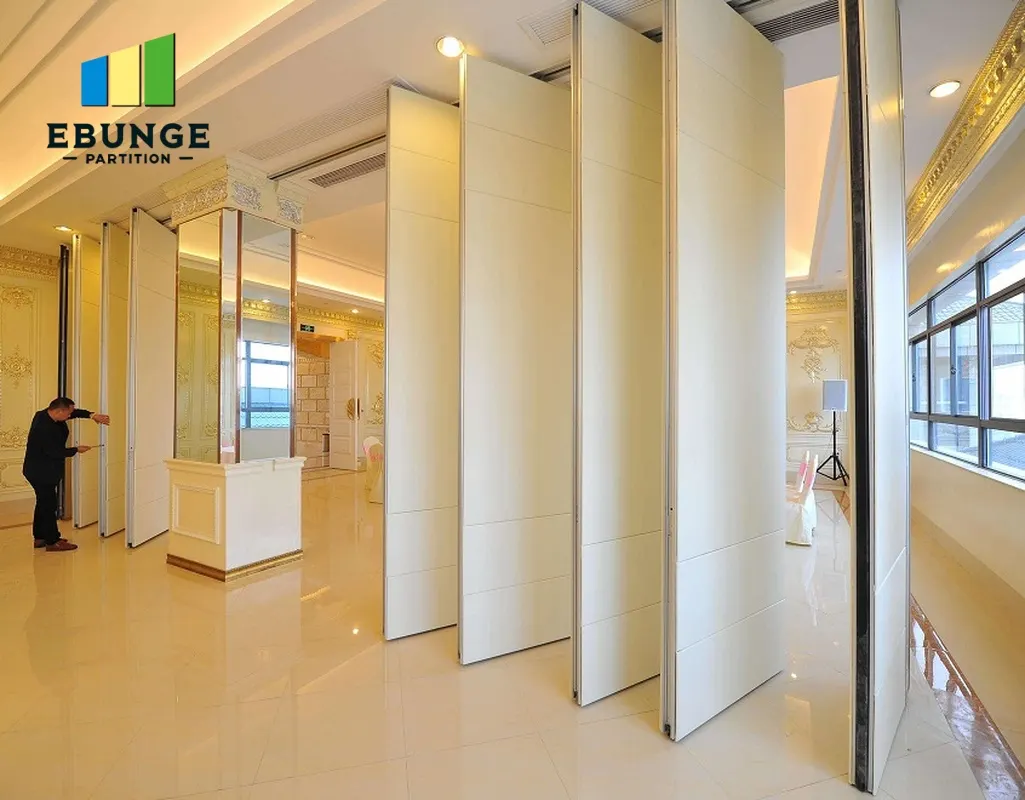
Progress percentages are unreliable release triggers. A ceiling can look substantially complete while a single uncoordinated service still crosses the track line.
What verification should include
- Signed inspection records for the ceiling services from the responsible trades.
- A coordinated drawing that shows the track route and the parking zone against those services.
- Confirmation that no future service installation is planned to cross the track line.
- A named person who accepts the release and records the date.
Where any item is missing, the release stays closed. That is the point of a hold point: it is a decision, not a reminder.
Review the Movement Route from the Layout
Review focus: movable partition track fixing hold.
The layout review is where the partition package meets the building. Straight, turning and stacking routes are reviewed from the layout, and every proposed movement path requires a continuous connected overhead route with project-specific support review.
Questions the layout review should answer
- Where does each panel travel when the room is opened or closed?
- Where do panels park, and is that stacking position coordinated with ceiling services?
- Does the route turn, and is the turning geometry shown on the coordinated drawing?
- Are pass-door requirements identified and discussed with the supplier?
The exact route, junction arrangement, continuous overhead path and parking position must be confirmed from the coordinated project drawings. If the drawing shows a break in the overhead route, the route must be redesigned before track fixing is released.
Coordinate Finishes, Interfaces and Documentation
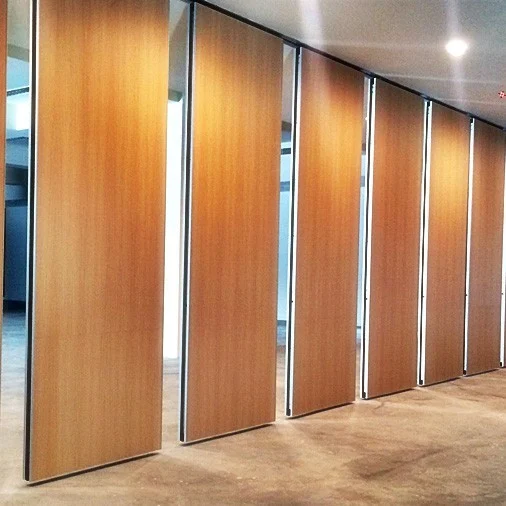
Confirmed finish options include laminate, melamine, fabric, leather, glass and other approved surfaces. Finish selection affects the interface details around the track and the parking zone, so it should be settled before the release, not after.
Interface items to close before release
| Interface | What to confirm | Evidence to record |
|---|---|---|
| Ceiling services | Rough-in complete and inspected | Signed inspection record |
| Track route | Straight, turning and stacking routes reviewed | Coordinated drawing |
| Support condition | Project-specific support confirmed | Engineer confirmation |
| Finishes | Approved surface selected | Approved sample or schedule |
| Pass doors | Requirement identified | Discussed with supplier |
Project documentation can be discussed with the supplier so that the release record, drawings and finish schedule stay aligned.
Evidence Limits: What a Drawing Does Not Prove
Do not derive hidden acoustic, fire, durability, load, maintenance, certification or commercial performance from a visible shape, finish, photograph or drawing. Comparative, absolute and causal statements require corresponding evidence.
The exact overhead route and support arrangement must be confirmed by the responsible project team from coordinated drawings.
Release Sequence in Practice
Run the sequence as a short, repeatable cycle: verify HP-1, issue HP-2, review HP-3 and HP-4, then sign HP-5. If a gate fails, return to the responsible trade and re-verify rather than issuing a partial release.
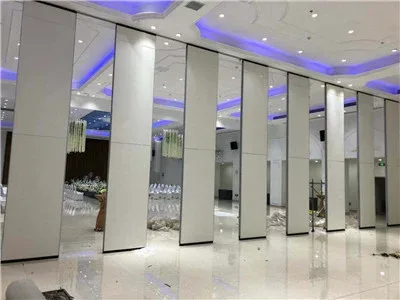
Keep the release record with the coordinated drawing and the finish schedule. When questions arise later, the record shows what was verified and when. For product context, see the movable walls range and the planning resources.
Frequently Asked Questions
Can track fixing start before ceiling service rough-in is complete?
The hold-point sequence is designed to prevent that. Track fixing should be released only after the ceiling services are installed, inspected and shown on a coordinated drawing against the track route.
Who should own the release decision?
The project should name a single responsible person, typically the site or package manager, who verifies each hold point and records the release date. The supplier can support with documentation but does not replace the project’s own verification.
What if the coordinated drawing changes after release?
Re-open the affected hold points.
Does the parking position affect the release sequence?
Yes. Parking style is customized to the customer layout and project requirements, and the stacking position must be coordinated with ceiling services and the movement route before track fixing is released.
How are acoustic and dimensional requirements handled?
They are confirmed for each project.
What documentation should be kept?
Keep the inspection records, the coordinated drawing, the support confirmation, the finish schedule and the signed release. Project documentation can be discussed with the supplier to align these records.
Conclusion and Next Step
A movable partition track fixing hold-point release sequence protects the overhead interface by tying track work to verified ceiling service rough-in. Define the hold points, verify them with records, review the movement route from the layout, and keep the evidence limits visible. Confirm project-specific support, acoustic and dimensional requirements before any release.
To discuss your project drawings, pass-door requirements and documentation, contact the EBUNGE team.