
Quick answer: movable partition track fixing crew skill mix task allocation matrix
Review focus: movable partition track fixing crew skill mix task allocation matrix.
Before a crew is committed to a site program, the movable partition track fixing crew skill mix task allocation matrix gives project teams a structured way to compare installer competencies with the demands of track fixing, panel hanging and ceiling interface work. The matrix is not a performance document. It is a planning tool that helps contractors, architects and owners confirm who is competent for each workface task, what information is still missing, and where project-specific drawings must be reviewed before mobilization.
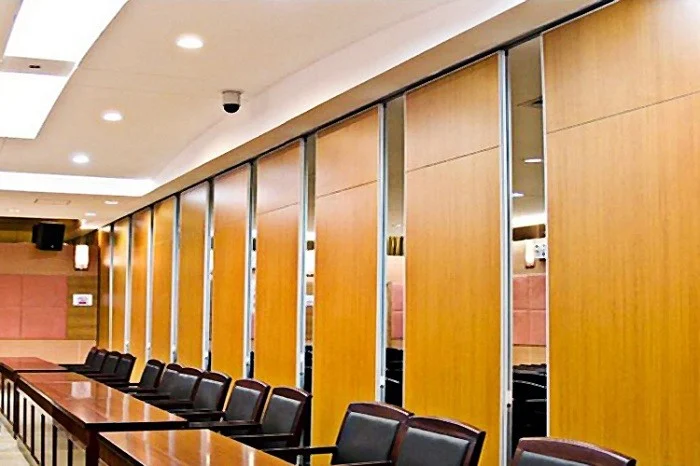
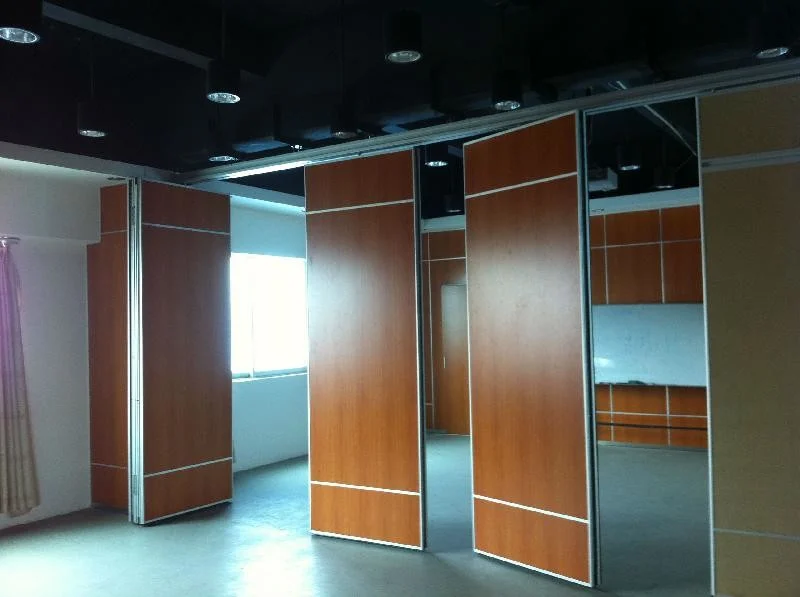
Movable wall panels are individually movable, suspended from a top track, cross the opening without a floor track, and park at a planned stacking position. Straight, turning and stacking routes are reviewed from the layout. Those maintained facts shape the task list, but they do not replace project-specific support, acoustic and dimensional confirmation.
Why a Competency Matrix Belongs in Pre-Mobilization Planning
Project review term: movable partition track fixing crew skill mix task allocation matrix.
Installation planning often focuses on dates and deliveries. A competency matrix shifts attention to the workface. It asks whether the available crew can execute each task to the project drawing, and whether the ceiling interface and track route have been reviewed by the right people.
For overseas projects, this matters because labor is assembled from different trades and backgrounds. A matrix makes assumptions visible. It also gives the project manager a neutral way to raise gaps with the client, the ceiling contractor and the partition supplier before crews arrive.
What the Matrix Does Not Do
The suitability of each route and parking arrangement depends on the approved layout, circulation, ceiling interfaces and operating sequence. It does not replace engineering review. It only maps tasks to competencies and flags where project-specific evidence is required.
Core Workface Tasks for Top-Hung Movable Partitions
Coordination scope: movable partition track fixing crew skill mix task allocation matrix.
The task list should follow the actual sequence of the installation, not a generic trade breakdown. For top-hung systems, the overhead route is continuous and supported. Panels cross the opening without a floor track and park at a planned stacking position. The following tasks are typical planning categories.
- Layout verification: checking the opening, turning routes and stacking position against the approved layout.
- Ceiling interface review: confirming the ceiling structure and coordination points with other trades.
- Track fixing: installing the top track along the reviewed route with correct alignment and support coordination.
- Panel hanging: placing panels on the track and checking individual movement.
- Route testing: moving panels through straight, turning and stacking paths.
- Finish and pass-door coordination: checking approved surfaces and any pass-door requirements.
Each task has different competency demands. Panel hanging depends on careful handling and sequence awareness. Ceiling interface work depends on reading coordinated drawings and communicating with other trades.
Building the Task Allocation Matrix
Checklist focus: movable partition track fixing crew skill mix task allocation matrix.
A practical matrix uses rows for tasks and columns for competency levels. Keep the levels simple and project-specific. The goal is not a score, but a clear picture of who can lead, who can support and where supervision is required.
| Task | Lead competency | Support competency | Evidence to confirm |
|---|---|---|---|
| Layout verification | Site setting-out | Drawing reading | Approved layout and route review |
| Ceiling interface review | Ceiling coordination | Trade communication | Coordinated ceiling drawings |
| Track fixing | Track alignment | Structural coordination | Support and fixing details |
| Panel hanging | Panel handling | Sequence awareness | Panel schedule and stacking plan |
| Route testing | Movement checks | Observation | Straight, turning and stacking routes |
| Finish coordination | Finish protection | Snagging | Approved finish schedule |
Use the matrix before mobilization. If a lead competency is missing, the project team can decide whether to adjust the program, add supervision or request clarification from the supplier. Do not assume that a general carpenter or drywall installer automatically holds track alignment competency.
Matching Installer Competencies to Workface Demands
Review focus: movable partition track fixing crew skill mix task allocation matrix.
Competency matching should be evidence-based. Ask for examples of similar work, but do not treat a past project as proof of performance on the current one. The current project has its own ceiling structure, route geometry and finish schedule.
Track Fixing Competency
The installer should understand that the track is continuous and supported along the route. Any deviation must be raised before panels are hung.
Panel Hanging Competency
Panel hanging requires careful handling and sequence awareness. Because panels are individually movable and top-hung, the crew must understand the parking sequence and the stacking position. The layout review should confirm that the route to the stacking area is clear.
Ceiling Interface Competency
Ceiling interface work is often shared between trades. The matrix should name who reviews the interface, who confirms the support condition and who signs off before track fixing begins. This is a coordination task, not a performance claim.
Evidence Notes and Project-Specific Confirmation
Every matrix entry should point to a document or a confirmation step. Without that link, the matrix becomes an opinion. The following evidence note lists the minimum items to confirm before mobilization.
Evidence note: Confirm the approved layout, straight and turning routes, stacking position, ceiling interface drawings, support condition, finish schedule and any pass-door requirements. Do not infer performance from a finish sample or a drawing alone.
Finish options include laminate, melamine, fabric, leather, glass and other approved surfaces.
Pre-Mobilization Checklist for Project Teams
Use this checklist to test the matrix before crews are committed. It is a planning sequence, not a substitute for engineering review.

- List every workface task from layout verification to finish coordination.
- Assign a lead and support competency for each task.
- Identify the evidence required for each task.
- Mark any task where the available crew lacks the lead competency.
- Review the straight, turning and stacking routes from the layout.
- Confirm the ceiling interface and support condition with the responsible party.
- Confirm pass-door requirements and project documentation needs.
- Record open items and assign a responsible person before mobilization.
This checklist helps contractors avoid the common mistake of treating installation as a single trade package. Track fixing, panel hanging and ceiling interface work draw on different skills and different evidence.
Frequently Asked Questions
What is a movable partition track fixing crew skill mix task allocation matrix?
It is a planning tool that maps installation tasks to the competencies required to perform them. It helps project teams compare available installers with workface demands before mobilization.
Does the matrix replace project-specific engineering review?
No. The matrix is a coordination and planning aid. The exact overhead route and support arrangement must be confirmed by the responsible project team from coordinated drawings.
Which tasks should be included for top-hung movable partitions?
Typical tasks include layout verification, ceiling interface review, track fixing, panel hanging, route testing and finish coordination. The exact list depends on the project layout.
How should a contractor handle a missing competency?
Raise it before mobilization. The team can adjust the program, add supervision or request clarification from the supplier. Do not assume a general installer holds track alignment competency.
Can finish selection be used as evidence of acoustic performance?
No. Finish options such as laminate, melamine, fabric, leather and glass are surface choices.
When should the matrix be reviewed?
Review it during pre-mobilization planning and again after the layout and ceiling interface drawings are confirmed. Update it if the route or stacking position changes.
Conclusion and Next Steps
A movable partition track fixing crew skill mix task allocation matrix gives contractors a disciplined way to match installer competencies to workface demands before crews are committed. It keeps the focus on the reviewed layout, the continuous overhead route, the ceiling interface and the stacking position. It also makes clear where project-specific confirmation is still required.
To discuss pass-door requirements, project documentation or finish coordination for your next movable partition project, contact EBUNGE. You can also review the movable wall product range and the planning resources before finalizing your installation program.