
Quick answer: movable partition track fixing crew
Review focus: movable partition track fixing crew.
Movable partition track fixing crew task sequencing workface release dependency is a planning problem before it is an installation problem. On overseas projects, the track crew, panel delivery team and ceiling contractor often share the same corridor, the same lift and the same inspection window. If the sequence is wrong, panels arrive before the overhead route is ready, or ceiling closure traps unfinished track work. This framework helps contractors map dependencies, release workfaces in the right order and keep every performance statement tied to project-specific evidence.
Why Track Fixing Crew Sequencing Drives the Whole Installation
Project review term: movable partition track fixing crew.
EBUNGE movable partition panels are individually movable, suspended from a top track, cross the opening without a floor track and park at a planned stacking position. That single fact changes the installation logic: the overhead route must be continuous and supported before panels can travel. Straight, turning and stacking routes are reviewed from the layout, so the track crew cannot finalize work until the route is confirmed against the drawing.
The suitability of each route and parking arrangement depends on the approved layout, circulation, ceiling interfaces and operating sequence. Treating it as an isolated trade activity creates hidden dependencies that surface late. The planning goal is not to compress the schedule; it is to make each workface release decision visible and evidence-based.
Workface Release Dependency Map for Contractors
Coordination scope: movable partition track fixing crew.
A workface is ready for the track crew only when the conditions below are confirmed.
- Overhead route confirmed: the straight, turning and stacking paths are reviewed from the approved layout.
- Ceiling zone coordinated: ceiling closure sequence is agreed so track work is not buried or blocked.
- Access and lifting plan agreed: the route for materials and crew is clear of other trades.
- Panel delivery window aligned: panels are not scheduled to arrive before the track route is ready for hanging.
- Documentation available: approved drawings, finish schedule and pass-door requirements are on site.
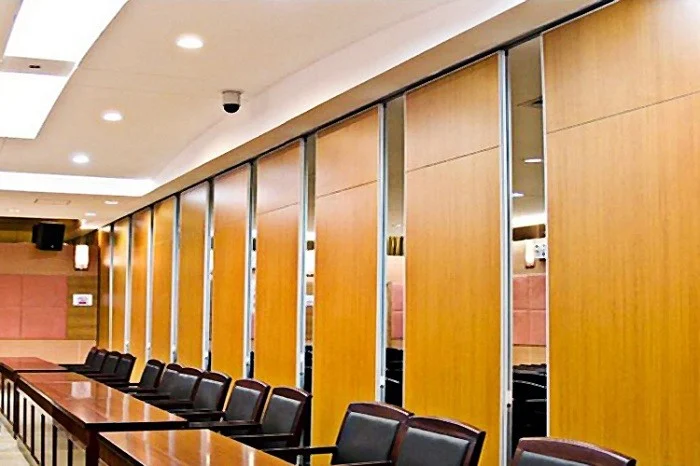
Each item is a release gate. If one is unresolved, the track crew may still be able to prepare, but the workface should not be treated as fully released.
Task Sequencing for the Track Fixing Crew
Checklist focus: movable partition track fixing crew.
The sequence below is a coordination model.
- Verify the approved layout. Confirm the opening, turning and stacking routes against the current drawing set.
- Confirm support readiness. The responsible party signs off that the supporting structure is ready for track fixing.
- Set out the track line. Mark the overhead route so ceiling and other trades can see the reserved zone.
- Install and align the track. Follow the project-specific fixing details and alignment tolerances.
- Coordinate ceiling closure. Agree the order of ceiling work around the track and any inspection access.
- Release the hanging workface. Only after track readiness is confirmed should panels be moved into the hanging zone.
- Check movement and parking. Confirm panels travel the planned route and park at the stacking position.
This sequence keeps the track crew from being treated as a single trade that can be inserted at any time. It also gives the general contractor a clear basis for daily coordination meetings.
Coordinating Panel Delivery with Track Readiness
Review focus: movable partition track fixing crew.
Panel delivery is often scheduled by procurement dates rather than installation readiness. That mismatch creates congestion and damage risk.
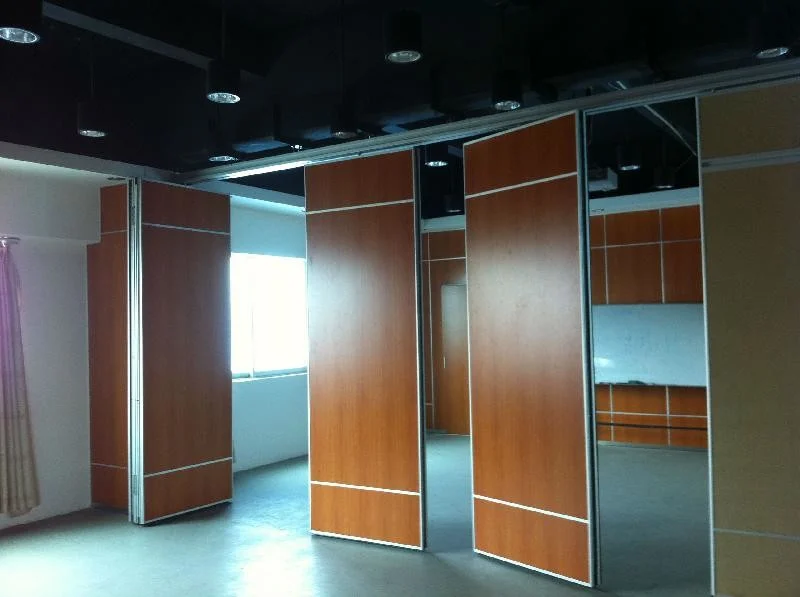
Before panels arrive, confirm that the overhead route is continuous and supported, the stacking position is clear, and the ceiling closure plan does not block access. If any of these are unresolved, consider a phased delivery or a temporary holding area agreed with the site team. The exact route, junction arrangement, continuous overhead path and parking position must be confirmed from the coordinated project drawings.
Ceiling Closure and Track Interface Planning
Ceiling closure is a common source of rework because it is often sequenced after track installation without a shared plan. The track and ceiling interface should be reviewed together. Decide who closes the ceiling, when inspection access is needed, and how the track zone is protected during adjacent works.
Where the ceiling is already closed, the track crew may need access panels or a revised sequence. These are project-specific decisions. The key planning rule is that ceiling closure should not prevent the track from being inspected, aligned or connected to the supporting structure.
Evidence Boundaries: What to Confirm Before You Commit
Visible references can support layout discussion but do not verify hidden construction or performance.
Confirmed finish options include laminate, melamine, fabric, leather, glass and other approved surfaces, but finish selection does not by itself confirm acoustic, fire or durability performance. Pass-door requirements and project documentation can be discussed with the EBUNGE team.
Frequently Asked Questions
What is the first dependency to confirm before track fixing begins?
Confirm the approved layout and the supporting structure readiness.

Can panels be delivered before the track is installed?
Delivery timing should be linked to track readiness. If panels arrive before the overhead route is ready, agree a safe holding area and a phased delivery plan with the site team.
How should ceiling closure be sequenced with track work?
Review the track and ceiling interface together. Agree who closes the ceiling, when inspection access is needed and how the track zone is protected. Ceiling closure should not block track inspection, alignment or connection to the supporting structure.
Does the finish choice affect acoustic performance?
Confirmed finish options include laminate, melamine, fabric, leather, glass and other approved surfaces.
What documentation should be available on site?
The EBUNGE team can discuss project documentation requirements with your coordination team.
Who confirms the workface release?
The general contractor or responsible site manager should confirm each release gate. The track crew, ceiling contractor and panel delivery team all depend on that confirmation. The exact overhead route and support arrangement must be confirmed by the responsible project team from coordinated drawings.
Conclusion: Plan the Release, Not Just the Task
When each gate is visible, the track crew can work without waiting for missing decisions, and panels arrive when the overhead route is ready. Keep every performance claim tied to project-specific evidence, and confirm support, acoustic and dimensional requirements with the responsible parties.
For product context, review the movable partition walls range and the planning resources. To discuss your project drawings, pass-door requirements or documentation, contact the EBUNGE team.