
Quick answer: movable partition track fixing crew
Review focus: movable partition track fixing crew.
For overseas contractors, the movable partition track fixing crew sequence workface release dependency chain is not a single installation task. The exact overhead route and support arrangement must be confirmed by the responsible project team from coordinated drawings. This article sets out a planning method that sequences those releases without inventing project-specific loads, dimensions or performance values. The exact route, junction arrangement, continuous overhead path and parking position must be confirmed from the coordinated project drawings.
What the dependency chain actually contains
Project review term: movable partition track fixing crew.
The chain has four visible links. First, the overhead support condition is released for track work. Second, the track fixing crew installs and aligns the track. Third, panels are delivered and hung. Fourth, the ceiling is closed and finishes are completed. Each link depends on the one before it, and each has its own inspection point.
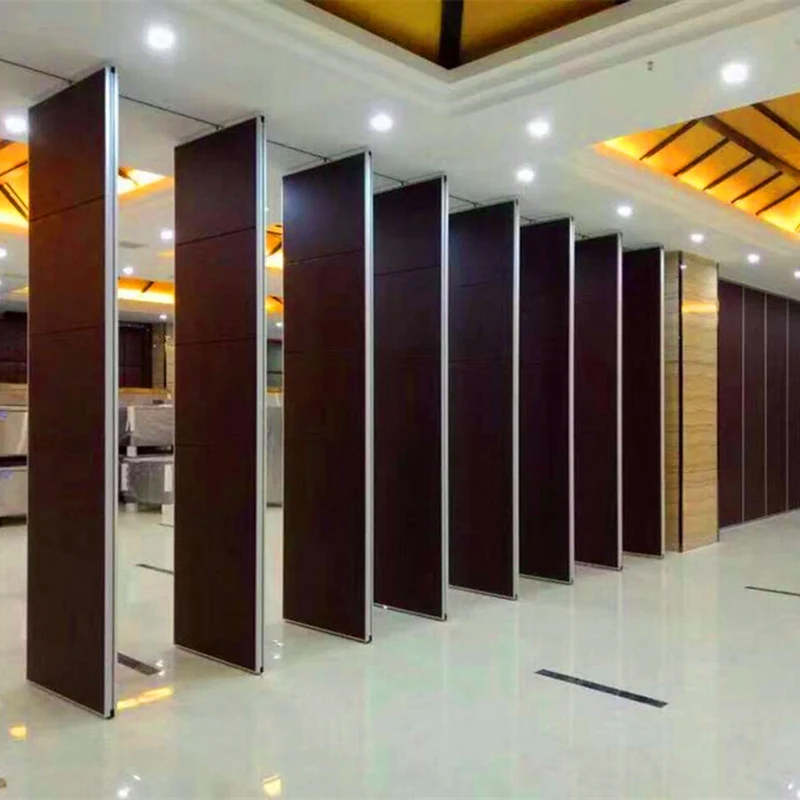
EBUNGE movable partition panels are individually movable, suspended from a top track, cross the opening without a floor track, and park at a planned stacking position. That maintained fact shapes the sequence: because there is no continuous floor running track, the overhead route and its support condition become the critical early release. Straight, turning and stacking routes are reviewed from the layout, so the route drawing must be agreed before the track crew starts.
Workface release gates before the track crew arrives
Coordination scope: movable partition track fixing crew.
A workface release is a formal confirmation that the preceding trade has finished enough for the next crew to work safely and accurately. For track fixing, the release should confirm that the overhead structure is accessible, that the route has been set out, and that no other trade will obstruct the track line during anchoring.
Gate 1: structural and route confirmation
The project team should confirm that the support condition shown on the approved drawings matches the site. Do not assume a support method from a photograph or a previous project.
Gate 2: setting-out and access release
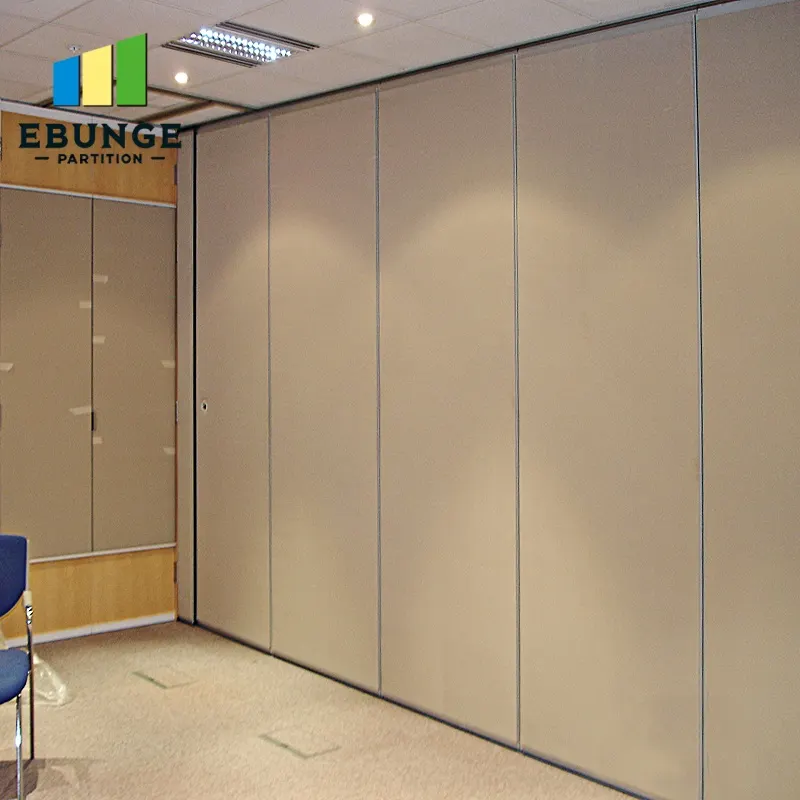
Before the crew begins, the track centreline, turning points and stacking zone should be marked and checked against the layout. Access equipment and temporary protection should be in place. Panel handling and the operating sequence must be confirmed for the selected layout and project conditions.
Track anchoring sequence and inspection hold points
Checklist focus: movable partition track fixing crew.
Track anchoring should follow a defined sequence so that alignment can be checked before panels arrive. A practical order is: confirm the route, install the track in agreed sections, check alignment and level, then record the inspection before releasing the workface to panel delivery.
- Confirm the released route and support condition against the approved drawing.
- Install the top track along the straight, turning and stacking route as one coordinated system.
- Check alignment, joints and the transition into the parking zone.
- Record the inspection result and release the workface for panel delivery.
This sequence keeps the track crew ahead of the panel crew. It also prevents panels being stored in a room where the overhead route is still open or the ceiling grid is incomplete.
Coordinating panel delivery with track readiness
Review focus: movable partition track fixing crew.
Panel delivery should be scheduled against the track inspection release, not against a calendar date alone. If panels arrive before the track is confirmed, they occupy the workface and may need protection or relocation. If they arrive after the ceiling closes, access for hanging may be restricted.
The delivery plan should state where panels will be staged, how they will be protected, and which route they will take to the opening. Because panels park at a planned stacking position, the stacking zone must be clear and coordinated with the ceiling and finishes. Confirm the stacking arrangement with the project team because parking style is customized to the layout and project requirements.
Ceiling closure dependency and finish interfaces
Ceiling closure is often the last link, but it can also be the constraint that blocks panel hanging. The ceiling should close only after the track is installed, inspected and accepted, unless the design provides a documented access strategy. Closing early without that strategy can make later adjustment difficult.
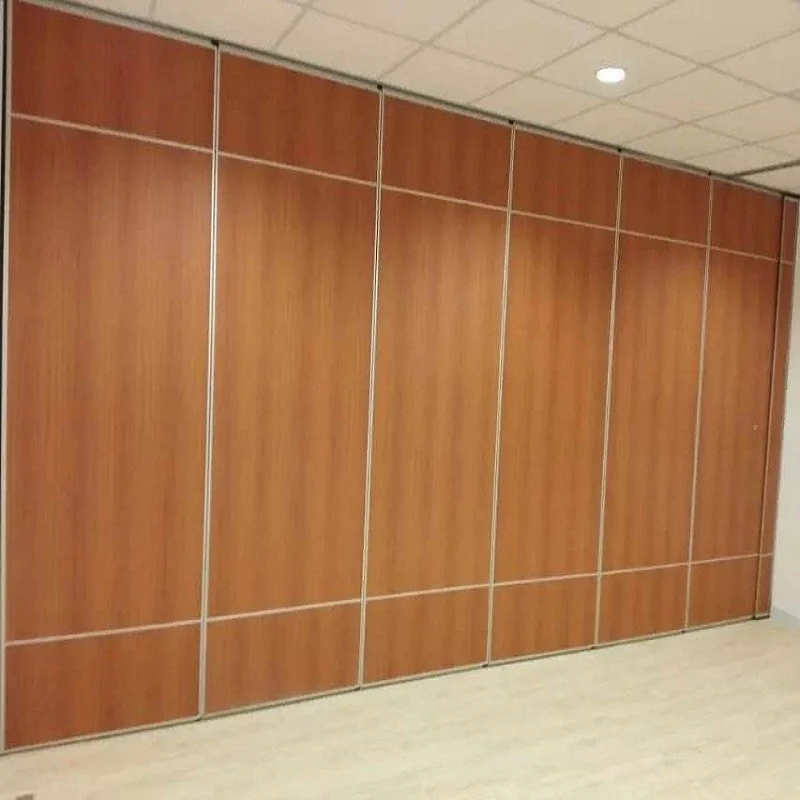
Finish interfaces matter too. Confirmed finish options include laminate, melamine, fabric, leather, glass and other approved surfaces. These are finish choices, not evidence of acoustic, fire or durability performance. The suitability of each route and parking arrangement depends on the approved layout, circulation, ceiling interfaces and operating sequence.
Evidence boundaries for the planning team
Planning statements in this article describe sequence and coordination only. They do not confirm support capacity, acoustic performance, fire performance, dimensions, loads, installation time or commercial outcomes. Those items require project-specific drawings, structural review and matching evidence.
Use the following checklist to separate confirmed information from open items before releasing each workface.
- Approved layout showing straight, turning and stacking routes.
- Track inspection record before panel delivery.
- Panel staging and protection plan.
- Ceiling closure and access strategy.
- Pass-door requirements and project documentation discussed with the supplier.
If any item is unresolved, keep the dependent workface on hold. A hold is cheaper than rework, and it protects the sequence.
Roles, records and handover between crews
Clear handover records keep the chain intact. The track crew should record what was installed and inspected. The panel crew should record what was hung and what remains. The ceiling crew should record what was closed and what access remains. These records support the final inspection and any later adjustment.
For broader planning resources, see the EBUNGE resources page. Project-specific support, acoustic and dimensional requirements should be confirmed with the EBUNGE team before fabrication or site release.
Frequently asked questions
What is a workface release in movable partition installation?
It is a formal confirmation that the preceding trade has finished enough for the next crew to work. For track fixing, it confirms the overhead support condition, the route set-out and safe access.
Can panels be delivered before the track is installed?
Delivery should follow the track inspection release. Early delivery can block the workface and expose panels to damage before the overhead route is confirmed.
When should the ceiling be closed?
Close the ceiling after the track is installed, inspected and accepted, unless the design provides a documented access strategy agreed by the project team.
Does a movable partition need a floor track?
EBUNGE movable partition panels are top-hung and cross the opening without a floor track. The overhead route must be continuous and supported as reviewed for the project.
How are straight, turning and stacking routes planned?
They are reviewed from the layout. The approved drawing should show each route and the planned parking position before the track crew begins.
Can acoustic performance be confirmed from the finish?
No.
Conclusion and next step
The movable partition track fixing crew sequence workface release dependency chain works when each release is treated as a gate: support confirmed, track installed and inspected, panels delivered, ceiling closed. Keep the sequence visible on the programme and hold dependent work when an item is unresolved.