
Quick answer: movable partition track fixing crew mobilization staging material laydown sequencing
Review focus: movable partition track fixing crew mobilization staging material laydown sequencing.
Movable partition track fixing crew mobilization staging material laydown sequencing is a pre-installation planning discipline. It decides who arrives, when, and where materials sit before the first fixing point is set. For overseas B2B teams, this framework reduces site friction without asserting project-specific outcomes. The suitability of each route and parking arrangement depends on the approved layout, circulation, ceiling interfaces and operating sequence. Confirm project-specific support, acoustic and dimensional requirements with the responsible engineer before work begins.
Why Sequence Before Track Fixing Starts
Project review term: movable partition track fixing crew mobilization staging material laydown sequencing.
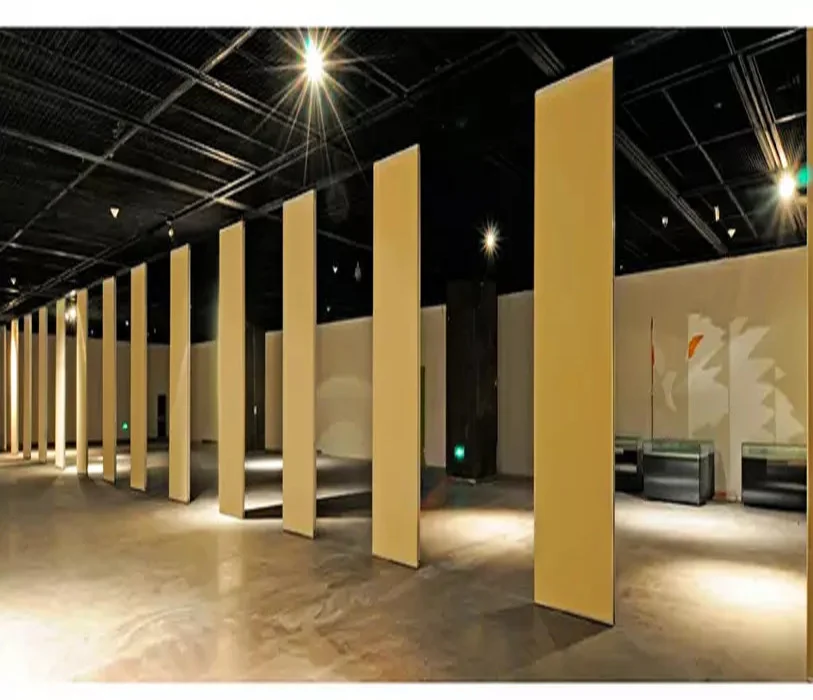
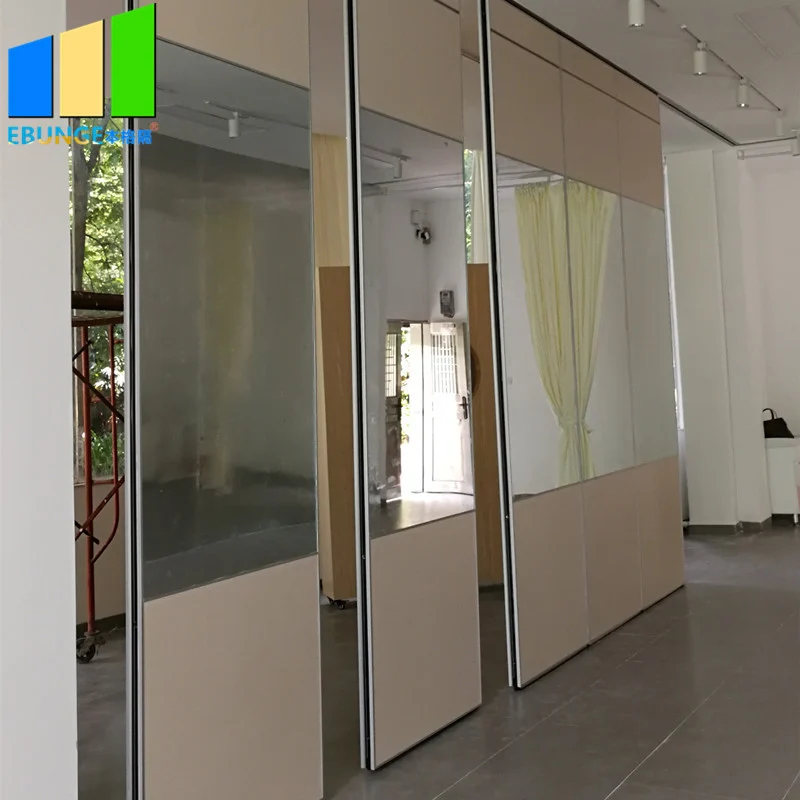
Track fixing depends on a continuous connected overhead route. EBUNGE movable partition panels are individually movable, suspended from a top track, cross the opening without a floor track, and park at a planned stacking position. Straight, turning and stacking routes are reviewed from the layout. If crew and materials arrive before that route is confirmed, rework risk rises.
Sequencing is not a schedule promise. It is a coordination method: define the order of site readiness, then align crew mobilization and material laydown to that order.
Information Required Before Mobilization
Coordination scope: movable partition track fixing crew mobilization staging material laydown sequencing.
Do not mobilize a track fixing crew against a verbal scope. Collect the documents that define the work envelope first. Where a document is missing, record it as an open item rather than assuming a value.
- Approved layout showing straight, turning and stacking routes.
- Confirmed panel finish schedule: laminate, melamine, fabric, leather, glass or other approved surfaces.
- Pass-door requirements and project documentation for review.
- Site access, hoisting and storage constraints agreed with the main contractor.
- Inspection and handover points named by the project team.
This list is a starting point. Add any item the project engineer identifies as necessary for support, acoustic or dimensional confirmation.
A Four-Stage Crew Mobilization Framework

Checklist focus: movable partition track fixing crew mobilization staging material laydown sequencing.
Treat mobilization as a staged release, not a single date. Each stage unlocks the next only when its entry condition is met.
- Pre-mobilization review. Confirm drawings, route logic and open items. No crew release until the route is agreed.
- Site readiness check. Verify access, overhead conditions and laydown space. Record deviations.
- Track fixing crew release. Mobilize only the crew scope defined for the confirmed route.
- Panel and finish follow-on. Sequence panel delivery and finish protection after track readiness is accepted.
Each stage should have a named owner and a written entry condition.
Staging Zones and Material Laydown Sequencing
Review focus: movable partition track fixing crew mobilization staging material laydown sequencing.
Laydown sequencing protects both the product and the programme. Panels and track components should not compete for the same circulation path as other trades.
Define three zones
Use a receiving zone, a protected staging zone and a point-of-installation zone. Keep them physically separate where the site allows. The receiving zone absorbs deliveries; the staging zone holds inspected material; the point-of-installation zone holds only what is being fixed that day.
Sequence by route, not by convenience
Material should move in the same order as the reviewed route. The exact route, junction arrangement, continuous overhead path and parking position must be confirmed from the coordinated project drawings.
Coordination Checklist for Overseas Teams
Use this checklist in the pre-installation meeting. It is a coordination aid, not a certification of site conditions.
- Route drawings issued and reviewed.
- Overhead support coordination confirmed by the responsible engineer.
- Laydown zones marked and protected.
- Finish schedule matched to the approved surfaces list.
- Pass-door and documentation queries logged.
- Handover and inspection points agreed.
- Open items assigned with owners and dates.
Any unchecked item should be treated as a hold point. Confirm project-specific support, acoustic and dimensional requirements before releasing the next stage.
Evidence Boundaries and Acoustic Concepts
A partition’s acoustic behaviour depends on the whole assembly, the interface conditions and the project-specific design.
Do not infer performance from a finish, a photograph or a drawing. Comparative, absolute and causal statements require matching evidence. Where evidence is not available, state the confirmation boundary instead of filling the gap.
Evidence note: this framework describes planning sequence only. It does not confirm support capacity, acoustic outcome, dimensional fit or site readiness for any specific project.
Common Sequencing Mistakes to Avoid
Most installation friction comes from planning assumptions, not from the product itself. Watch for these patterns.
Mobilizing before route review
If the straight, turning and stacking routes are not reviewed from the layout, crew release is premature. The route defines where material can travel and where it can park.
Using one laydown area for everything
Mixing receiving, staging and installation material creates double handling and damage risk. Separate the zones where site conditions allow.
Treating finishes as interchangeable
Laminate, melamine, fabric, leather, glass and other approved surfaces have different handling and protection needs. Sequence delivery to match the approved finish schedule.
FAQ: Track Fixing Crew and Material Sequencing
What is movable partition track fixing crew mobilization staging material laydown sequencing?
It is the planned order in which a track fixing crew is released to site and in which partition materials are received, staged and moved to the installation point. It is agreed before track fixing begins.
Which documents should be confirmed before crew mobilization?
At minimum, the approved layout showing straight, turning and stacking routes, overhead coordination drawings, the finish schedule and any pass-door or project documentation requirements. Add items the project engineer identifies.
Do movable partition panels need a floor track?
EBUNGE movable partition panels are top-hung and move without a continuous floor running track or floor hardware along the partition line.
How should laydown areas be arranged on site?
Separate receiving, protected staging and point-of-installation zones where possible. Keep the reviewed movement route clear and sequence material in the same order as that route.
Can acoustic performance be confirmed from the finish alone?
No. Confirm acoustic requirements with the responsible project team and matching evidence.
When should the next stage be released?
Only when the entry condition for that stage is met and recorded. Treat unchecked coordination items as hold points rather than assumptions.
Conclusion and Next Step
Sequencing crew mobilization and material laydown before track fixing starts gives overseas project teams a clearer handover path. Use the layout to define routes, stage the crew release, separate laydown zones and record every open item. Keep all support, acoustic and dimensional decisions project-specific.
To discuss pass-door requirements, finish options or project documentation, contact the EBUNGE team. Review the movable walls product range and the planning resources before your next coordination meeting.