
Quick answer: track fixing crew certification
Review focus: track fixing crew certification.
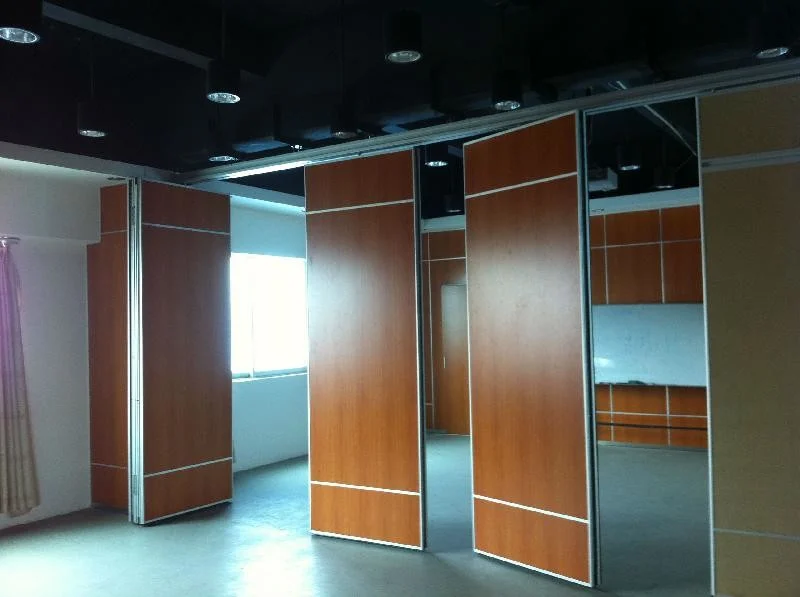
Movable partition track fixing crew certification competency verification is a pre-mobilization control that overseas contractors can use to confirm a crew is qualified before it reaches site. Because EBUNGE movable partition panels are individually movable, suspended from a top track, cross the opening without a floor track, and park at a planned stacking position, the overhead route and its fixing points are central to installation planning. This article sets out a structured verification framework for project teams. It does not replace project-specific support, acoustic or dimensional confirmation, and it does not infer engineering outcomes from documents alone.
Why Track Fixing Crew Verification Belongs in Pre-Mobilization Planning
Project review term: track fixing crew certification.
Track fixing sits at the interface between the partition system and the building structure. The layout review covers straight, turning and stacking routes, and each route depends on a continuous connected overhead path. If the crew fixing the track does not understand the approved route, the consequences appear later as rework, delay or unresolved coordination items.
Verification before mobilization is therefore a risk-control step, not a paperwork exercise. It gives the contractor, architect and owner a shared basis for confirming who will install the track, what evidence supports their competence, and which project-specific requirements still need written confirmation.
What Certification and Competency Evidence Can and Cannot Show
Coordination scope: track fixing crew certification.
Certificates and training records are visible evidence. They can show that a person completed a course, passed an assessment or holds a trade qualification. They cannot, by themselves, prove that the crew understands this project’s track route, support conditions or stacking position.
Competency verification combines document review with demonstrated understanding. The suitability of each route and parking arrangement depends on the approved layout, circulation, ceiling interfaces and operating sequence.
Evidence note: keep the boundary visible
Certification documents confirm training or assessment records only. They do not confirm structural capacity, acoustic performance, dimensional fit or a application reference. Those items require project-specific review and written confirmation.
A Six-Step Verification Process for Overseas Project Teams

Checklist focus: track fixing crew certification.
- Define the track scope. Identify the straight, turning and stacking routes from the approved layout, and confirm which overhead path is continuous and connected.
- List required credentials. State the trade qualifications, safety training and manufacturer or system training that the project requires, without assuming a universal standard.
- Request evidence before mobilization. Collect certificates, training records and references for the proposed crew, and check that names match the people who will attend site.
- Run a drawing-based competency interview. The exact route, junction arrangement, continuous overhead path and parking position must be confirmed from the coordinated project drawings.
- Confirm project-specific interfaces. Record who is responsible for support conditions, ceiling coordination and any pass-door requirements.
- Issue a mobilization decision. Approve, approve with conditions, or hold. Document the reason and the items still open.
Decision Checklist Before the Crew Travels
- Approved layout shows straight, turning and stacking routes.
- Overhead route is continuous and connected for every proposed movement path.
- Track fixing crew names match submitted certification and training records.
- Competency interview completed against the current drawing revision.
- Support, acoustic and dimensional requirements flagged for project-specific confirmation.
- Pass-door requirements and project documentation discussed with the responsible parties.
- Open items assigned an owner and a required response date.
Coordinating Certification Evidence with the Wider Project Team
Track fixing does not happen in isolation. The architect or designer confirms the layout intent, the contractor coordinates trades, and the owner or operator confirms how the space must function. Certification evidence should flow through the same coordination channel as the drawings.
Where the project uses laminate, melamine, fabric, leather, glass or other approved surfaces, finish coordination is separate from track fixing competence.
Compact comparison: document review versus demonstrated competency
| Verification item | What it can support | What still needs confirmation |
|---|---|---|
| Trade certificate | Record of training or assessment | Understanding of this project’s track route |
| Safety training record | Site access eligibility | Method statement and site-specific risks |
| Drawing-based interview | Demonstrated route comprehension | Support conditions and dimensional fit |
| Reference list | Past work context | Performance on comparable overhead routes |
Common Verification Gaps That Cause Rework
One recurring gap is treating a certificate as a complete competency check. Another is verifying the crew against an outdated drawing revision. A third is leaving support conditions unresolved until the crew is already on site.
Each gap is avoidable through the same discipline: confirm the current layout, confirm the responsible party, and record the boundary of what has been verified.
Frequently Asked Questions

What documents should a track fixing crew submit before mobilization?
Request trade qualifications, safety training records and any system-specific training evidence the project requires. Also ask for the names of the individuals who will attend site, so the documents can be matched to the actual crew.
Can certification alone confirm a crew is competent for this project?
No. Certification confirms a training or assessment record. Competency for this project also depends on understanding the approved straight, turning and stacking routes, and on project-specific support and dimensional confirmation.
How does the layout affect track fixing verification?
The layout defines the routes the panels will follow. Review the layout with the crew before mobilization so the drawing revision and the route are aligned.
What should be confirmed about the overhead route?
Every proposed movement path requires a continuous connected overhead route and project-specific support review.
Where do pass-door requirements fit into verification?
Pass-door requirements and project documentation can be discussed as part of installation planning. They should be recorded alongside the track scope so the crew and the project team share the same understanding before work begins.
Does finish selection affect crew certification?
Finish selection and crew certification are separate topics.
Conclusion: Verify Before You Mobilize
A structured movable partition track fixing crew certification competency verification process helps overseas project teams reduce rework risk from unqualified labor. Define the track scope, request evidence, interview against the current drawing, confirm project-specific interfaces, and document the mobilization decision.
Keep every conclusion inside its evidence boundary. Confirm project-specific support, acoustic and dimensional requirements with the responsible parties before installation. For product context, review the movable walls range and the planning resources, then contact the EBUNGE team to discuss your project documentation and pass-door requirements.