
Quick answer: movable partition track anchor setting-out datum transfer protocol
Review focus: movable partition track anchor setting-out datum transfer protocol.
A movable partition track anchor setting-out datum transfer protocol is the coordination step that prevents two trades from fixing to two different versions of the same line. The suitability of each route and parking arrangement depends on the approved layout, circulation, ceiling interfaces and operating sequence. At the track anchor interface, those two references must be reconciled before either trade commits. This article sets out a reviewable protocol for that transfer, bounded by maintained product facts and project-specific drawing review.
Why the Track Anchor Interface Is a Datum Conflict Point
Project review term: movable partition track anchor setting-out datum transfer protocol.
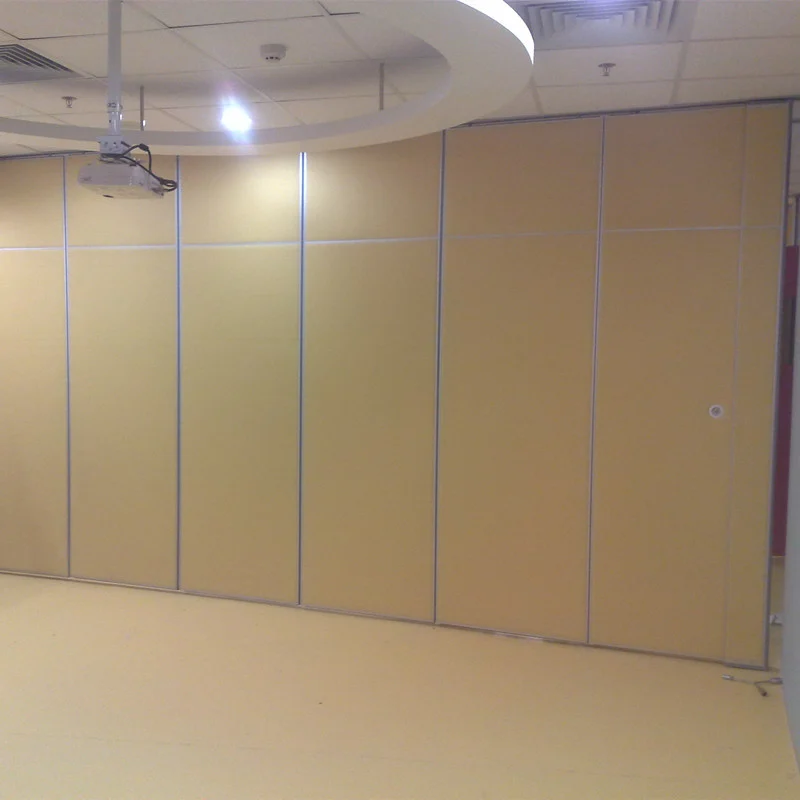
Movable wall panels are individually movable, suspended from a top track, cross the opening without a floor track, and park at a planned stacking position. That operating logic means the overhead route carries the alignment burden.
The conflict is procedural, not personal. Each trade is working correctly to its own issued datum. The protocol exists to create one agreed transfer record at the interface, so the track anchor setting-out is checked against both references before fixing begins.
Define the Two Datum Families Before Any Transfer
Coordination scope: movable partition track anchor setting-out datum transfer protocol.
Structural grid origins
They are typically established early and tied to the building’s primary geometry. They are stable references, but they are not automatically the correct reference for a ceiling opening or a partition track line.
Ceiling trade benchmarks
Ceiling trade benchmarks are the references used to set finished ceiling levels, openings and perimeter conditions. They reflect the ceiling zone as built and coordinated.
Neither family should be assumed to govern. The protocol reconciles them.
A Six-Step Datum Transfer Protocol
Checklist focus: movable partition track anchor setting-out datum transfer protocol.
- Issue a single interface drawing. Do not rely on two separate trade drawings being read together on site.
- Nominate one transfer point. Choose a clearly identifiable location on the track line where both datum families can be measured and recorded. Avoid ambiguous points such as a finished wall face that may move.
- Record both readings at the transfer point. Do not average them or adjust one to match the other at this stage.
- Compare the readings against the coordinated drawing. Identify whether the difference is within the project’s agreed setting-out tolerance or requires a design response.
- Resolve the difference before fixing. If the readings conflict, the resolution belongs to the project’s design and coordination process, not to the installer on the day.
- Sign off the transfer record.
What the Transfer Record Should Contain
A transfer record is a coordination document, not a performance certificate. It should identify the drawing revision, the transfer point, the two datum readings, the agreed governing reference, the date, and the parties who confirmed it. It should also note any open item that requires project-specific support, acoustic or dimensional confirmation.
Keep the record with the project’s coordination documentation. If the ceiling benchmark changes later, the record shows what was agreed and what needs to be re-checked.
Reconciling the Route, Not Just the Anchor
The track anchor is one point on a route. Straight, turning and stacking routes are reviewed from the layout, and every proposed movement path requires a continuous connected overhead route with project-specific support review. A datum transfer that aligns the anchor but ignores the route can still leave the partition unable to reach its planned stacking position.
Before fixing, confirm that the agreed track line supports the full route shown on the layout, including any turning or stacking condition. This is a drawing review step, not an assumption from a single anchor point.
Evidence Boundaries at the Ceiling Interface
Do not infer support capacity, acoustic performance, fire performance, dimensional limits or installation outcomes from a visible ceiling condition, a finish sample or a single drawing. Those items require project-specific confirmation.
Where acoustic separation matters, confirm the project-specific requirement with the relevant design team.
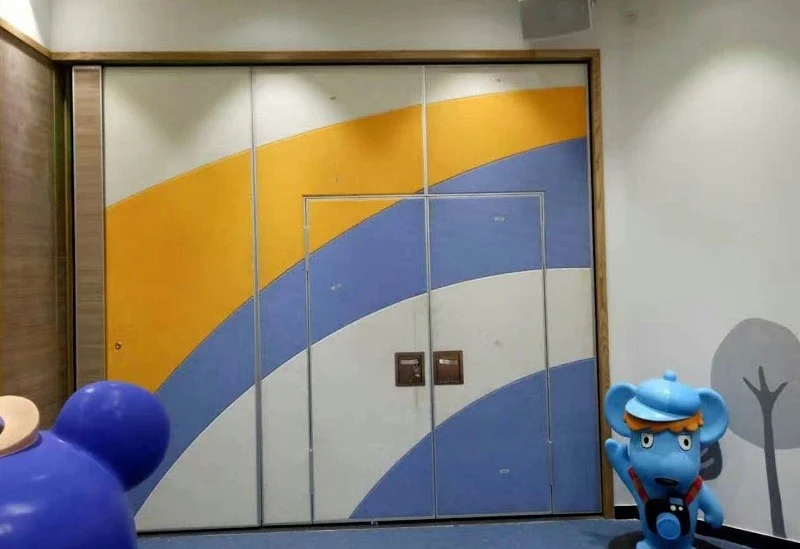
Finish options such as laminate, melamine, fabric, leather, glass and other approved surfaces are confirmed selections.
Coordination Checklist Before Either Trade Fixes
- One coordinated interface drawing issued and current.
- Transfer readings recorded independently and compared.
- Governing reference agreed and documented.
- Full route, including turning and stacking, checked against the agreed line.
- Pass-door requirements and project documentation discussed where relevant.
- Open items listed for project-specific support, acoustic and dimensional confirmation.
Frequently Asked Questions
Who should own the datum transfer at the track anchor interface?
Ownership is a project decision, not a product decision.
Can the ceiling benchmark simply be adjusted to match the structural grid?
Not automatically. The correct governing reference depends on the coordinated design. Adjusting one datum to match the other without review can move the conflict rather than resolve it.
Does the track anchor setting-out need to be complete before ceiling works start?
The agreed reference should be established before either trade fixes. Sequencing details depend on the project programme and should be confirmed in the coordination plan.
How does the stacking position affect the datum transfer?
Parking style is customized to the customer layout and project requirements. The agreed track line must support the full route to the planned stacking position, so the stacking condition should be reviewed as part of the same coordination step.
What if the structural grid and ceiling benchmark readings differ?
Record the difference and resolve it through the project’s design and coordination process before fixing. Do not resolve it by assumption on site.
Can EBUNGE confirm support or acoustic requirements from a drawing?
No. The exact route, junction arrangement, continuous overhead path and parking position must be confirmed from the coordinated project drawings. Product documentation and drawing review can be discussed through the contact channel.
Conclusion and Next Step
A movable partition track anchor setting-out datum transfer protocol is a small coordination step with a large effect on whether the overhead route works as drawn. By defining both datum families, recording both readings at one transfer point, and agreeing the governing reference before either trade fixes, project teams reduce the risk of a late interface conflict.
Review the maintained product context on the movable walls page, and use the resources section for further planning guidance. For project-specific support, acoustic and dimensional confirmation, contact EBUNGE with your layout and coordination drawings.