
Quick answer: tender returnable schedule cross
Review focus: tender returnable schedule cross.
A movable partition tender returnable schedule cross-check is the discipline of comparing every bid document against the issued drawings, the required movement routes and the finish schedule before award. It is not a review of price alone. It is a structured verification that each returnable answers the same question the design team asked. For overseas contractors, architects, interior designers, owners and renovation teams, this cross-check reduces the risk of awarding a bid that later needs clarification on scope, interfaces or documentation.
Why the Returnable Schedule Deserves Its Own Review
Project review term: tender returnable schedule cross.
A tender package for movable partitions usually contains a specification, drawings, a returnable schedule and a pricing section. The returnable schedule is where bidders confirm what they will supply. If that schedule is not cross-checked, gaps can remain hidden until the submittal stage. A missing confirmation about the top track route, for example, may not appear in the price comparison.
The cross-check is a coordination exercise. It brings the procurement team, the design team and the site team onto the same page. It also creates a clear record of what was confirmed at tender stage and what still requires project-specific review.
Start With the Drawing Set and the Movement Routes
Coordination scope: tender returnable schedule cross.
Before reading any bid, confirm that the tender drawings show the full movement path. EBUNGE movable wall panels are individually movable, suspended from a top track, cross the opening without a floor track, and park at a planned stacking position. The cross-check must verify that the bidder has reviewed straight, turning and stacking routes from the layout.
What to look for on the layout
- The opening width and the clear height available for the top track.
- The straight run of the partition line and any turning points.
- The planned stacking position and the space reserved for parked panels.
- The suitability of each route and parking arrangement depends on the approved layout, circulation, ceiling interfaces and operating sequence.
The exact route, junction arrangement, continuous overhead path and parking position must be confirmed from the coordinated project drawings. Every proposed movement path requires a continuous connected overhead route and project-specific support review. If the drawings do not show this, the returnable schedule should be queried rather than interpreted.
Cross-Check the Finish Schedule Against the Bid
Checklist focus: tender returnable schedule cross.
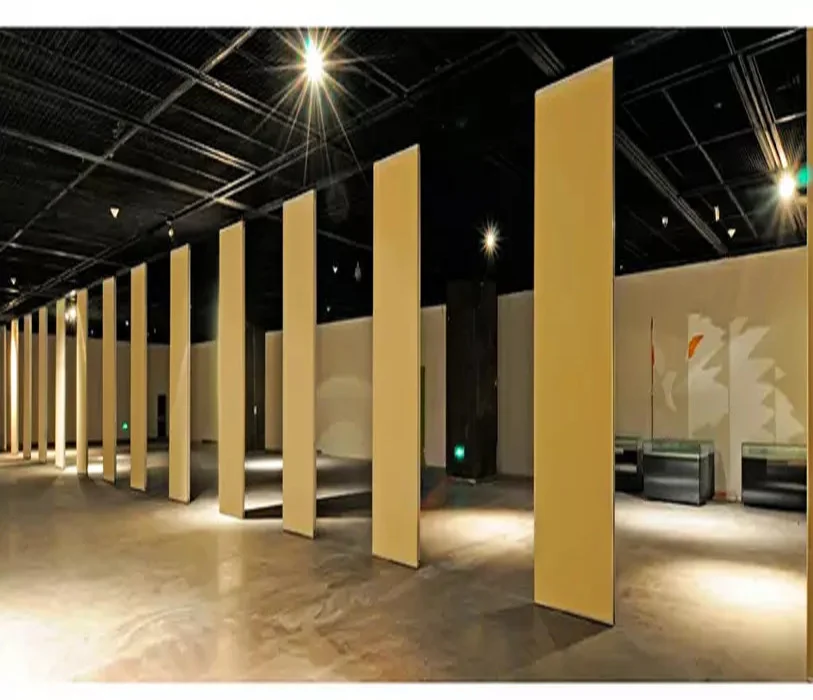
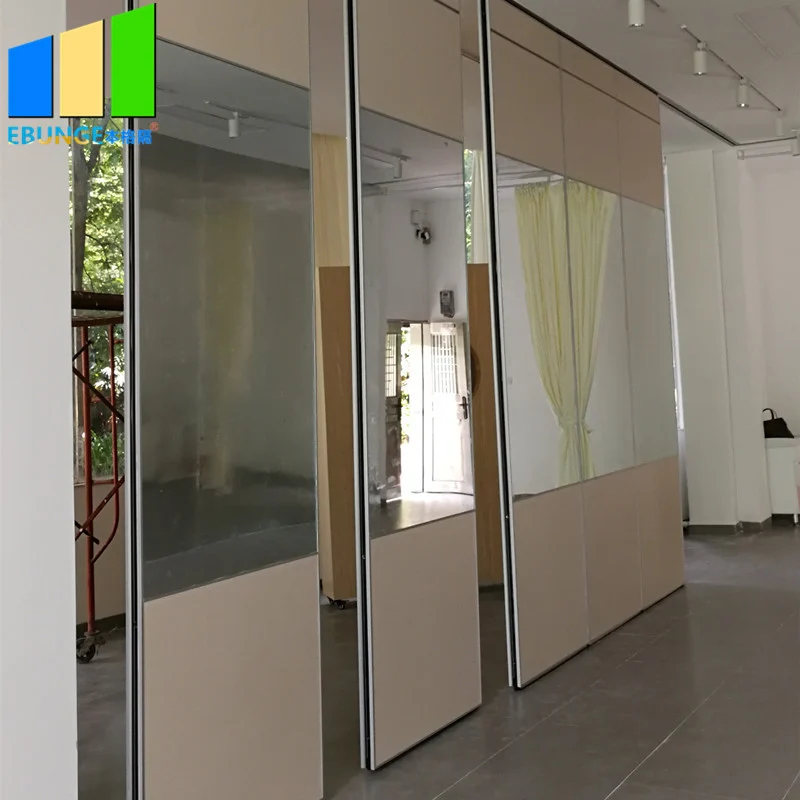
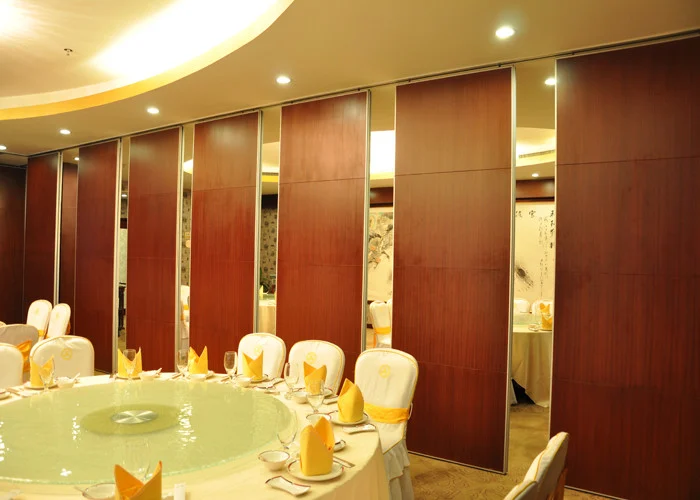
Finish is one of the most common areas of mismatch. Confirmed finish options include laminate, melamine, fabric, leather, glass and other approved surfaces. The cross-check should confirm that the bidder has priced the finish stated in the tender, not a generic alternative.
Finish cross-check table
| Tender item | What the bid should confirm | Evidence limit |
|---|---|---|
| Finish type | Named finish from the schedule | Do not infer cleaning or durability from a sample image |
| Finish location | Which face and which room | Confirm on the elevation, not from memory |
| Pass-door requirement | Whether a pass-door is required | Discuss project documentation and pass-door requirements directly |
| Documentation | Submittals, samples and approvals | Confirm the required list with the project team |
Those are separate project-specific confirmations.
Use a Numbered Cross-Check Process
- Collect the tender specification, drawings, returnable schedule and finish schedule into one folder.
- Mark every returnable line that refers to a drawing, a route or a finish.
- Compare each line against the current drawing revision, not an earlier issue.
- List any line where the bidder has substituted a generic description for the tender requirement.
- Separate technical queries from commercial queries so each is answered by the right person.
- Record the outcome of each query in a single clarification log.
- Re-issue the log to all bidders so the comparison remains fair.
This process keeps the cross-check auditable. It also prevents a late discovery that a bidder assumed a different stacking position or a different finish.
Acoustic and Sealing Concepts: Keep the Language Precise
A movable partition’s acoustic behaviour depends on the complete assembly, the interface conditions and the project-specific design.
Seals and acoustic concepts can be explained generically, but the tender cross-check should not convert a generic concept into a guaranteed result. If the specification states an acoustic requirement, the returnable schedule should confirm that the bidder has allowed for the required documentation and review. Final acoustic confirmation remains project-specific.
Evidence Notes for the Cross-Check File
Every claim in a bid should be traceable to a drawing, a schedule or a written clarification. If it is not, mark it as an open item rather than filling the gap with an assumption.
Keep an evidence note for each open item. State what was asked, what was returned and what still requires confirmation. This is especially important for support, acoustic and dimensional requirements, which cannot be resolved from a catalogue image alone.
For maintained product context, refer to the movable walls product page and the resources section. These support general planning but do not replace project-specific engineering review.
Common Cross-Check Failures to Avoid
Treating a bid as a completed design
A bid is a response to a tender, not a substitute for coordinated drawings. The cross-check should confirm that the bidder has reviewed the layout, not assume that the bidder has resolved it.
Comparing prices before scope
Price comparison is only meaningful after the returnable schedules have been aligned. Otherwise, a lower price may simply reflect a smaller scope.
Leaving interfaces unassigned
Top track support, ceiling interface and stacking position are common interface points. The cross-check should identify who confirms each one and by when.
Frequently Asked Questions
What is a movable partition tender returnable schedule cross-check?
It is a structured comparison of each bidder’s returnable schedule against the tender drawings, movement routes, finish schedule and clarification log before award.
Which documents should be included in the cross-check?
Include the specification, current drawing revision, returnable schedule, finish schedule, pass-door requirements and any written clarifications issued during the tender period.
Can the cross-check confirm acoustic performance?
No.
How should stacking and parking be checked?
Confirm that the bidder has reviewed the planned stacking position from the layout and that the overhead route is continuous and supported. Parking style is customized to the customer layout and project requirements.
What should happen when a returnable is unclear?
Raise a written clarification, record it in the log and re-issue to all bidders. Do not resolve the ambiguity by assumption.
When should the project team contact the supplier?
Use the contact page to start that conversation.
Conclusion: Cross-Check Before You Commit
A movable partition tender returnable schedule cross-check is a low-cost habit that protects the project from avoidable clarification later. It keeps every bidder answering the same question and keeps every open item visible. Confirm project-specific support, acoustic and dimensional requirements with the project team before award. For product context, review the movable walls range, and for project-specific discussion, reach out through the contact page.