
Quick answer: tender query response ownership transfer
Review focus: tender query response ownership transfer.
The movable partition wall tender query response ownership transfer award stage is where unresolved bidder questions and their scope-impact decisions either survive into delivery or quietly disappear. The suitability of each route and parking arrangement depends on the approved layout, circulation, ceiling interfaces and operating sequence. This framework helps procurement reviewers hand over those open items deliberately, using maintained product facts and project-specific drawing review rather than inferred performance.
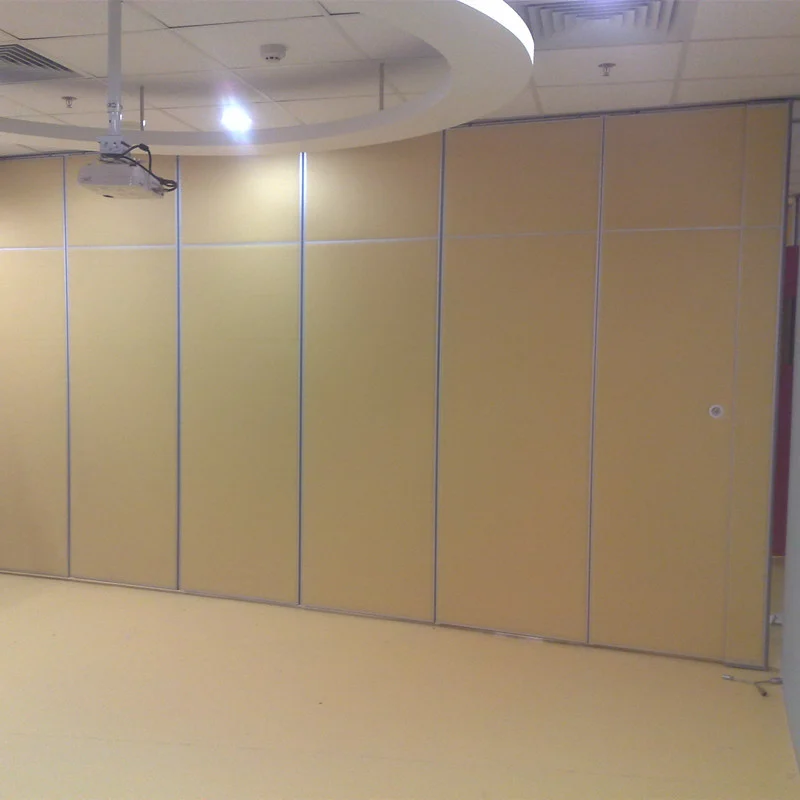
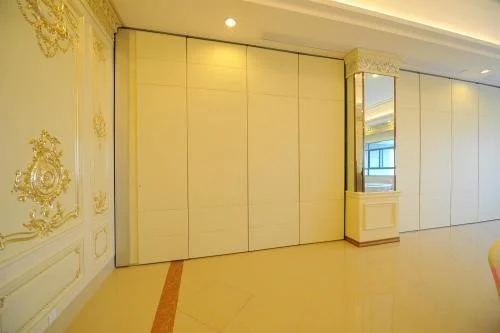
Movable partitions are top-hung: panels are individually movable, suspended from a top track, cross the opening without a floor track, and park at a planned stacking position. Straight, turning and stacking routes are reviewed from the layout. That layout dependency is exactly why unresolved tender queries must transfer with their scope-impact decisions intact.
Why Query Ownership Breaks Down at Award
Project review term: tender query response ownership transfer.
Tender clarification is a live conversation. Bidders ask about route geometry, finish selection, pass-door requirements and documentation. The evaluation team answers, prices the answer, and moves on. At award, the file is closed and a different person inherits the contract.
Without a formal transfer, three failures recur. First, a priced scope adjustment is treated as a courtesy note rather than a contractual position.
The difference between a closed query and a transferred decision
A closed query means the evaluation team has responded. A transferred decision means the response, its scope impact, its drawing dependency and its owner have moved into the contract administration file. Only the second protects the project.
A Six-Step Handover Process for Procurement Reviewers
Coordination scope: tender query response ownership transfer.
Use a repeatable sequence so nothing depends on memory or inbox search.
- Freeze the clarification log. Export every bidder question, response, attachment and drawing revision referenced at the moment of award recommendation.
- Tag each item by status. Mark items as resolved, resolved with priced scope change, or unresolved and requiring post-award confirmation.
- Attach the scope-impact decision. For each priced change, record what was added, removed or deferred, and which schedule line reflects it.
- Name a single owner. Assign each open item to the post-award contract administrator, not to a team mailbox.
- Link the governing drawing set. State the revision that the response assumed, because route and stacking reviews depend on layout.
- Obtain written acknowledgement. The administrator confirms receipt and accepts custody of the open items before the contract is administered.
Scope-Impact Decisions That Commonly Need Transfer
Checklist focus: tender query response ownership transfer.
Not every query carries commercial weight. The ones that do usually touch layout, finish or documentation.
| Query type | Typical scope impact | Transfer requirement |
|---|---|---|
| Route or stacking geometry | Layout review and parking position | Governing drawing revision and confirmation status |
| Finish selection | Approved surface schedule | Confirmed finish option and approval record |
| Pass-door requirement | Opening configuration | Written requirement and project documentation note |
| Acoustic expectation | Project-specific confirmation | Stated requirement, not an inferred rating |
| Documentation package | Submittal and approval flow | Named recipient and required format |
Confirmed finish options include laminate, melamine, fabric, leather, glass and other approved surfaces. Pass-door requirements and project documentation can be discussed with the supplier. Treat each row as a decision to hand over, not as a performance claim.
Evidence Boundaries the Administrator Must Inherit
The post-award administrator needs to know what the tender did not establish. Otherwise an unanswered query becomes an assumed capability.

Evidence note: A tender response confirms commercial and scope positions. It does not confirm acoustic performance, structural capacity, support points, installation method or dimensional outcomes unless project-specific evidence accompanies it. STC and Rw are rating concepts used to describe acoustic performance; they should not be reduced to a direct count of decibels or treated as a guarantee. Confirm project-specific support, acoustic and dimensional requirements with the supplier and the design team.
This boundary protects both sides. It prevents the administrator from treating a finish sample as proof of cleaning compatibility, or a layout sketch as proof that every movement path is supported.
Questions to ask before signing the handover
- Does every open item have a named owner and a due point in the programme?
- Is the drawing revision stated for each route, turning or stacking response?
- Are priced scope adjustments traceable to a schedule line?
- Are unresolved acoustic, support and dimensional items flagged for project-specific confirmation?
- Has the administrator acknowledged custody in writing?
Coordinating the Transfer with Design and Delivery Teams
Procurement rarely owns the answers alone. Architects and interior designers hold the layout intent; contractors hold the programme; the owner holds the acceptance criteria. The transfer should copy the relevant discipline so the administrator knows who to consult when an open item matures.
If that drawing changes after award, the transferred decisions must be re-checked against the new revision rather than assumed to remain valid.
Common Transfer Mistakes and How to Avoid Them
Most losses are procedural, not technical. A response stored only in a bidder portal may become inaccessible after the portal closes. An unresolved acoustic question may be treated as settled because no one objected.
Mitigate by exporting the full clarification record into the contract file, restating each priced adjustment in the award recommendation, and listing unresolved items as explicit post-award actions. Keep the language factual: state what was asked, what was answered, what remains open and who owns it.
Frequently Asked Questions
What is tender query response ownership transfer at contract award?
It is the formal handover of unresolved bidder questions, their responses and their scope-impact decisions from the evaluation team to the post-award contract administrator, so priced adjustments and open confirmations are not lost when the contract begins.
Which movable partition queries usually remain open at award?
Route and stacking geometry, finish approval, pass-door requirements, acoustic expectations and documentation format are common. Each depends on project-specific drawings and confirmations rather than generic assumptions.
How should priced scope adjustments be recorded?
Record what changed, which schedule line reflects it, and which drawing revision the change assumed. The administrator should be able to trace the adjustment without reopening the tender file.
Can a tender response confirm acoustic performance?
No.
What drawing information should transfer with the query log?
The governing layout revision showing straight, turning and stacking routes, plus any finish schedule or pass-door detail referenced in the responses. If the layout changes, the transferred decisions need re-checking.
Who should own unresolved items after award?
A named post-award contract administrator should own them, with discipline contacts copied for layout, programme and acceptance questions. Team mailboxes dilute accountability.
Conclusion and Next Step
Transferring query ownership is a discipline, not a document. Freeze the clarification log, tag each item, attach its scope impact, name an owner, link the governing drawing and obtain written acknowledgement. Done consistently, the movable partition wall tender query response ownership transfer award process keeps priced decisions and open confirmations visible throughout delivery.
Review the maintained product context at movable wall systems, browse further planning guidance in our resources library, and contact EBUNGE to discuss pass-door requirements, project documentation and layout-specific route review for your next tender.