
Quick answer: tender query response ownership register
Review focus: tender query response ownership register.
During tender review for a movable partition wall package, the movable partition wall tender query response ownership register is the single record that shows who answered each clarification and whether that answer changed the priced scope before award. Without it, a reviewer may treat a supplier’s reply, a consultant’s note and a contractor’s assumption as one voice. This framework separates authorship from commercial effect so that every line can be traced back to a discipline and a document.
The register does not decide the outcome. It records what was asked, who answered, what evidence was attached and whether the priced scope was revised. Confirm project-specific support, acoustic and dimensional requirements with the responsible disciplines before relying on any entry.
Why a Query Ownership Register Belongs in the Tender File
Project review term: tender query response ownership register.
Movable partition packages sit between architecture, structure, interiors, acoustics and procurement. A single clarification about stacking space can touch several of those disciplines at once. When answers are stored only in email threads, the reviewer cannot tell whether a reply was a design instruction, a commercial qualification or a general comment.
A register converts scattered correspondence into a controlled list. It also protects the priced scope: if an answer changes the number of panels, the parking position or the finish schedule, the reviewer can see whether the bill of quantities was updated before award.
What the register is not
It is not a performance certificate, a warranty record or a substitute for drawing review. It is an administrative control that points to the evidence held elsewhere.
Core Fields for Each Clarification Entry
Coordination scope: tender query response ownership register.
Use one row per query and keep the fields stable across the package. The following structure works for most tender reviews and can be adapted to local procurement rules.

| Field | Purpose | Reviewer check |
|---|---|---|
| Query reference | Links the entry to the original question | Matches the tender query log |
| Authoring discipline | Names who wrote the answer | Architect, structural engineer, acoustic consultant, contractor, supplier or owner |
| Answer status | Shows whether the reply is final or provisional | Provisional answers are flagged for follow-up |
| Evidence attached | Lists drawings, schedules or notes supporting the answer | No evidence means the entry stays open |
| Priced scope effect | Records whether the answer changes the priced scope | Yes, no or pending |
| Revision reference | Points to the revised pricing or bill item | Required when the effect is yes |
Keep the authoring discipline separate from the person’s name. Roles survive staff changes; names do not. If an answer is jointly authored, record the lead discipline and note the co-reviewer.
Attributing Answers to the Right Discipline
Checklist focus: tender query response ownership register.
Misattribution is the most common failure in partition tender reviews. The suitability of each route and parking arrangement depends on the approved layout, circulation, ceiling interfaces and operating sequence. The register should force a discipline label before the answer is treated as closed.
Typical discipline boundaries
- Architecture: room layout, finish schedule, pass-door requirements and visible interfaces.
- The exact overhead route and support arrangement must be confirmed by the responsible project team from coordinated drawings.
- Acoustics: the project’s acoustic requirement and how it is described in the specification.
- Commercial: priced scope, exclusions, allowances and revision references.
- Supplier: product configuration, finish options and documentation that can be provided.
Where a discipline cannot answer, the entry should remain open rather than being reassigned silently.

Tracking Whether the Priced Scope Was Revised
Review focus: tender query response ownership register.
An answer that changes the scope without a pricing revision creates a gap between the tender documents and the award. The register should show that gap clearly, not hide it in a narrative.
- Mark the query as scope-affecting when the answer changes quantity, finish, route or documentation.
- Request a revised pricing reference from the commercial discipline.
- Compare the revised reference against the original bill item.
- Record the comparison date and the reviewer who accepted it.
- Close the query only when the pricing reference is attached or the change is formally withdrawn.
If the answer is scope-neutral, record that finding with the same discipline label. Neutral answers still need an author, because they may be reused in later clarifications.
Evidence Notes and Review Boundaries
An entry is only as strong as the evidence attached to it. A discipline label without a drawing, schedule or written note is a placeholder, not a confirmed answer.
Movable partition panels are individually movable, suspended from a top track, cross the opening without a floor track and park at a planned stacking position. Straight, turning and stacking routes are reviewed from the layout. These maintained facts help reviewers ask the right questions, but they do not confirm support, acoustic or dimensional performance for a specific project.
Finish options include laminate, melamine, fabric, leather, glass and other approved surfaces. Pass-door requirements and project documentation can be discussed. The register should record which of these items was raised, who answered and whether the answer carried a scope effect.
Using the Register in the Award Recommendation
Before award, the reviewer should be able to filter the register by open queries, scope-affecting answers and missing pricing references. A package with unresolved entries is not necessarily unacceptable, but the award recommendation should state which entries remain open and who owns them.
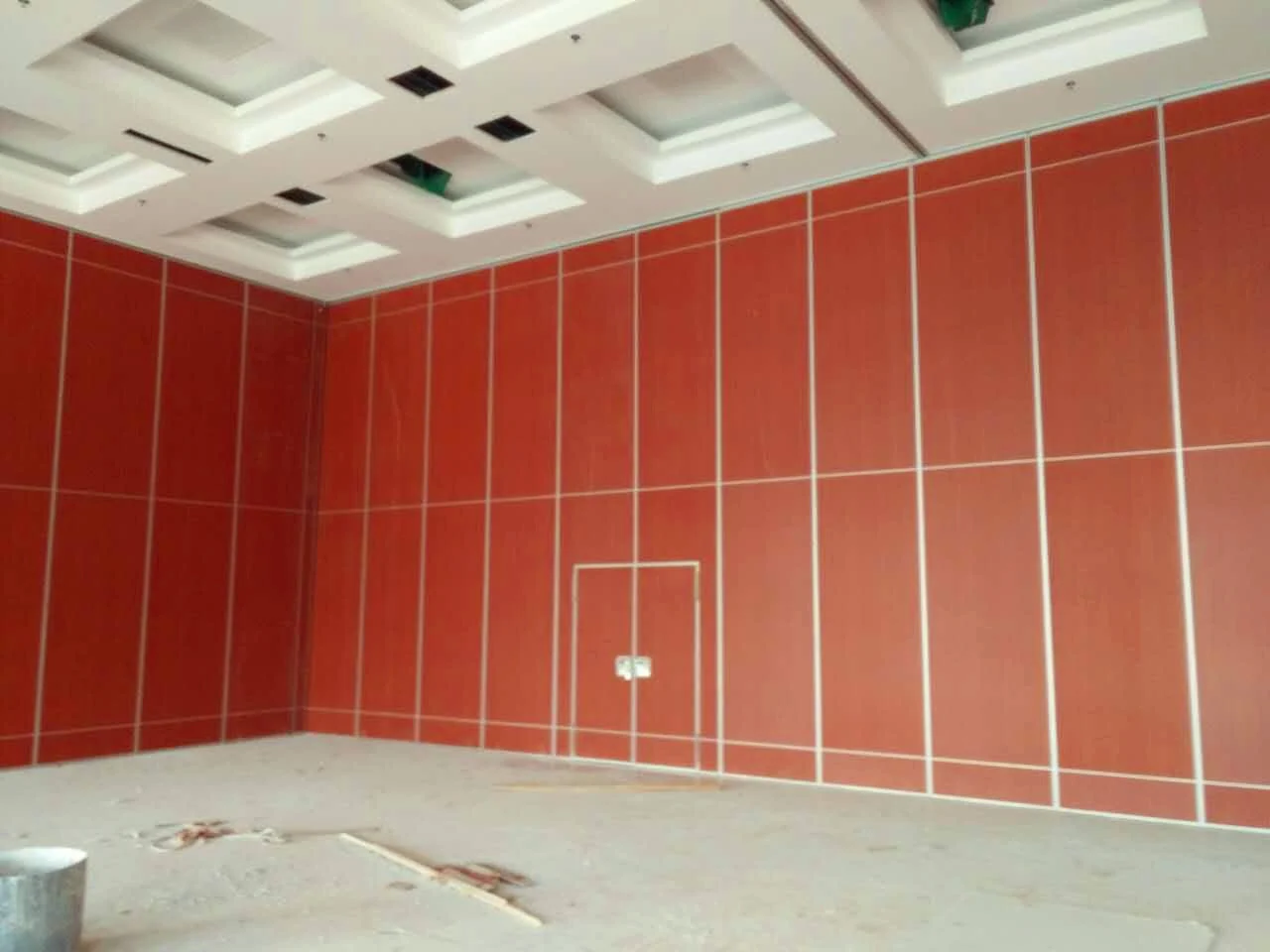
Link the register to the movable wall product page for maintained product context and to the resources page for general planning material. These links support orientation; they do not replace project-specific confirmation.
FAQ: Tender Query Ownership and Scope Revision
Who should own the register during tender review?
The procurement reviewer usually maintains it, while each discipline owns the accuracy of its own answers. The register should name a single custodian for version control.
How do we record an answer that changes the stacking position?
Mark it as scope-affecting, attach the revised layout or parking note, and request a pricing reference from the commercial discipline before closing the entry.
Can a supplier answer a structural question?
Provide the current layout, opening dimensions, ceiling information, intended room use, and relevant project drawings for review. The exact overhead route and support arrangement must be confirmed by the responsible project team from coordinated drawings.
What if the priced scope was revised verbally?
Keep the entry open until a written pricing reference is attached. Verbal revisions are difficult to audit and may not survive a change of personnel.
Does the register confirm acoustic performance?
No. It records who answered and what evidence was attached.
How often should the register be updated?
Update it as each clarification is issued or answered, and review all open entries before the award recommendation is signed.
Conclusion and Next Step
A movable partition wall tender query response ownership register gives procurement reviewers a disciplined way to separate authorship from commercial effect. It does not promise an outcome, but it makes the path from question to priced scope visible. Confirm project-specific support, acoustic and dimensional requirements with the responsible disciplines before award.
To discuss pass-door requirements, finish options or project documentation for a movable partition package, contact the EBUNGE team.