
Quick answer: movable partition wall
Review focus: movable partition wall.
The exact overhead route and support arrangement must be confirmed by the responsible project team from coordinated drawings. For overseas contractors, architects, interior designers, owners and renovation teams, the matrix is not a scoring form. It is a control that exposes unsupported claims before award, so evaluation teams compare like with like and know which items still require project-specific confirmation.
Why a Clause-to-Evidence Matrix Beats a Narrative Bid Review
Project review term: movable partition wall.
A narrative bid can read as compliant while leaving key requirements unproven. A matrix forces the reviewer to ask three questions for every line: what is required, what proof is acceptable, and where in the submission that proof sits. This is especially important for movable partition packages, where the visible product description may not carry the project-specific support, acoustic and dimensional confirmations that the design actually needs.
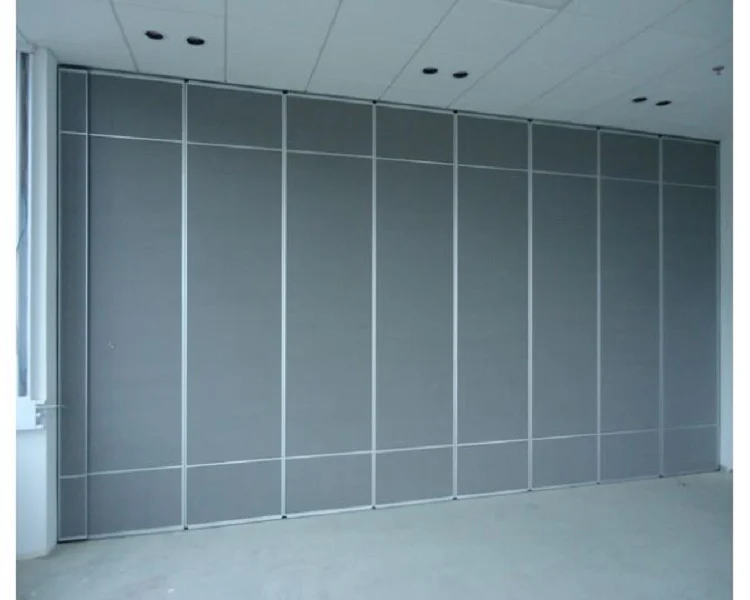
Use the matrix to separate product facts from project confirmations. Confirmed product facts include individually movable panels, top-hung suspension from a top track, movement across the opening without a floor track, and parking at a planned stacking position. Straight, turning and stacking routes are reviewed from the layout. Finish options include laminate, melamine, fabric, leather, glass and other approved surfaces. Pass-door requirements and project documentation can be discussed. Everything else must be tied to the bidder’s own evidence or flagged for clarification.
Step-by-Step Method for Building the Matrix
Coordination scope: movable partition wall.
- Extract every clause. Number each specification requirement, including performance, dimensional, finish, route, parking and documentation clauses.
- Define required evidence. State what the bidder must submit for that clause, such as a drawing, schedule, finish sample reference, route plan or written confirmation.
- Assign a response location. Name the exact bid section, drawing number, schedule row or attachment where the evidence should appear.
- Set a compliance status. Use clear labels such as compliant, partially compliant, clarification required or not demonstrated.
- Record the reviewer note. Capture what is missing, what conflicts, and what must be confirmed before award.
- Freeze the matrix before evaluation. Issue the same matrix to all reviewers so scoring is consistent.
Mapping Common Clause Types to Evidence
Checklist focus: movable partition wall.
The table below is a framework, not a substitute for project documents. Adapt the evidence column to the actual tender and confirm project-specific support, acoustic and dimensional requirements with the responsible design team.
| Clause type | What the clause may require | Evidence to request | Bid response location |
|---|---|---|---|
| Movement and operation | Individually movable panels, top-hung suspension, no floor track across the opening | Written product statement and route description | Technical description section |
| Route and parking | Straight, turning and stacking routes reviewed from the layout | Layout-based route and parking plan | Drawings and layout attachments |
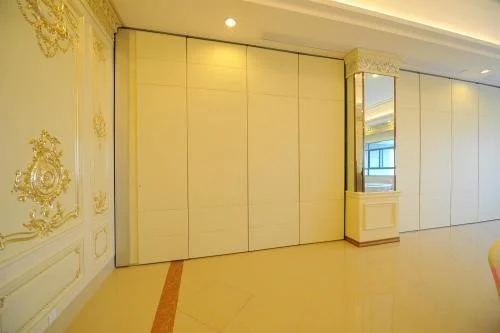
| Finish | Laminate, melamine, fabric, leather, glass or other approved surface | Finish schedule and sample reference | Finish schedule and samples |
| Acoustic concept | Project acoustic requirement expressed as a rating or design target | Project-specific acoustic documentation where required | Acoustic documentation section |
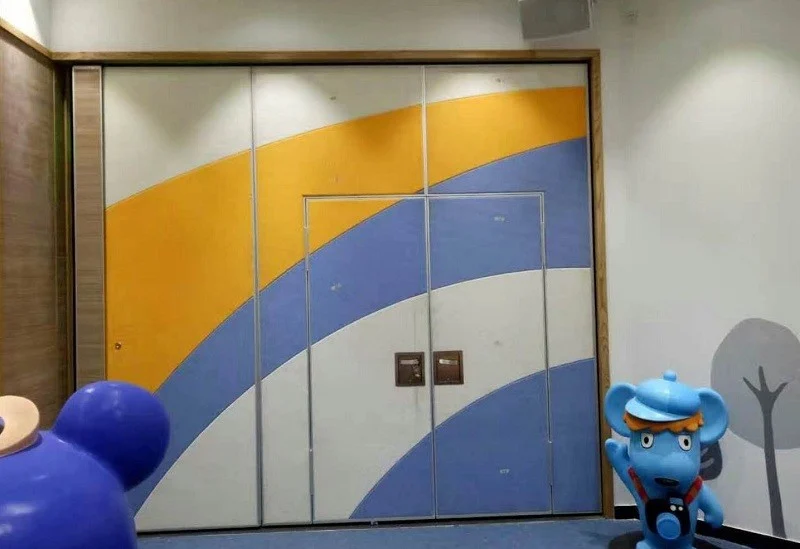
| Pass doors | Pass-door requirements and coordination | Written confirmation and coordinated detail | Door schedule and detail drawings |
| Documentation | Project documentation and submittal requirements | Document register and submittal list | Documentation section |
Handling Acoustic Clauses Without Overclaiming
Review focus: movable partition wall.
The suitability of each route and parking arrangement depends on the approved layout, circulation, ceiling interfaces and operating sequence. Visible references can support layout discussion but do not verify hidden construction or performance.
Do not accept a generic marketing statement as proof of a project acoustic outcome. Instead, mark the clause as requiring project-specific acoustic confirmation and route it to the responsible acoustic or design reviewer.
Detecting Unsupported Claims Before Award
Unsupported claims often appear as confident adjectives rather than evidence. A bidder may describe a system as fully compliant without showing the route, the parking position, the finish reference or the documentation. The matrix should make those gaps visible by requiring a named response location for every clause.
Evidence note: if a bidder cannot point to a specific section, drawing or schedule, treat the clause as not demonstrated until the missing item is supplied and reviewed.
Reviewers should also check for internal conflicts. A finish schedule may name one surface while a drawing note names another. A route plan may show a movement path that does not match the layout. These conflicts belong in the matrix as clarification items, not as silent assumptions.
Reviewer Checklist Before Issuing the Matrix
- Every specification clause has a unique reference number.
- Each clause names the evidence a bidder must supply.
- Each clause names the exact bid response location.
- Acoustic, support and dimensional items are flagged for project-specific confirmation.
- Finish clauses reference the approved surface options and sample process.
- Route and parking clauses require layout-based drawings.
- Pass-door and documentation clauses have a named reviewer.
- Clarification items have an owner and a deadline.
Coordinating the Matrix with the Wider Project Team
The matrix is most useful when it is built with the people who will live with the outcome. Contractors can confirm site coordination and installation interfaces. Architects and interior designers can confirm layout, finish and route intent. Owners can confirm operational expectations. Renovation teams can flag existing conditions that affect the opening.
Use the movable wall product page for maintained product context, and the resources section for general planning material. Where a clause depends on project-specific support, acoustic or dimensional confirmation, record that dependency in the matrix rather than resolving it with an assumption.
Frequently Asked Questions
What is a movable partition wall tender compliance matrix?
It helps evaluation teams compare bids consistently and detect unsupported claims before award.
Should the matrix include acoustic clauses?
Provide the current layout, opening dimensions, ceiling information, intended room use, and relevant project drawings for review. The exact overhead route and support arrangement must be confirmed by the responsible project team from coordinated drawings.
How do I handle finish clauses in the matrix?
List the approved finish options, such as laminate, melamine, fabric, leather, glass and other approved surfaces, and require a finish schedule and sample reference. Confirm the final finish selection against the project design intent.
What should I do if a bidder claims full compliance without evidence?
Mark the clause as not demonstrated and request the missing evidence in a clarification round. Do not convert an unsupported claim into a contract obligation without a named response location and a reviewer decision.
Does the matrix replace project-specific design review?
No. The matrix organizes evidence and response locations, but support, acoustic and dimensional requirements still need project-specific confirmation from the responsible design and engineering team.
How should route and parking clauses be evidenced?
Require layout-based drawings showing straight, turning and stacking routes. The review should confirm that the proposed movement path is consistent with the layout and the planned parking position.
Conclusion and Next Step
A movable partition wall tender compliance matrix is only as strong as its evidence mapping. Build it clause by clause, name the required evidence, assign the exact bid response location, and flag every item that needs project-specific support, acoustic or dimensional confirmation. This approach protects the evaluation team from unsupported claims and gives bidders a clear structure to respond to.
To discuss pass-door requirements, project documentation or a specific tender package, contact the EBUNGE team and share the layout and specification for review.