
Quick answer: movable partition subdivision state circulation capacity ledger
Review focus: movable partition subdivision state circulation capacity ledger.
When a floor plate is divided by top-hung movable partitions, every open configuration changes how people move through shared space. A movable partition subdivision state circulation capacity ledger gives facility and design teams one place to record, per configuration, how much shared ambulant route width remains available. The ledger is not a performance claim; it is a coordination tool. It helps teams compare open states before room scheduling is committed, and it keeps accessibility and circulation review visible alongside layout, finish and pass-door discussions.
Why a Subdivision-State Ledger Belongs in Early Planning
Project review term: movable partition subdivision state circulation capacity ledger.
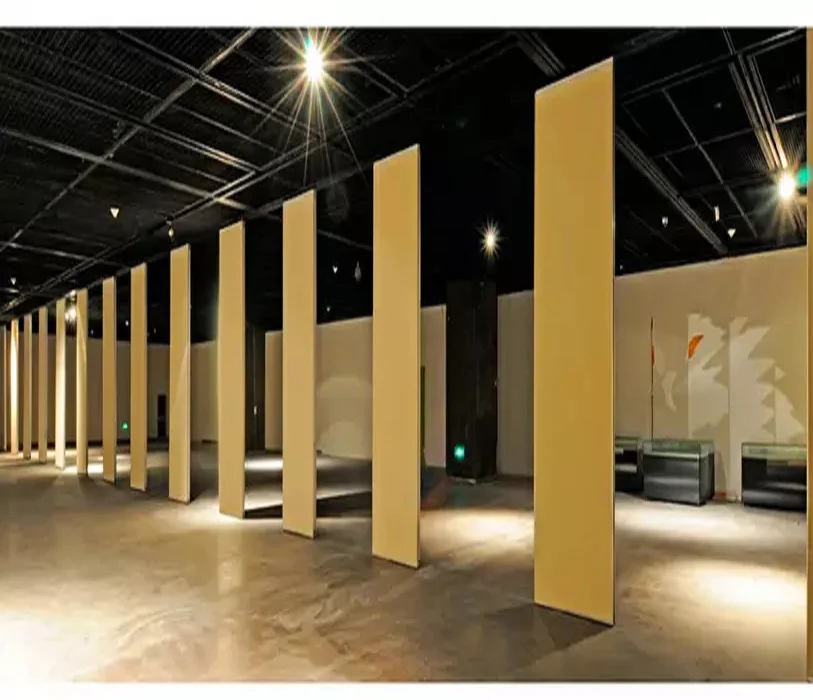
Movable wall panels are individually movable, suspended from a top track, cross the opening without a floor track, and park at a planned stacking position. Those confirmed behaviors mean the partition line is not the only thing that changes when a room opens. The exact route, junction arrangement, continuous overhead path and parking position must be confirmed from the coordinated project drawings.
A ledger turns that overlap into a visible planning record. Instead of reviewing one open state in isolation, teams can list every intended subdivision state and note the route width each state leaves clear. The purpose is not to approve a design automatically, but to show where cumulative circulation capacity needs project-specific review.
Define the Subdivision States Before Measuring Anything
Coordination scope: movable partition subdivision state circulation capacity ledger.
The ledger only works if the states are named consistently. A subdivision state is a defined open or closed arrangement of the movable partitions, not a vague description such as ‘open plan’ or ‘divided room.’ Each state should be tied to a drawing or layout extract that shows panel positions, stacking positions and the routes people are expected to use.
State naming that survives coordination
- State A: all panels parked at the designated stacking position, full floor plate open.
- State B: one partition line closed, second line parked.
- State C: both partition lines closed, separate rooms in use.
- State D: one partition partially open with a pass-door route in use.
Names should match the room scheduling language used by the operator. If the facility team books rooms by name, the ledger should use the same names so the circulation review is not disconnected from daily use.
Record Route Width Without Inventing Performance
Checklist focus: movable partition subdivision state circulation capacity ledger.
Route width is a dimensional observation from the coordinated layout, not a performance rating. The ledger should record the clear width available along each shared ambulant route in each subdivision state. Where the route passes a stacking position, a turning point or a pass-door opening, the record should note that condition rather than averaging it away.
The suitability of each route and parking arrangement depends on the approved layout, circulation, ceiling interfaces and operating sequence. Keep the ledger focused on route geometry and coordination status.

A Compact Ledger Structure for Project Teams
Review focus: movable partition subdivision state circulation capacity ledger.
The table below is a planning template. It does not contain project values; teams fill it from their own coordinated drawings and confirm all dimensions with the responsible design professionals.
| Ledger field | What to record | Evidence source |
|---|---|---|
| Subdivision state | Named open or closed arrangement | Room scheduling list and layout drawing |
| Shared ambulant route | Route identifier used across the floor plate | Accessibility and circulation drawing |
| Clear width at state | Dimensional observation at the narrowest coordinated point | Coordinated layout extract |
| Stacking position influence | Whether parked panels sit adjacent to the route | Parking layout and route overlay |
| Pass-door condition | Whether a pass-door route is in use in that state | Door schedule and layout |
| Open coordination item | Question requiring project-specific confirmation | Design team review note |
Review Straight, Turning and Stacking Routes Together
Project review term: movable partition subdivision state circulation capacity ledger.
The confirmed product facts state that straight, turning and stacking routes are reviewed from the layout. That review should happen per subdivision state, because a route that works when all panels are parked may behave differently when a partition line is closed and panels occupy a stacking position.
Questions for each route type
- Does the straight route remain connected in this state, or does it pass through a partition line?
- Does the turning route require space that is also used by a stacking position?
- Does the stacking route remain clear of the shared ambulant route in every scheduled state?
- Does a pass-door requirement change the route in a way the ledger should record?
These questions are coordination prompts. They do not replace project-specific support, acoustic and dimensional confirmation, and they do not establish that any configuration is compliant or suitable.
Coordinate Finishes, Pass Doors and Documentation
Confirmed finish options include laminate, melamine, fabric, leather, glass and other approved surfaces. Finish choice can affect how a partition line reads in a room, but it does not by itself establish circulation capacity. The ledger should reference the finish schedule only where it helps identify the partition line being reviewed.
Pass-door requirements and project documentation can be discussed with the EBUNGE team. Where a pass-door is part of an open configuration, the ledger should note it as a route condition and leave the dimensional confirmation to the project drawings. The movable walls product page provides maintained product context, while the resources page supports broader project planning.
Evidence Boundaries for the Ledger
Record only what the coordinated drawings and confirmed product facts support. Do not infer acoustic, structural, fire, durability, maintenance or commercial performance from a finish, photograph, drawing or open configuration.
Every proposed movement path requires a continuous connected overhead route and project-specific support review.
How to Use the Ledger in Room Scheduling
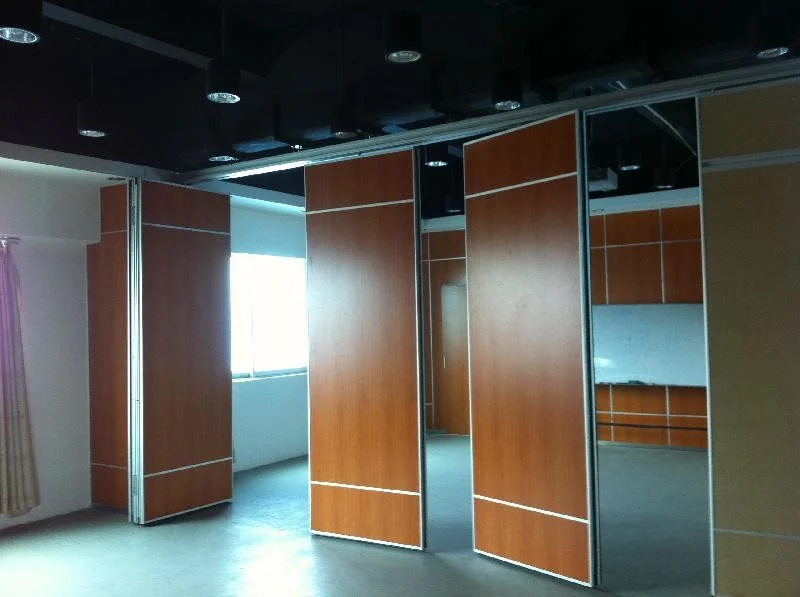
Once the states are recorded, the facility team can review cumulative circulation capacity before committing a recurring schedule. A state that consumes a large share of a shared route may still be workable at certain times, but the decision should be visible rather than accidental.
Decision checklist before a state is scheduled
- Is the subdivision state named and drawn consistently?
- Is the shared ambulant route identified for that state?
- Is the clear width recorded from a coordinated layout, not estimated?
- Are stacking and turning routes reviewed together?
- Are pass-door conditions noted where they apply?
- Are open coordination items assigned to a responsible reviewer?
This checklist keeps the ledger useful without turning it into a compliance certificate. Final accessibility, acoustic and dimensional decisions remain project-specific.
Frequently Asked Questions
What is a movable partition subdivision state circulation capacity ledger?
It is a planning record that lists each open or closed arrangement of movable partitions and notes how much shared ambulant route width that arrangement leaves available. It supports coordination; it does not certify performance.
Does the ledger replace an accessibility or circulation drawing?
No. The ledger organizes information from coordinated drawings and room scheduling discussions. Project-specific accessibility and circulation requirements still need review by the responsible design professionals.
Can the ledger include acoustic ratings such as STC or Rw?
Provide the current layout, opening dimensions, ceiling information, intended room use, and relevant project drawings for review. The exact overhead route and support arrangement must be confirmed by the responsible project team from coordinated drawings.
How should stacking positions be recorded?
Record the planned stacking position as shown on the layout and note whether it sits adjacent to a shared ambulant route in each subdivision state. Parking style is customized to the customer layout and project requirements.
What if a proposed route crosses an untracked gap?
Do not assume the panels can travel across it. Every proposed movement path requires a continuous connected overhead route and project-specific support review.
When should the ledger be started?
Start it as soon as subdivision states and shared routes are being discussed, before room scheduling is committed. Early recording makes cumulative circulation capacity visible while changes are still easy to coordinate.
Conclusion and Next Step
A subdivision-state circulation capacity ledger gives facility and design teams a disciplined way to see how each open configuration consumes shared ambulant route width. It keeps confirmed product facts, visible drawing evidence and project-specific confirmation boundaries in one review.
To discuss pass-door requirements, project documentation or layout coordination for your floor plate, contact the EBUNGE team and share your subdivision states and route drawings for review.