
Quick answer: movable partition stacking pocket relocation ambulant route reinstatement
Review focus: movable partition stacking pocket relocation ambulant route reinstatement.
When a subdivided space is reconfigured, the movable partition stacking pocket relocation ambulant route reinstatement process determines whether the room works after the panels move. Facility teams often treat the stacking pocket as a fixed leftover and the walking route as an afterthought. Both assumptions create circulation conflicts. This review sequence keeps the decision tied to maintained product facts, visible drawing evidence and project-specific confirmation.
Why Stacking Pocket Relocation and Ambulant Route Reinstatement Belong in One Review
Project review term: movable partition stacking pocket relocation ambulant route reinstatement.
EBUNGE movable partition panels are individually movable and suspended from a top track. They cross the opening without a floor track and park at a planned stacking position. Because the panels travel on an overhead route, the parking location and the walking route are linked. Moving the pocket changes where panels gather, which changes the clear floor area available for people to pass.
An ambulant route is the path a person uses to move through the space, including doorways, corridors and turning areas. Reinstating that route after reconfiguration means confirming the path is still continuous, unobstructed and coordinated with the new panel parking position. This is a layout question, not a product performance claim.
Step 1: Confirm the Current Layout and Route Drawings
Coordination scope: movable partition stacking pocket relocation ambulant route reinstatement.
Start with the approved layout drawing that shows the partition line, the opening, the parking position and the adjacent circulation. The drawing should identify straight, turning and stacking routes. If the drawing only shows the closed partition line, the review cannot confirm where panels will gather or how people will move around them.
Mark the existing ambulant route on the same drawing. Note any door swings, fixed furniture, columns or service points that already narrow the path. This baseline prevents the team from solving one conflict while creating another.
Step 2: Evaluate the Proposed Stacking Pocket Location
Checklist focus: movable partition stacking pocket relocation ambulant route reinstatement.
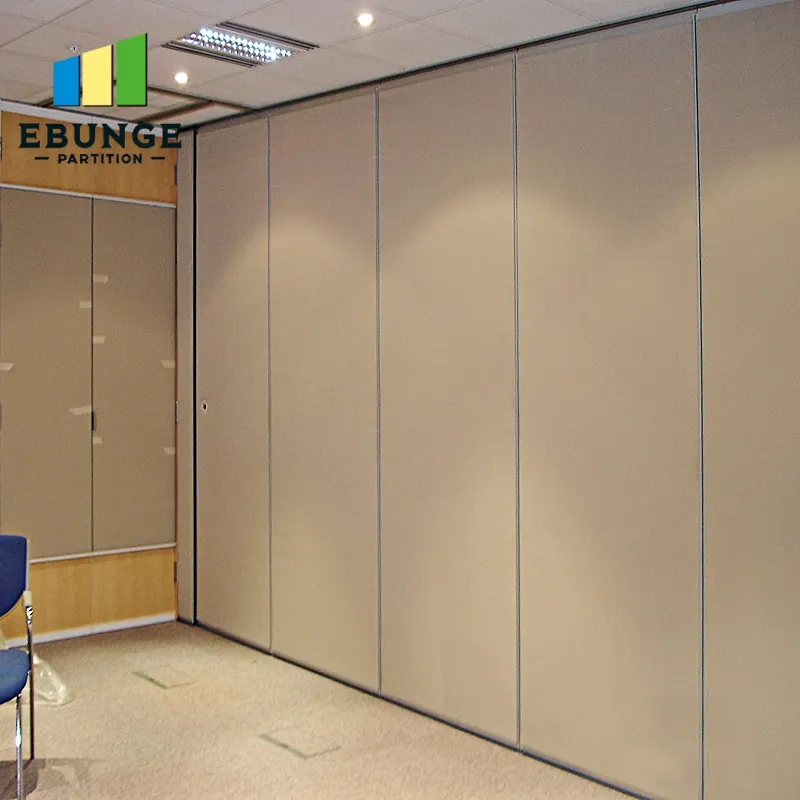
A stacking pocket is a planned parking position, not a generic recess. Its location must suit the panel travel route and the room’s circulation. When the pocket moves, the overhead route must remain continuous and connected. The exact route, junction arrangement, continuous overhead path and parking position must be confirmed from the coordinated project drawings.
Decision checklist for pocket relocation
- Does the proposed pocket sit at the end of a continuous, supported overhead route?
- Does the pocket depth and width suit the coordinated panel stack for this project?
- Does the relocated pocket block a doorway, corridor, turning area or accessible route?
- Are straight, turning and stacking routes still reviewable on one drawing?
- Has the project-specific support and dimensional requirement been confirmed by the responsible engineer or supplier?
If any answer is unclear, pause the relocation. A pocket that looks convenient on plan may not suit the panel travel path or the building structure.
Step 3: Reinstate the Ambulant Route After Reconfiguration
Review focus: movable partition stacking pocket relocation ambulant route reinstatement.
After the panels are parked, walk the route as a user would. Confirm the path from entry to destination remains clear. Check that the parked panels do not reduce the route below the project’s required clear width. This width is a project-specific requirement and must come from the applicable design standard or client brief, not from a generic assumption.
Where the route passes the stacking pocket, confirm the parked panels do not create a pinch point. Record any conflict with a photograph and a dimensioned sketch so the design team can resolve it.
Step 4: Coordinate Finishes, Seals and Acoustic Concepts
Project review term: movable partition stacking pocket relocation ambulant route reinstatement.
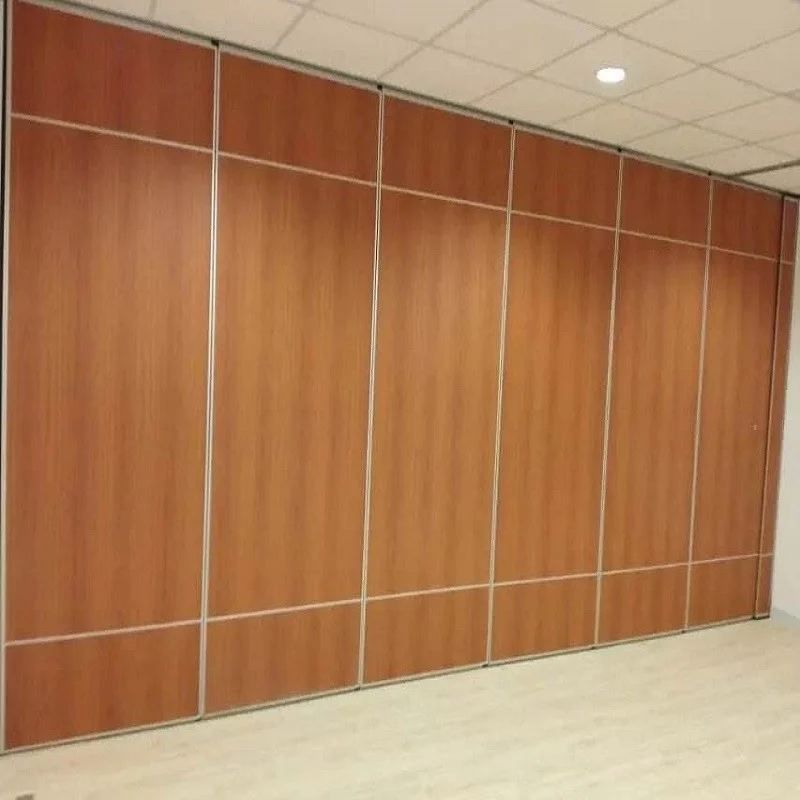
Confirmed finish options include laminate, melamine, fabric, leather, glass and other approved surfaces. The suitability of each route and parking arrangement depends on the approved layout, circulation, ceiling interfaces and operating sequence.
Seals are used at panel edges and junctions to reduce air paths. Their contribution depends on the complete assembly, the supporting structure and the installation quality. Visible references can support layout discussion but do not verify hidden construction or performance. Confirm acoustic requirements with the responsible acoustic consultant for each project.
Step 5: Document the Reinstated Route and Pocket
Update the layout drawing with the final pocket location, the panel travel route and the reinstated ambulant route. Include the pass-door position if the project requires one. Pass-door requirements and project documentation can be discussed with the supplier so the drawing set reflects the coordinated design.
Keep the updated drawing with the operation and maintenance information. Future reconfigurations should start from this record rather than from memory. A clear record reduces the risk of repeating the same circulation conflict.
Evidence Boundaries for Facility Teams
This sequence explains a review process. Those items require project-specific evidence from the responsible professionals.
Visible evidence such as a finish sample, a photograph or a plan view does not prove hidden performance. Treat every performance statement as unconfirmed until matching project documentation is available.
For product context, review the movable walls product page. For broader planning guidance, see the resources section. When the drawing review raises questions about support, acoustics or dimensions, contact the EBUNGE team to discuss project documentation.
Frequently Asked Questions
What is a stacking pocket in a movable partition system?
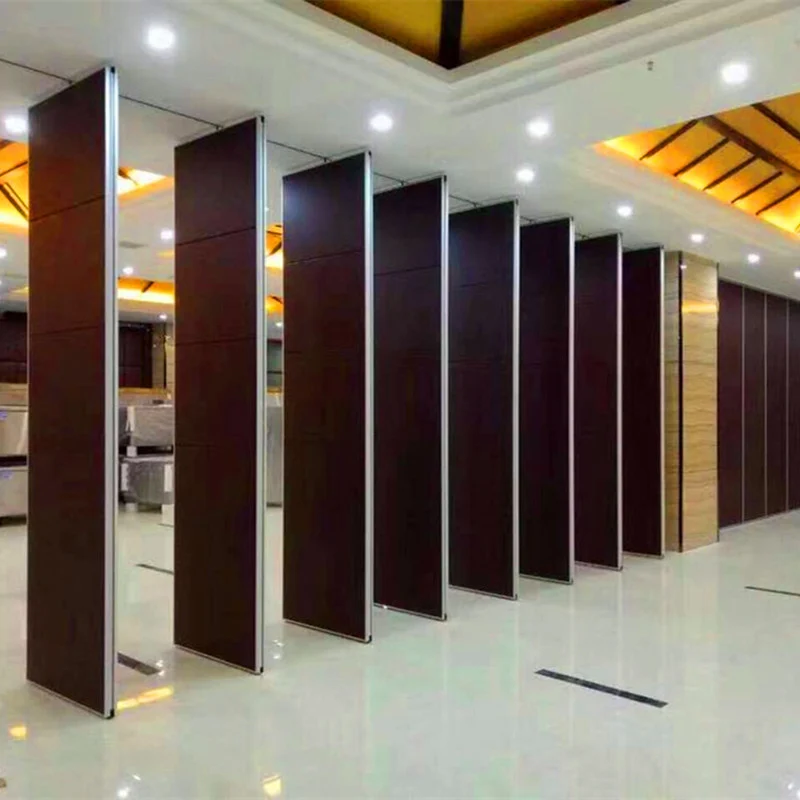
A stacking pocket is the planned parking position where individually movable panels gather when the opening is clear. Its location is coordinated with the overhead travel route and the room layout.
Can a stacking pocket be relocated after the partition is installed?
Relocation depends on the overhead route, the supporting structure and the coordinated design. It requires drawing review and project-specific confirmation before any change is made.
Do movable partitions need a floor track along the opening?
EBUNGE movable partition panels are top-hung and cross the opening without a continuous floor running track or floor hardware along the partition line. The overhead route must remain continuous and supported.
How do I confirm the ambulant route is still compliant after reconfiguration?
Compare the reinstated route against the project’s applicable accessibility requirements and the approved layout. Clear width, turning areas and door approaches are project-specific and must be confirmed by the responsible design professional.
Does the finish affect acoustic performance?
Finish options such as laminate, melamine, fabric, leather and glass affect appearance and maintenance planning.
What documentation should be updated after the review?
Update the layout drawing with the final pocket location, panel travel route, reinstated ambulant route and any pass-door position. Keep this record with the project documentation for future reconfigurations.
Conclusion: Review the Route Before You Move the Pocket
Stacking pocket relocation and ambulant route reinstatement are linked decisions. Confirm the overhead route, the parking position and the walking path on one coordinated drawing. Keep performance claims tied to project-specific evidence, and confirm support, acoustic and dimensional requirements with the responsible professionals before work proceeds.
For project-specific coordination, contact EBUNGE to discuss your layout, pass-door requirements and documentation needs.