
Quick answer: movable partition stacking pocket approach zone ambulant decision point register
Review focus: movable partition stacking pocket approach zone ambulant decision point register.
A movable partition stacking pocket approach zone ambulant decision point register is a simple project tool: a written record of how each panel position changes the routes people actually use. Because EBUNGE movable wall panels are individually movable, suspended from a top track, cross the opening without a floor track and park at a planned stacking position, every subdivision state creates a different circulation picture. The register captures those differences before they become site problems.
This review is deliberately evidence-bounded. The suitability of each route and parking arrangement depends on the approved layout, circulation, ceiling interfaces and operating sequence. It helps contractors, architects, interior designers, owners and renovation teams coordinate drawings, confirm project-specific support and acoustic requirements, and keep accessibility decisions visible as the layout evolves.
Why Each Subdivision State Changes the Ambulant Route
Project review term: movable partition stacking pocket approach zone ambulant decision point register.
A room is not one layout. An open hall, a half-closed configuration and a fully subdivided plan can each produce a different primary path. When panels park, the stacking pocket approach zone becomes part of the walking network rather than a storage detail.
Straight, turning and stacking routes are reviewed from the layout. That review is the foundation of the register: it records where a route exists, where it narrows, and where a decision point appears because the user must choose between continuing, turning or waiting.
Open, Partially Closed and Fully Subdivided States
In the open state, the primary path usually follows the room’s main axis. In a partially closed state, one or more panels cross the opening and the path may shift toward a remaining clear route. In the fully subdivided state, the stacking pocket approach zone and any pass-door positions become the controlling features. The register should name each state rather than treating the partition as a single condition.
What the Register Is Not
It is a coordination record. Any acoustic, fire, dimensional or support conclusion still requires matching project evidence and confirmation from the responsible design team.
Building the Decision Point Register
Coordination scope: movable partition stacking pocket approach zone ambulant decision point register.
A decision point is any location where a person must change direction, wait, or choose between routes because of the current subdivision state. Recording these points turns a general accessibility discussion into a traceable list.
- List every subdivision state the project intends to use, including open, partially closed and fully subdivided.
- Mark the stacking pocket approach zone on the layout for each state.
- Trace the primary ambulant route from entry to destination for each state.
- Identify decision points where the route changes, narrows or requires a turn.
- Note any pass-door requirement and confirm it against the project documentation.
- Record the drawing revision and the person responsible for each entry.
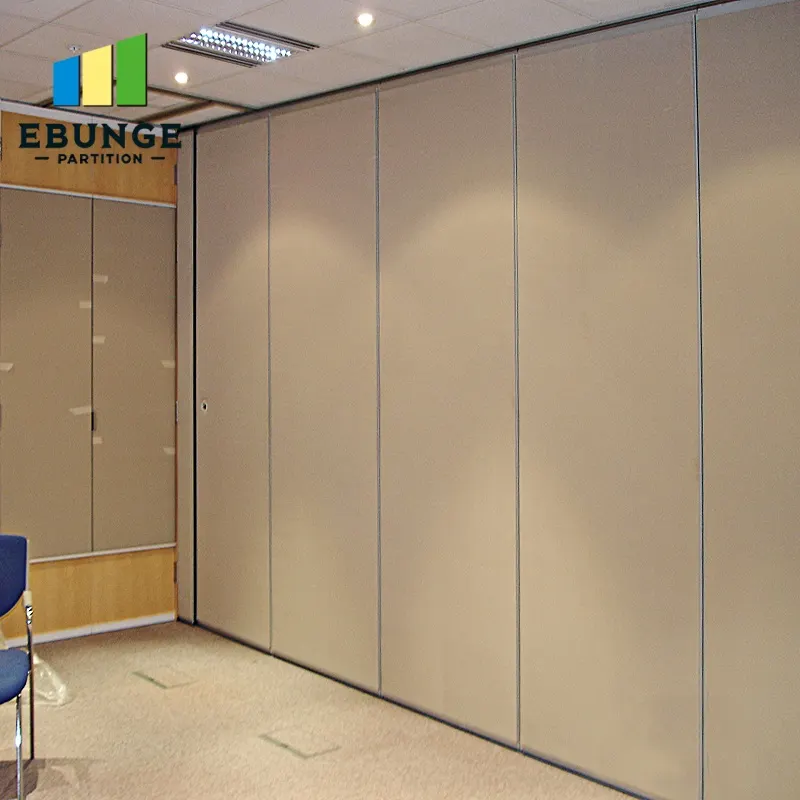
Keep the register in the same drawing set as the partition layout. A register that lives in a separate file is easily ignored during coordination.
Stacking Pocket Approach Zone: What to Record
Checklist focus: movable partition stacking pocket approach zone ambulant decision point register.
The stacking pocket approach zone is the area people cross to reach or pass the parked panels. Its relationship to the primary route matters more than its label. Record whether the approach zone sits inside or outside the main walking line, and whether it overlaps a decision point.
Route Review from the Layout
Straight, turning and stacking routes are reviewed from the layout, not assumed from a product description. The layout shows whether a continuous connected overhead route is available for every proposed movement path. The exact route, junction arrangement, continuous overhead path and parking position must be confirmed from the coordinated project drawings.
Evidence Note: Visible Limits
Do not infer acoustic, fire, durability, load or maintenance performance from a visible shape, finish, photograph or drawing. Comparative and absolute statements require corresponding evidence; otherwise state the exact project-specific confirmation boundary.
Tracking How Subdivision States Alter Primary Paths
Review focus: movable partition stacking pocket approach zone ambulant decision point register.
The most useful register is a living table. It lets the team see, at a glance, which state creates which route condition. The table below is a structure, not a set of project values; fill it with confirmed project information.
| Subdivision state | Primary route condition | Stacking pocket approach zone | Decision point | Open item |
|---|---|---|---|---|
| Open | Main axis clear | Not in use | None recorded | Confirm layout revision |
| Partially closed | Route shifts to remaining clear path | Approach begins | Turn or wait point | Confirm pass-door need |
| Fully subdivided | Route follows subdivided plan | Active approach zone | Multiple decision points | Confirm support and acoustic requirements |
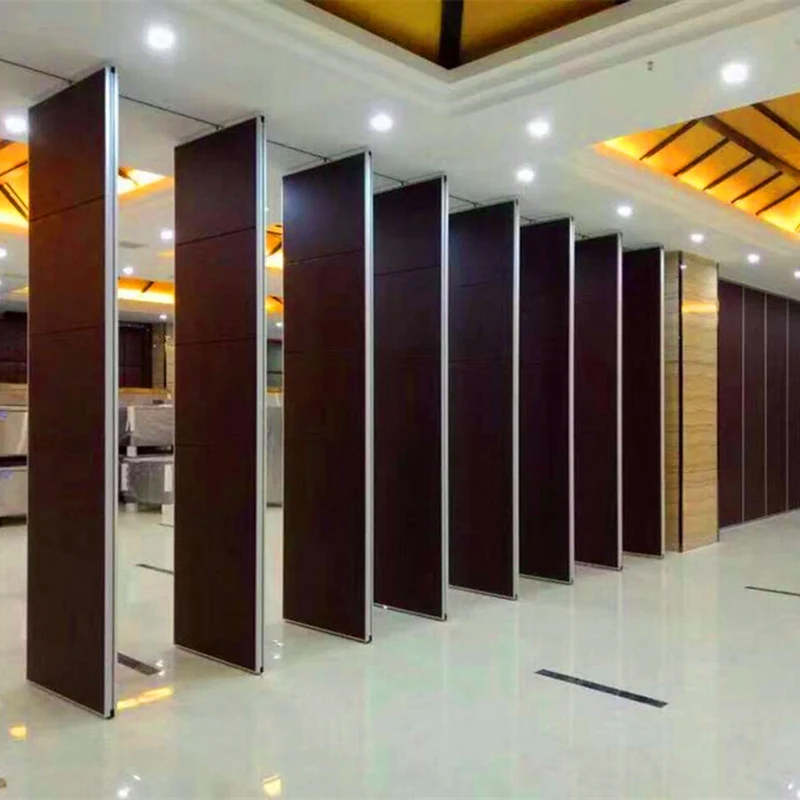
Update the table whenever the layout changes. A register that is not revised after a drawing update becomes misleading rather than helpful.
Coordinating with Finishes, Pass Doors and Documentation
Project review term: movable partition stacking pocket approach zone ambulant decision point register.
Confirmed finish options include laminate, melamine, fabric, leather, glass and other approved surfaces. Keep finish decisions in the finish schedule and circulation decisions in the register.
Pass-door requirements and project documentation can be discussed with the supplier. Where a pass door is proposed, record its position in each subdivision state and check how it interacts with the primary route and the stacking pocket approach zone.
Coordination Checklist
- Layout revision number recorded for every state.
- Stacking pocket approach zone marked on the same drawing.
- Primary ambulant route traced for each state.
- Decision points numbered and described.
- Pass-door requirements listed with their state.
- Support and acoustic questions flagged for project-specific confirmation.
- Responsible reviewer named for each open item.
Accessibility and Circulation Review in Practice
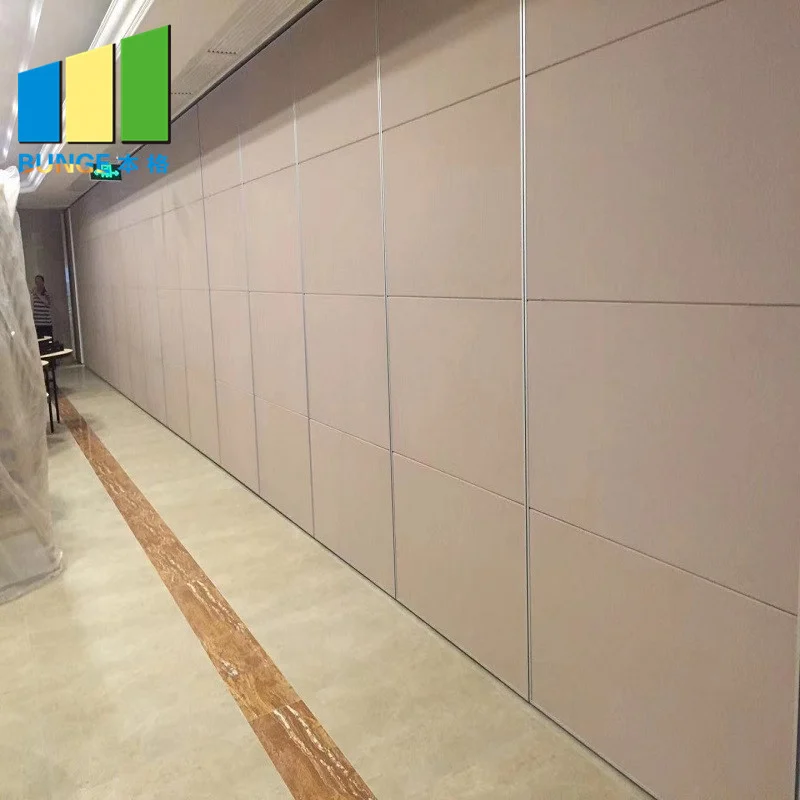
Coordination scope: movable partition stacking pocket approach zone ambulant decision point register.
Run the review as a short, repeatable meeting rather than a one-off exercise. Walk the layout state by state, read the register aloud, and confirm that each decision point still reflects the current drawings.
For broader planning context, the EBUNGE resources page collects public guidance, while the movable walls product page describes the maintained product facts used here. Neither replaces project-specific review.
Frequently Asked Questions
What is a movable partition stacking pocket approach zone?
It is the area people cross to reach or pass the parked panels. In this review, it is recorded because it can overlap the primary ambulant route and create a decision point in some subdivision states.
Why track each subdivision state separately?
Because an open, partially closed and fully subdivided layout can each produce a different primary path. A single plan cannot show all of them at once, so the register records the differences.
Do movable partitions need a floor track?
EBUNGE movable wall panels are top-hung and move without a continuous floor running track or floor hardware along the partition line. Every proposed movement path still requires a continuous connected overhead route and project-specific support review.
Can the register confirm acoustic performance?
No. The register is a circulation and coordination record.
How often should the register be updated?
Whenever the layout, subdivision states, pass-door requirements or stacking position change. Record the drawing revision so reviewers can see which version the entries refer to.
Who should maintain the decision point register?
The party responsible for layout coordination, working with the design team and the supplier. The register should name a reviewer for each open item rather than leaving ownership unclear.
Conclusion and Next Step
A stacking pocket approach zone and ambulant decision point register turns a complex, multi-state partition layout into a readable coordination tool. It keeps attention on routes, decision points and drawing revisions, while leaving performance, support and dimensional questions where they belong: with project-specific confirmation.
To discuss pass-door requirements, project documentation or layout coordination for your next flexible-space project, contact the EBUNGE team and share your current drawings.