
Quick answer: movable partition renovation stage-gate sequencing temporary separation reinstatement
Review focus: movable partition renovation stage-gate sequencing temporary separation reinstatement.
Renovation phasing with movable partition walls is a sequencing problem before it is a product problem. The core question is practical: which occupied zone can be released to demolition, and where will temporary separation be reinstated before that release happens? Movable partition renovation stage-gate sequencing temporary separation reinstatement gives the project team a repeatable way to answer that question without guessing at performance, cost or programme. This framework is for contractors, architects, interior designers, owners and renovation companies coordinating occupied buildings. The suitability of each route and parking arrangement depends on the approved layout, circulation, ceiling interfaces and operating sequence.
Why Stage-Gate Sequencing Fits Occupied Renovation
Project review term: movable partition renovation stage-gate sequencing temporary separation reinstatement.
In an occupied building, demolition is rarely the constraint. The constraint is the loss of separation between zones that still need to function. A stage gate makes that loss explicit: before a zone is released, the team confirms that temporary separation exists elsewhere, that the movement route is continuous and supported, and that the parking position is coordinated.
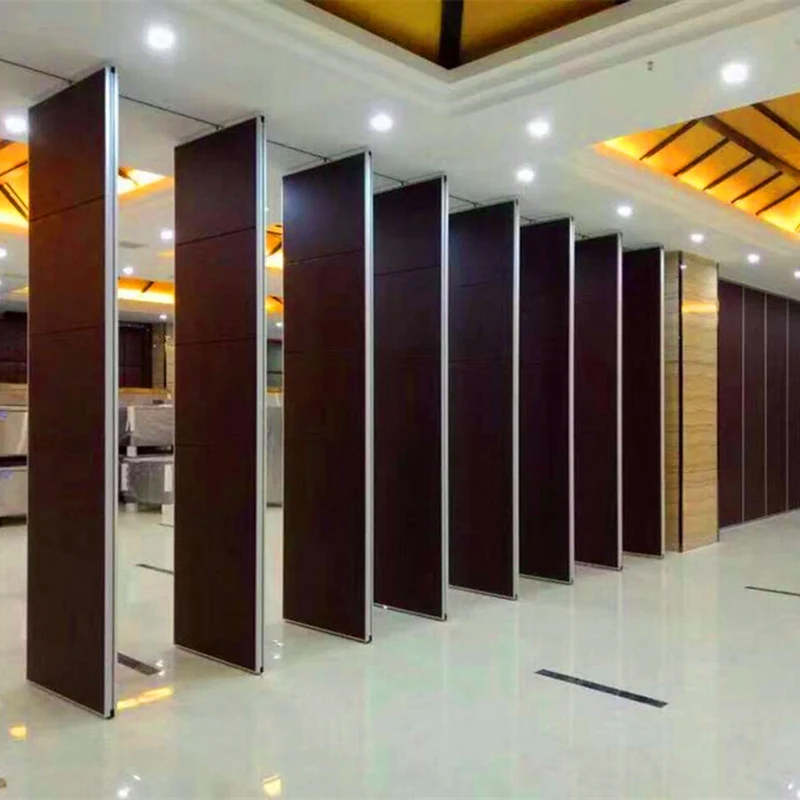
Movable partition panels are individually movable, suspended from a top track, cross the opening without a floor track, and park at a planned stacking position. That combination is what makes them useful in phasing: separation can be relocated rather than rebuilt. But relocation is not automatic. Straight, turning and stacking routes must be reviewed from the layout, and every proposed movement path requires a continuous connected overhead route with project-specific support review.
The Stage-Gate Model in Six Gates
Coordination scope: movable partition renovation stage-gate sequencing temporary separation reinstatement.
Treat each gate as a decision point, not a construction milestone. A gate is passed only when the evidence for that gate is visible in drawings, schedules or agreed documentation. If evidence is missing, the gate stays open and the zone is not released.
- Gate 1 — Zone inventory. List occupied zones, their current separation, and the separation each zone needs during each phase.
- Gate 2 — Route review. Confirm straight, turning and stacking routes from the layout, including the overhead route continuity.
- Gate 3 — Parking plan. Confirm where panels park when not in use, and whether that position conflicts with other trades.
- Gate 4 — Temporary separation reinstatement. Confirm the temporary separation is in place before the original separation is removed.
- Gate 5 — Release to demolition. Release the zone only when Gates 1–4 are documented and accepted.
- Gate 6 — Reinstatement review. After the phase, review what changed and update the next phase plan.
What Must Be Confirmed Before Any Zone Is Released
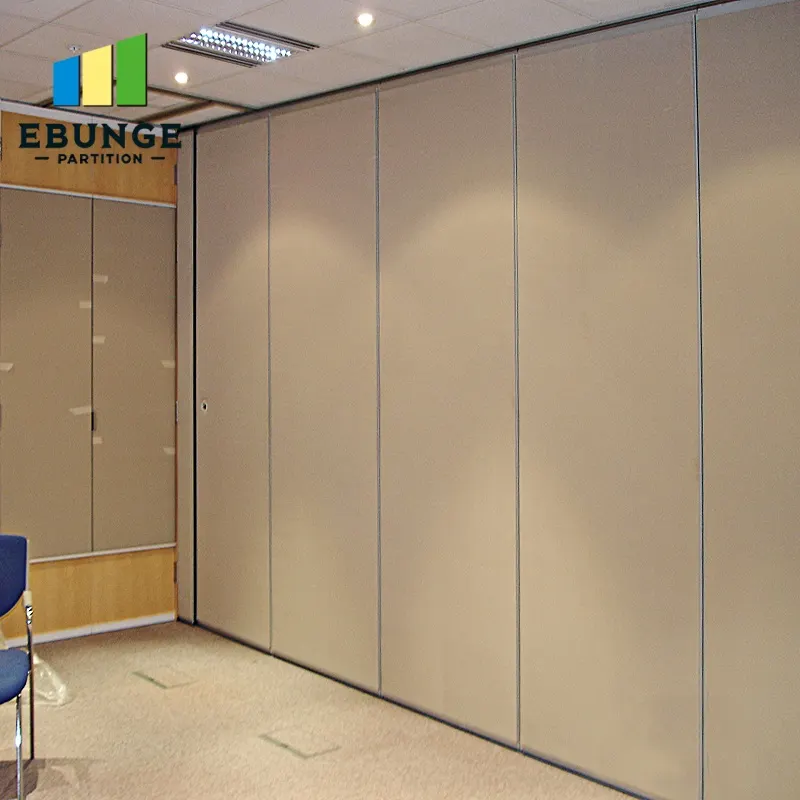
Checklist focus: movable partition renovation stage-gate sequencing temporary separation reinstatement.
The release decision should be evidence-bounded. The exact overhead route and support arrangement must be confirmed by the responsible project team from coordinated drawings. Those items require matching project evidence.
Layout and route confirmation
Review the layout for every movement path. The exact route, junction arrangement, continuous overhead path and parking position must be confirmed from the coordinated project drawings. Turning and stacking routes are part of the same review, not a separate afterthought.
Separation and acoustic intent
Where acoustic separation matters between occupied zones, confirm the project-specific requirement with the responsible acoustic consultant and the partition supplier.
Finish and interface coordination
Confirmed finish options include laminate, melamine, fabric, leather, glass and other approved surfaces. Interface conditions at adjacent walls, ceilings and openings need their own review.
Decision Checklist for Releasing an Occupied Zone
Review focus: movable partition renovation stage-gate sequencing temporary separation reinstatement.
Use this checklist at each gate. It is deliberately short so it can be applied under programme pressure.
- Is the zone’s required separation defined for this phase?
- Is the temporary separation location agreed and shown on the layout?
- Is the overhead route continuous and supported for every proposed movement path?
- Is the parking position coordinated with other trades and access routes?
- Are pass-door requirements and project documentation discussed and recorded?
- Are acoustic, structural and dimensional requirements confirmed for this project?
- Is the release decision recorded with the evidence that supports it?
Comparing Sequencing Options Without Inventing Performance
Project review term: movable partition renovation stage-gate sequencing temporary separation reinstatement.
The table below compares planning approaches, not products. It does not assert measured results, cost or programme duration.
| Approach | Separation during works | Main planning risk | Evidence needed |
|---|---|---|---|
| Fixed temporary screens | Static, rebuilt per phase | Repeated disruption and waste | Layout and removal plan |
| Movable partition relocation | Relocated to a planned stacking position | Route continuity and support review | Route, parking and support drawings |
| Zone-by-zone release | Depends on reinstatement elsewhere | Releasing before reinstatement | Gate records and sign-off |
Coordination Rules That Keep Phases Reversible
Reversibility is the practical benefit of this framework. If a phase reveals a conflict, the team can pause at the next gate rather than unwind completed demolition. That requires discipline in three areas.
One route owner
Assign one person to own the movement route and parking plan across all phases. Route conflicts are usually coordination failures, not product failures.
One release record
Keep a single record of which zones were released, when, and on what evidence. This prevents informal releases that later become disputes.
One confirmation boundary
State clearly what is confirmed and what still requires project-specific review.
Evidence Notes for Project Documentation
Maintained product facts describe top-hung panels, clear-floor movement, customized parking and broad application scope. They do not establish acoustic, fire, durability, load, maintenance, certification or commercial performance for a specific project. Those conclusions require matching evidence and project-specific confirmation.
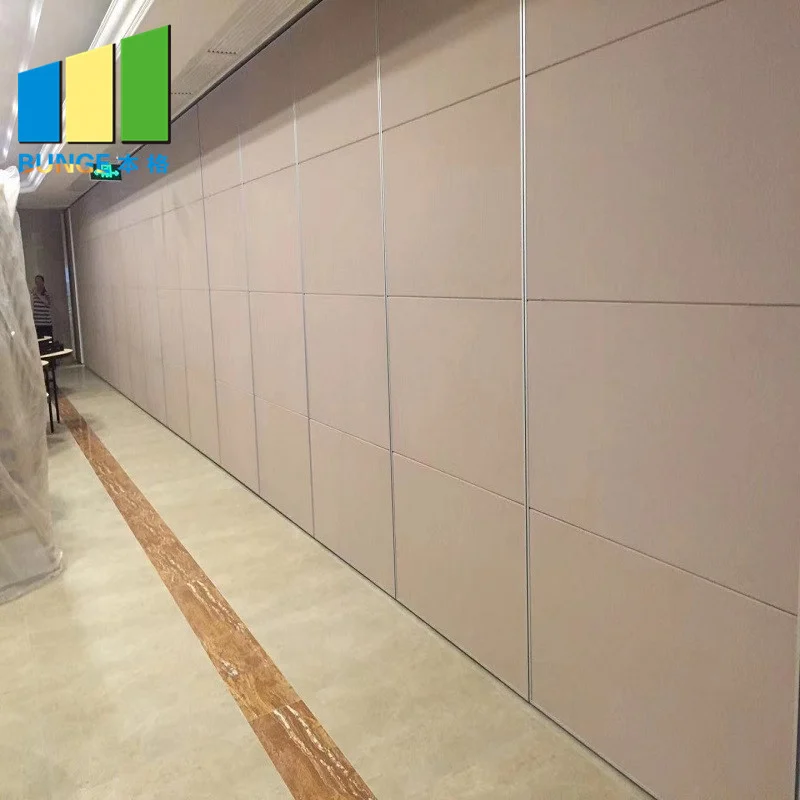
Where documentation is required, discuss pass-door requirements and project documentation with the supplier early. For maintained product context, see the movable walls product page and the resources library.
Frequently Asked Questions
What is movable partition renovation stage-gate sequencing?
It is a planning method that divides a renovation into decision gates. Each gate confirms separation, routes, parking and documentation before an occupied zone is released to demolition.
Can movable partitions be used while a building remains occupied?
They can be considered wherever flexible spatial division, combination or reconfiguration is required. Suitability depends on the layout, route continuity, support review and project-specific requirements.
Do movable partition panels need a floor track?
EBUNGE movable partition panels are top-hung and move without a continuous floor running track or floor hardware along the partition line. Every movement path still requires a continuous connected overhead route and project-specific support review.
How should acoustic requirements be handled in phasing?
Define the acoustic intent for each zone and phase, then confirm it with the responsible acoustic consultant and supplier.
What finishes are available?
Confirmed finish options include laminate, melamine, fabric, leather, glass and other approved surfaces.
When should the supplier be involved?
Involve the supplier during Gate 2 and Gate 3, when routes and parking are still flexible. Early involvement reduces the risk of releasing a zone before temporary separation can be reinstated.
Conclusion and Next Step
Stage-gate sequencing turns a difficult occupied renovation into a series of confirmable decisions. The rule is simple: no zone is released to demolition until temporary separation is reinstated elsewhere, the route is continuous and supported, and the parking position is coordinated. Confirm support, acoustic and dimensional requirements for your project before proceeding.
To discuss pass-door requirements, project documentation or layout review, contact the EBUNGE team.