
When you are planning a training center, the movable partition price is often one of the first numbers you need to pin down. But as an interior designer, you know that a simple price tag rarely tells the full story. The real cost of a movable partition wall involves more than the initial quote; it includes installation complexity, acoustic performance, customization, and long-term durability. This guide is designed to help you navigate the budgeting process, understand the factors that influence movable partition price, and prepare you for a productive conversation with suppliers. By the end, you will know exactly what information to gather and what questions to ask to get accurate, comparable quotes.
Direct answer: The movable partition price for a training center typically ranges from $30 to $200 per square foot, depending on acoustic rating, finish, track system, and installation complexity. However, the final cost is highly project-specific; the only way to get an accurate estimate is to provide your supplier with detailed project information, including opening sizes, drawings, acoustic targets, finish preferences, and location.
Why Movable Partition Prices Vary So Much
Unlike standard drywall, a movable partition wall is a precision-engineered system. The price variation comes from several key components: the track system (top-hung vs. floor-mounted), the panel construction (single vs. double glazed, thickness), the acoustic seals, and the hardware. For a training center, you might need higher acoustic performance to minimize distractions, which adds cost. Additionally, custom finishes or branding can increase the price. Understanding these variables helps you set a realistic budget and avoid surprises.
For example, a basic operable wall system with a manual top-hung track and standard laminate finish will be at the lower end of the range. In contrast, a custom movable wall with acoustic ratings of STC 50+, automatic seals, and wood veneer finishes will be at the higher end. The key is to define your requirements clearly before requesting quotes.
Need help turning the movable partition price requirements into a practical project layout?
Key Cost Drivers in Movable Partition Systems
To make an informed decision, you need to understand what drives the cost. Here are the primary factors:
- Acoustic Performance: Higher STC ratings require thicker panels, better seals, and more complex engineering, increasing cost.
- Track System: Top-hung track systems (without floor rail) are often preferred for training centers due to ease of cleaning and accessibility. They may cost more than floor-mounted systems but offer design flexibility.
- Panel Construction: Single panel vs. double panel, glazing options, and panel height affect material and manufacturing costs.
- Finish and Customization: Custom colors, fabrics, or acoustic wall panels add to the price. If you need to match existing décor, expect additional charges.
- Installation Complexity: The number of panels, the length of the track, and the building structure (e.g., ceiling height, load-bearing capacity) influence installation time and labor costs.
- Automation and Technology: Motorized operation, integrated lighting, or smart controls add convenience but also increase cost.
By evaluating these factors, you can prioritize what is essential for your training center and allocate your budget accordingly.
Understanding Total Cost of Ownership
When comparing movable partition prices, it is tempting to focus only on the initial purchase price. However, the total cost of ownership (TCO) includes installation, maintenance, and potential replacement parts over the system’s lifetime. A cheaper partition might require more frequent repairs or have lower durability, leading to higher long-term costs. Conversely, a higher upfront investment in a quality system can pay off in reliability and longevity.
Consider the warranty: what does it cover, and for how long? A comprehensive warranty that includes parts and labor can be valuable, but it is often reflected in the price. Also, think about the ease of operation. A top-hung track system without a floor rail is easier to clean and maintain, reducing ongoing costs. For a training center that may reconfigure spaces frequently, a durable, smooth-operating system is a worthwhile investment.
How to Get Accurate Quotes: Information Suppliers Need
To receive precise movable partition price quotes, you must provide suppliers with detailed information. Incomplete or vague requirements lead to ballpark figures that can be off by 20% or more. Here is a checklist of what to prepare:
- Opening Sizes: Provide exact dimensions (width, height) of the openings to be divided.
- Drawings: Architectural or reflected ceiling plans that show the partition locations and any obstacles.
- Acoustic Target: Specify the desired STC rating (e.g., STC 40-45 for general training, STC 50+ for confidential sessions).
- Finish Preference: Describe the desired surface finish (e.g., laminate, fabric, glass, or custom color).
- Project Location: Mention the city and site conditions, as labor and logistics costs vary.
- Number of Panels and Stacking Area: Indicate how many panels you need and where they will stack when open.
- Operation Method: Manual or motorized? Top-hung or floor-mounted?
With this information, suppliers can provide a more accurate quotation. If you are unsure about any technical details, consult with a specialist or refer to our blog for guidance.
Price vs. Quality: Making a Balanced Choice
In any project, there is a trade-off between price and quality. For movable partitions, quality manifests in acoustic performance, ease of operation, and durability. A low-cost system might meet basic needs but could fail to provide adequate sound insulation, leading to complaints and costly retrofits. On the other hand, over-specifying can blow your budget. The key is to match the system to your specific requirements.
For a training center, consider the types of activities: if you often have simultaneous sessions, a higher acoustic rating is essential. If the space is used for open discussions, a lower rating may suffice. Also, think about the frequency of use. A system that is moved daily requires robust hardware and smooth operation, which justifies a higher price. Remember, the cheapest option is not always the most cost-effective in the long run.
Installation and Delivery: Hidden Costs and Timeframes
Installation is a significant part of the total cost. The complexity of the installation depends on the site conditions. For example, if your training center has a high ceiling, you may need special equipment to install the track. If the floor is uneven, adjustments may be required. These factors can add to the labor cost and extend the project timeline.
Delivery time also impacts cost. If you have a tight deadline, expedited manufacturing and shipping may incur additional fees. Plan ahead to avoid rush charges. Discuss with your supplier about lead times and any potential delays. A reliable supplier will provide a realistic schedule and keep you informed.
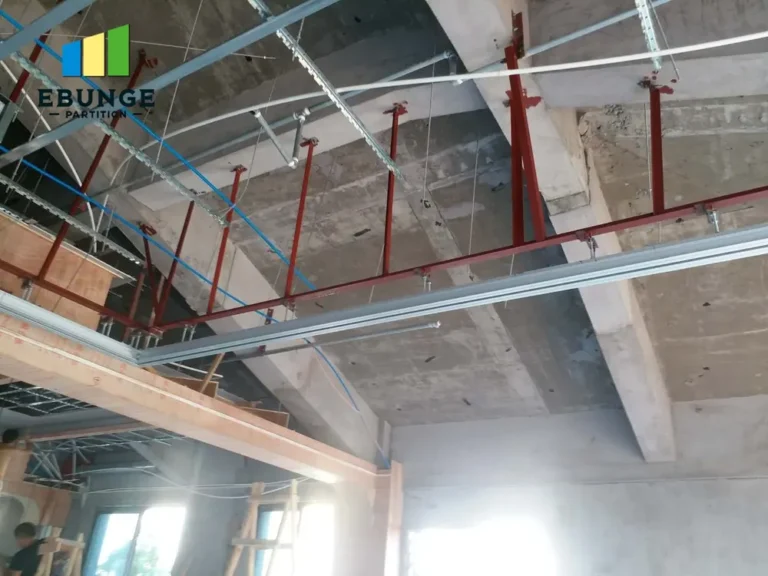
Share the opening, drawings, finish direction, and privacy target for a project-specific review.
Customization Options That Affect Price
Customization can significantly influence the movable partition price. Standard panels are mass-produced, reducing costs. Custom sizes, shapes, or finishes require additional engineering and manufacturing time, increasing the price. For a training center, you might want to incorporate whiteboard surfaces, acoustic fabric, or even glass panels for natural light. Each of these options adds to the cost.
To manage customization costs, prioritize what is essential. For instance, if acoustic performance is critical, invest in better seals rather than expensive finishes. If you need a specific color, use paint or laminate instead of custom fabric. Discuss your ideas with the supplier to find cost-effective solutions that meet your aesthetic and functional needs.
Financing and Budgeting for Your Project
Movable partitions are a capital expense. If your budget is tight, explore financing options. Some suppliers offer leasing or payment plans. Additionally, consider the long-term value: a durable system may reduce replacement costs, making it a better investment. When budgeting, include a contingency of 10-15% for unforeseen expenses. This will help you avoid financial stress during the project.
Remember to factor in the cost of any additional hardware, such as seals, floor guides (if applicable), or storage. A top-hung track system without floor rail may reduce floor maintenance costs and improve accessibility, which is a benefit for training centers. Discuss these options with your supplier to understand the full scope of costs.
Practical Checklist for Requesting Quotes
To streamline the quotation process and get comparable bids, use this checklist:
| Item | Details to Provide |
|---|---|
| Opening dimensions | Width, height, number of openings |
| Drawings | Floor plans, sections, elevations |
| Acoustic requirement | Target STC rating (e.g., 45) |
| Finish | Laminate, fabric, glass, custom color |
| Track system | Top-hung (preferred) or floor-mounted |
| Operation | Manual or motorized |
| Stacking area | Where panels will rest when open |
| Project location | City, site conditions |
| Timeline | Required delivery and installation date |
By providing these details, you will receive more accurate quotes and be able to compare them fairly.
Conclusion: Making a Confident Decision
Understanding the movable partition price is not just about finding the lowest number; it is about getting the best value for your training center. By considering the factors outlined above, you can make a confident decision that balances cost, quality, and functionality. Remember to gather all necessary information, ask the right questions, and evaluate total cost of ownership. For more insights, explore our cost category or contact our team for personalized assistance.
Frequently Asked Questions
1. What is the average cost of a movable partition wall for a training center?
While prices vary, a typical range is $30-$200 per square foot. The exact cost depends on acoustic rating, finish, and installation complexity. To get an accurate estimate, provide your supplier with detailed project specifications.
2. How does the top-hung track system affect the price?
A top-hung track system without a floor rail is often preferred for its clean look and ease of maintenance. It may cost slightly more than a floor-mounted system due to the structural support required, but it offers better accessibility and is often worth the investment for training centers.
3. What are the most important factors that influence the cost?
The main factors are acoustic performance, panel construction, track type, finish, customization, installation complexity, and technology features. Prioritize your needs to manage costs effectively.
4. How can I get an accurate price quote?
Provide your supplier with opening sizes, drawings, acoustic targets, finish preferences, project location, and any other relevant details. The more information you provide, the more accurate the quote will be.
5. Does installation cost vary by location?
Yes, labor rates and logistics differ by region. Mention your project location when requesting quotes to get a realistic estimate.
6. What should I look for in a warranty?
Look for a warranty that covers parts and labor for a reasonable period (e.g., 5-10 years). Ensure it includes the track system and moving parts, as these are subject to wear.
Send the opening size and drawings to discuss a differentiated movable partition price solution.