
When planning a training center, the choice of a movable partition installation is often driven by the need for flexible spaces that can host both large seminars and small breakout sessions. However, the success of such a project hinges not just on the product, but on the careful coordination of structural, acoustic, and logistical details. As an interior designer, you must guide your client through a series of technical decisions that will impact the installation timeline, budget, and long-term performance. This guide focuses on the critical checks you need to perform before and during a movable partition installation, ensuring that your project proceeds smoothly and meets the expectations of all stakeholders.
Direct answer: For a training center movable partition installation, the most critical checks are verifying the structural beam support, ensuring the top-hung track layout is precise, coordinating site access and utilities, and confirming acoustic performance requirements. These checks mitigate installation risks and ensure the operable wall system functions reliably for daily use.
1. Structural Beam Support: The Non-Negotiable Foundation
The top-hung track system, which is a hallmark of many movable partition walls, transfers the entire weight of the partition to the building’s overhead structure. Therefore, the first and most crucial check is to confirm that the existing beams can support the additional load. This is not a generic assumption; it requires a structural engineer’s assessment based on the specific partition weight and the track layout.
For a training center, where partitions may be frequently opened and closed, the dynamic load on the structure is higher than for static walls. You must obtain the manufacturer’s technical data on the partition’s weight per linear meter and compare it with the building’s load capacity. If the structure is inadequate, you may need to reinforce the beams, which can add significant time and cost to the project. Ignoring this check can lead to sagging tracks, misalignment, and potential safety hazards.
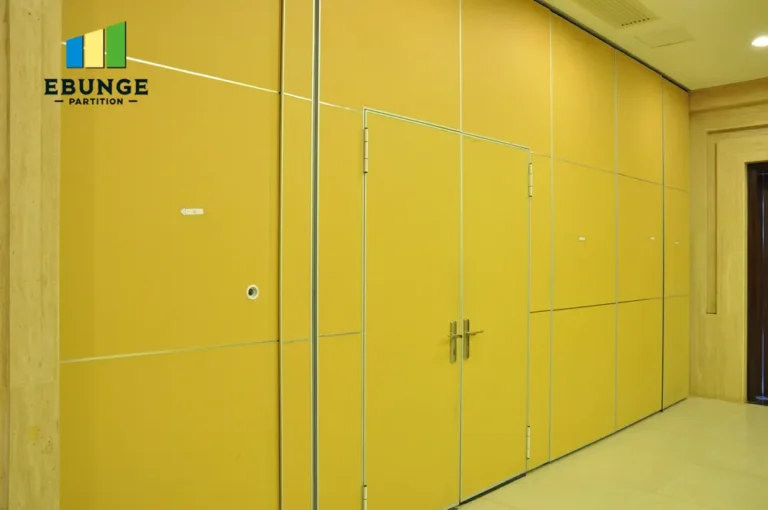
Need help turning the movable partition installation requirements into a practical project layout?
2. Track Layout and Ceiling Integration
The track layout is the roadmap for the movable partition installation. It determines how the panels will stack, turn corners, and align with the ceiling and floor. In a training center, you might have multiple partition lines that intersect or require curved sections. Each of these adds complexity to the track design.
Your installation supplier should provide a detailed shop drawing showing the track path, including all radii, clearances, and connection points. Check that the ceiling grid or soffit can accommodate the track housing, and that there is sufficient space for the partition to be stored when not in use. Also, consider the integration with lighting, HVAC, and sprinkler systems. A poorly planned track layout can result in interference with these services, leading to delays and rework.
3. Site Coordination: Access, Utilities, and Sequencing
Movable partition installation is not an isolated activity; it must be coordinated with other trades on site. Before installation begins, verify that the installation crew has clear access to the area, including sufficient space to maneuver large panels and the track sections. If the training center is on an upper floor, check the elevator size and the path from the delivery point to the installation area.
Utilities such as electrical outlets, data ports, and lighting controls that are mounted on the partition must be pre-planned. The installation team will need to coordinate with electricians and low-voltage technicians to ensure that connections are made correctly. Also, sequence the installation to avoid conflicts with painting, flooring, and ceiling work. A well-coordinated schedule minimizes downtime and prevents damage to finished surfaces.

4. Acoustic Performance: Setting Realistic Targets
In a training center, acoustic privacy is often critical, especially when multiple sessions run simultaneously. The acoustic performance of a movable partition is measured by its Sound Transmission Class (STC) rating, but achieving a specific rating depends on the entire assembly, including the partition, perimeter seals, and the surrounding structure.
Before installation, define the acoustic target based on the intended use of the spaces. For example, a partition separating two training rooms may require a higher STC than one separating a classroom from a corridor. The installation must include proper perimeter sealing at the head, sides, and bottom (even if using a top-hung system without a floor rail, the bottom seal must be effective). Also, consider flanking paths through the ceiling plenum or adjacent walls, which can undermine acoustic performance. Your supplier should provide guidance on achieving the desired acoustic results, but the final performance will depend on the quality of the installation.
5. Ease of Operation and Maintenance Requirements
Movable partitions in a training center will be used daily, often by staff who are not technical experts. Therefore, the ease of operation is a key factor in user satisfaction. Check that the partition can be opened and closed smoothly, with minimal effort. The top-hung system should have high-quality rollers and guides that ensure consistent movement.
Also, consider the maintenance requirements. Ask about the recommended service intervals for the track and rollers, and whether the panels can be easily replaced or repaired if damaged. A partition that requires frequent adjustments or specialized maintenance can become a burden for the facility team. Choose a system that offers durability and low maintenance, but be realistic about the need for periodic inspections.
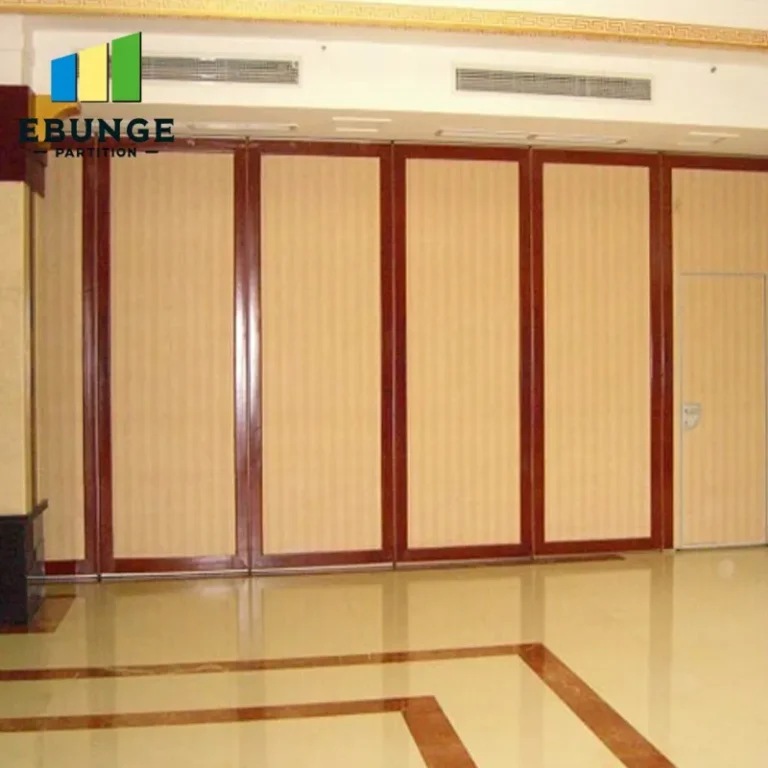
6. Installation Time and Cost: Planning for Realities
The installation time and cost are influenced by the complexity of the project, the site conditions, and the supplier’s experience. While it is tempting to focus on the lowest bid, the cheapest option may not provide the necessary quality or support. Instead, request a detailed quotation that includes all components, labor, and any potential extras, such as structural reinforcement or custom finishes.
Discuss the installation timeline with the supplier and ensure it aligns with your overall construction schedule. Remember that unexpected delays can occur, so build in a buffer. Also, clarify the warranty terms: what is covered, for how long, and what exclusions apply. A reliable supplier will be transparent about these details, helping you avoid surprises later.
Share the opening, drawings, finish direction, and privacy target for a project-specific review.
7. Safety Compliance and Building Codes
Safety is paramount in any installation. Ensure that the movable partition system complies with local building codes and safety regulations, including fire resistance, emergency egress, and accessibility. The partition should not obstruct exit paths, and its operation should not pose a pinch or crush hazard.
Ask the supplier for documentation that proves compliance, such as test reports or certificates. Also, ensure that the installation crew follows safe work practices, especially when working at height. A safe installation not only protects the workers but also ensures the long-term safety of the end-users.
8. Warranty and After-Sales Support
A movable partition is a long-term investment, so the warranty and after-sales support are critical. Review the warranty terms carefully: what is covered, the duration, and the process for making a claim. A typical warranty might cover mechanical components for a certain number of years, but may exclude wear and tear or misuse.
Also, consider the supplier’s reputation for customer service. Will they be available for troubleshooting or repairs after installation? A responsive supplier can resolve issues quickly, minimizing downtime for your client. Check references or reviews to gauge their reliability.
9. Documentation and Handover
Finally, ensure that you receive comprehensive documentation upon completion of the installation. This includes as-built drawings, operation and maintenance manuals, and any warranties or certificates. This documentation is essential for future maintenance, modifications, or if you need to make a claim.
Also, arrange for a training session for the facility staff on how to operate and maintain the partition. A well-informed team will be able to use the partition effectively and identify potential issues early.
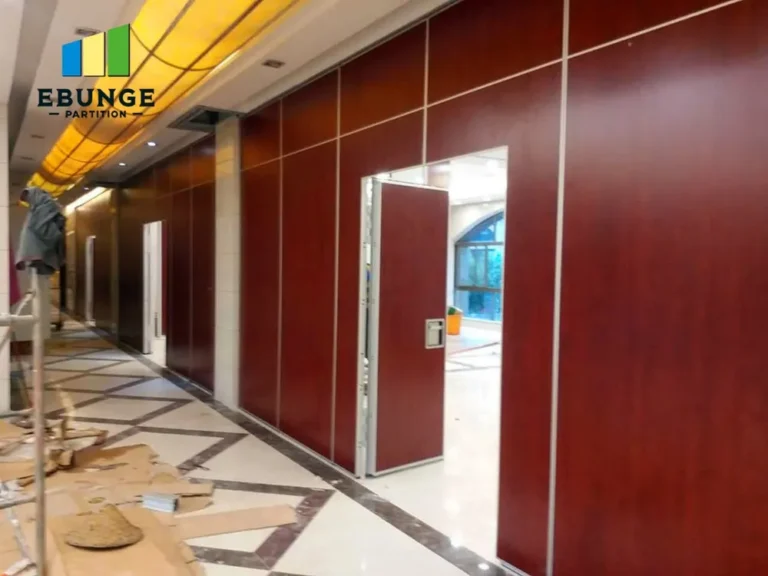
Practical Checklist for Movable Partition Installation
To help you prepare for your next project, here is a checklist of the key items to review before and during installation:
| Check Item | Details to Verify |
|---|---|
| Structural support | Beam load capacity, reinforcement needs |
| Track layout | Path, radii, clearances, integration with ceiling |
| Site access | Delivery path, elevator size, working space |
| Utilities | Electrical, data, lighting connections |
| Acoustic target | STC rating, perimeter seals, flanking paths |
| Operation ease | Roller quality, smooth movement |
| Maintenance | Service intervals, spare parts availability |
| Compliance | Building codes, fire safety, accessibility |
| Warranty | Coverage, duration, claim process |
Conclusion: Ensuring a Smooth Movable Partition Installation
In summary, a successful movable partition installation in a training center requires careful attention to structural, acoustic, operational, and logistical details. By performing these checks, you can mitigate risks, avoid costly delays, and ensure that the partition meets the needs of your client. Remember to communicate openly with your supplier, ask for documentation, and plan for contingencies. With the right preparation, your project can achieve the flexibility and functionality that modern training environments demand.
For more insights on movable partition walls, you can explore our movable partition wall solutions or read our blog posts for industry tips. If you are ready to discuss your project, contact us to speak with an expert.
Frequently Asked Questions
1. What is the typical installation time for a movable partition in a training center?
Installation time varies based on the size and complexity of the project, but a standard installation can take anywhere from a few days to a couple of weeks. Factors such as site conditions, structural modifications, and the number of panels influence the timeline. Always obtain a detailed schedule from your supplier.
2. Can a movable partition achieve the same acoustic performance as a fixed wall?
While movable partitions can achieve high STC ratings, they may not match the performance of a well-constructed fixed wall due to potential sound leaks at the seals. However, with proper installation and perimeter sealing, they can provide sufficient acoustic privacy for most training scenarios. Discuss your specific acoustic requirements with the supplier.
3. How often does a movable partition require maintenance?
Regular maintenance is recommended at least once a year to check the track, rollers, and seals. High-usage partitions may need more frequent inspections. Following the manufacturer’s guidelines can extend the lifespan of the system.
4. Is it necessary to have a floor rail for a movable partition?
No, many modern movable partitions are top-hung, meaning they do not require a floor rail. This offers a seamless floor finish and easier cleaning. However, the structural ceiling must be capable of supporting the partition’s weight.
5. What information do I need to provide for a quotation?
To receive an accurate quote, you should provide the opening size (width and height), the number of panels required, the desired acoustic performance, finish preferences, and the project location. Detailed drawings are helpful for a precise quotation.
Send the opening size and drawings to discuss a differentiated movable partition installation solution.