
When planning an office meeting room, the choice of movable partition installation often determines how well the space adapts to daily needs. Movable partition finishes play a crucial role in both aesthetics and functionality, yet many buyers focus solely on the wall mechanism and overlook finish selection until it is too late. This guide helps hotel owners and facility managers understand what to consider when choosing movable partition finishes for office meeting rooms, from acoustic performance to maintenance, so you can prepare accurate inquiries and compare quotations effectively.
Direct answer: For an office meeting room, choose movable partition finishes that balance acoustic insulation, durability, and visual harmony with existing decor. Prioritize finishes that are easy to maintain, compatible with your chosen operable wall system, and specified to meet your acoustic target. Always verify finish options with your supplier before installation, and provide your room dimensions, acoustic requirements, and design preferences to get accurate quotations.
Why Finish Selection Matters in Movable Partition Installation
The finish of a movable partition wall is not just about looks. In a commercial setting, the finish affects how the wall performs acoustically, how it withstands daily use, and how it integrates with the room’s interior. A poorly chosen finish can lead to sound leakage, visible wear, and costly maintenance. For office meeting rooms, where confidentiality and professionalism are key, the finish must support the acoustic partition solutions you have selected. Movable partition finishes range from painted surfaces to laminated panels, veneers, and fabric wraps, each with different acoustic properties and durability levels.
When you request a quotation, the finish specification directly impacts the cost and lead time. Suppliers need to know your finish preference to provide accurate pricing. Without this information, you may receive a generic estimate that does not reflect your project’s requirements. Therefore, understanding finish options is a prerequisite for effective movable partition installation planning.
Need help turning the movable partition installation requirements into a practical project layout?
Key Factors to Evaluate for Office Meeting Room Partition Wall Finishes
Before contacting a movable partition finishes supplier, evaluate these factors to ensure the finish meets your operational needs.
Acoustic Performance
The finish contributes to the overall sound insulation of the partition. While the core structure and seals play a major role, the surface material can affect sound absorption and reflection. For example, fabric finishes can absorb sound better than smooth laminate, but they may require more maintenance. Your acoustic target, often expressed as a Sound Transmission Class (STC) rating, should guide your finish choice. Confirm with your supplier how the finish affects the acoustic performance of the operable wall system.
Durability and Maintenance
Office meeting rooms see frequent use. Finishes must resist scratches, stains, and impact. Laminate and veneer finishes are durable and easy to clean, while painted surfaces may chip and require touch-ups. Fabric finishes offer a premium look but need regular cleaning and are less resistant to wear. Consider the room’s traffic and the likelihood of damage. A finish that is difficult to maintain will increase long-term costs.
Compatibility with Existing Decor
The finish should complement the interior design of your office. Whether you prefer a modern glass-like finish or a warm wood veneer, the movable partition finishes supplier can provide samples to help you visualize the outcome. Ensure the finish matches your color scheme and materials to create a cohesive look. This is especially important in hotel environments where aesthetics are paramount.
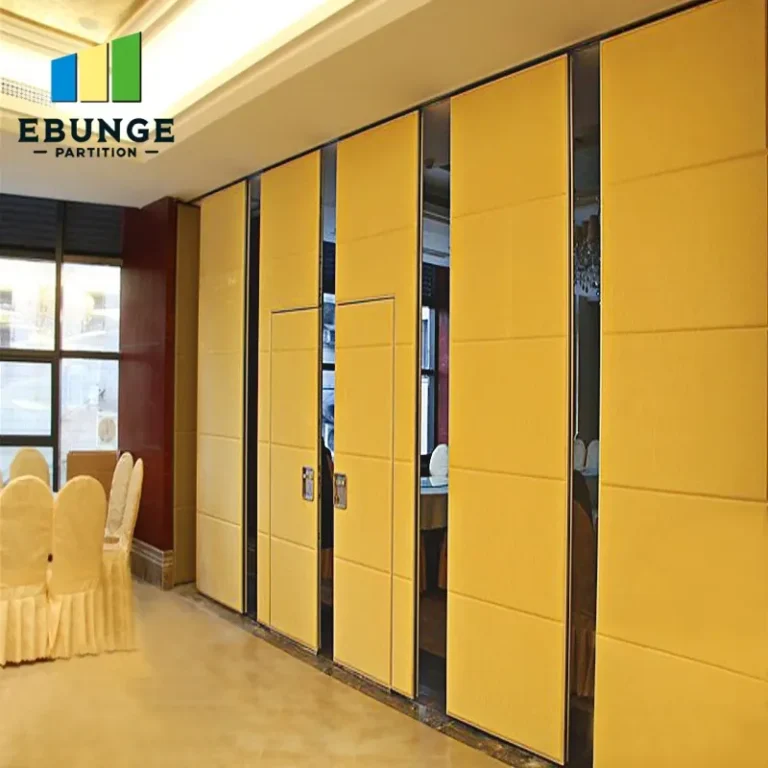
Understanding Top-Hung Track Systems and Finish Integration
Most office meeting room partitions use a top-hung track system, which supports the wall from above without a floor rail. This design offers flexibility and a clean floor surface, but it also imposes weight and structural constraints on the finish. Heavier finishes like stone or thick glass may require additional support, affecting the overall system design. Your supplier will need to know the finish weight to ensure the track and trolleys can handle it. Always discuss finish options in the context of the top-hung track system to avoid installation issues.
How to Specify Finishes for Your Meeting Room Partition Wall
When preparing your inquiry, be specific about your finish requirements. Here is a checklist to guide you:
- Determine the acoustic target (STC rating) for the meeting room.
- Choose a finish type (e.g., laminate, veneer, fabric, glass) that aligns with your design and maintenance needs.
- Consider the finish color and texture, and request samples.
- Verify the finish’s durability and ease of cleaning with the supplier.
- Check if the finish is compatible with the top-hung track system weight capacity.
- Ask about lead times and any customization options.
- Ensure the finish meets fire safety and building code requirements.
Providing this information upfront will help suppliers give you a precise quotation and reduce back-and-forth communication.
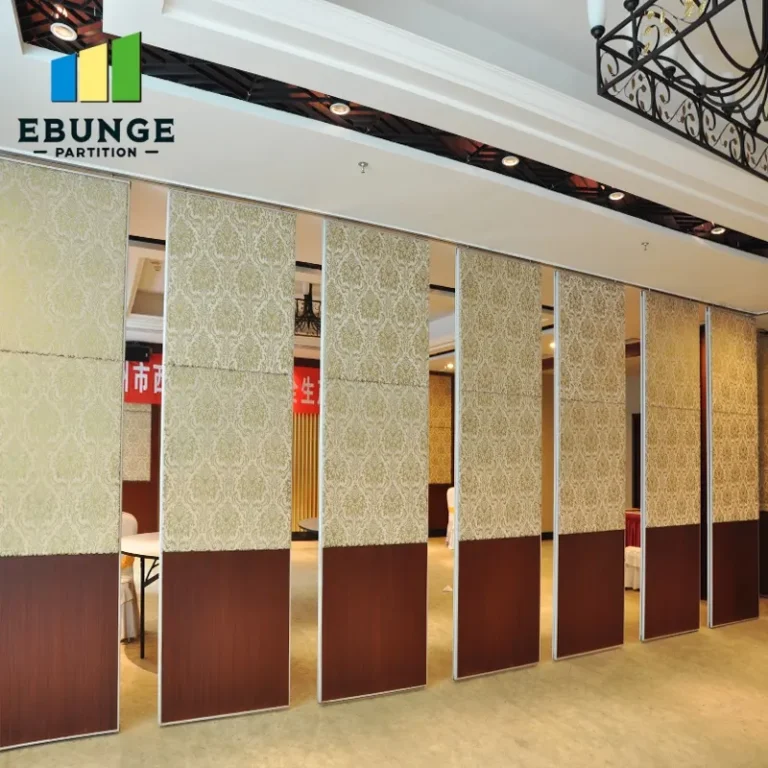
Comparing Finish Options: A Practical Guide
To help you compare, here is a simple table of common finish types for office meeting room partitions:
| Finish Type | Acoustic Contribution | Durability | Maintenance | Visual Appeal |
|---|---|---|---|---|
| Laminate | Moderate (reflective) | High | Easy to clean | Wide range of colors/patterns |
| Wood Veneer | Moderate | Medium | Requires occasional polishing | Classic, warm appearance |
| Fabric | Good (absorptive) | Low-Medium | Regular vacuuming, spot cleaning | Soft, acoustically friendly |
| Glass | Low (reflective) | High (tempered) | Easy to clean | Modern, transparent |
Note that actual acoustic performance depends on the entire partition system, not just the finish. Use this table as a starting point for discussions with your supplier.
Share the opening, drawings, finish direction, and privacy target for a project-specific review.
Cost vs. Value in Movable Partition Finishes
Finish selection significantly influences the overall cost of your movable partition installation. High-end finishes like natural wood veneer or custom printed glass cost more than standard laminate. However, they can enhance the perceived value of your space and potentially increase client satisfaction. Weigh the initial cost against the long-term benefits of durability and maintenance. A cheaper finish that requires frequent replacement may cost more over time. Always ask for a detailed breakdown of finish costs in your quotation to understand where your budget is going.
Common Mistakes to Avoid When Choosing Finishes
Many buyers make avoidable errors when selecting movable partition finishes. Here are a few to watch out for:
- Prioritizing aesthetics over acoustic performance, leading to poor sound insulation.
- Ignoring maintenance requirements, resulting in high upkeep costs.
- Not providing finish preferences in the inquiry, causing inaccurate quotations.
- Assuming all finishes are compatible with the top-hung track system.
- Overlooking the effect of finish weight on track capacity.
By avoiding these pitfalls, you can ensure a smoother installation process and a more functional meeting room.
How to Prepare a Detailed Inquiry for Your Supplier
To get the most accurate quotes, include the following information when contacting a movable partition finishes supplier:
- Room dimensions (width, height, depth) and opening size.
- Architectural drawings if available.
- Acoustic target (e.g., STC 40).
- Finish preference (type, color, texture).
- Project location and timeline.
- Any special requirements (e.g., fire rating).
This information allows suppliers to provide a tailored quotation and reduces the risk of misunderstandings. For more guidance on movable partition walls, you can visit our movable partition wall overview or explore our blog articles for additional insights.
Conclusion: Making the Right Choice for Your Office Meeting Room
Choosing the right movable partition finishes is a strategic decision that affects the functionality, aesthetics, and longevity of your office meeting room. By considering acoustic performance, durability, maintenance, and compatibility with your top-hung track system, you can select a finish that meets your needs and budget. Remember to provide detailed information to your supplier, including opening size, acoustic target, finish preference, and project location, to ensure a smooth quotation process. For professional guidance and custom solutions, contact our team at Acoustic Partition to discuss your project requirements.
Frequently Asked Questions
What is the best finish for an office meeting room partition?
The best finish depends on your priorities. If acoustic performance is critical, fabric finishes are beneficial. For durability and ease of maintenance, laminate is a solid choice. Consider your design preferences and maintenance capacity when deciding.
How does the finish affect acoustic performance?
The finish can influence sound absorption and reflection. Softer materials like fabric absorb sound, reducing echo, while hard surfaces like glass reflect sound. The overall acoustic rating depends on the entire partition system, including cores and seals.
Can I customize the finish to match my office decor?
Yes, most suppliers offer customization options, including color matching, patterns, and materials. Provide samples or color codes to ensure the finish aligns with your interior design.
What maintenance is required for different finishes?
Laminate and glass are easy to clean with mild detergents. Wood veneer may need periodic polishing. Fabric requires regular vacuuming and spot cleaning. Choose a finish that fits your maintenance routine.
How long does it take to get a quotation for movable partition installation?
Quotation time varies by supplier and project complexity. Providing detailed information, including finish preferences and drawings, can expedite the process. Typically, you can expect a quote within a few business days.
Send the opening size and drawings to discuss a differentiated movable partition installation solution.