
When planning a conference room that needs to flex between intimate meetings and larger presentations, the choice of movable partition finishes can define both the room’s aesthetic and its acoustic performance. For school project buyers, the challenge is not just picking a color or texture; it’s about understanding how finishes interact with acoustics, durability, and the overall operable wall system. This guide focuses on design considerations for conference room partition walls, helping you make informed decisions that align with your project’s technical requirements and budget. We’ll explore how different finishes affect sound absorption, maintenance, and visual appeal, and we’ll provide practical steps to prepare for a quotation.
Direct Answer: For a conference room, the best movable partition finishes are those that combine high acoustic performance (STC ratings of 45 or higher) with durable, low-maintenance surfaces like vinyl or laminated panels. Opt for finishes that match your design aesthetic—whether that’s wood grain for warmth, fabric for sound absorption, or glass for openness—while ensuring they can withstand frequent use. Always specify your acoustic target, finish preference, and room dimensions to get accurate quotes from suppliers.
Understanding Acoustic Performance in Conference Room Partition Walls
Acoustic privacy is often the top concern for conference rooms. The finish of a movable partition wall plays a significant role in sound absorption and insulation. While the core of the wall (e.g., gypsum, steel, or aluminum) provides mass, the surface finish can absorb sound waves, reducing echo and reverberation. For example, fabric-faced panels absorb sound better than smooth vinyl, but they may be harder to clean. Acoustic partition solutions typically combine a dense core with a sound-absorbing finish to achieve desired STC ratings. When evaluating options, consider the specific acoustic needs of your conference room: will it host confidential discussions, or is it primarily for collaborative brainstorming?
Technical caution: STC ratings are laboratory measures and may differ from actual field performance. Always require test data from the supplier and verify that the installation meets the manufacturer’s specifications.
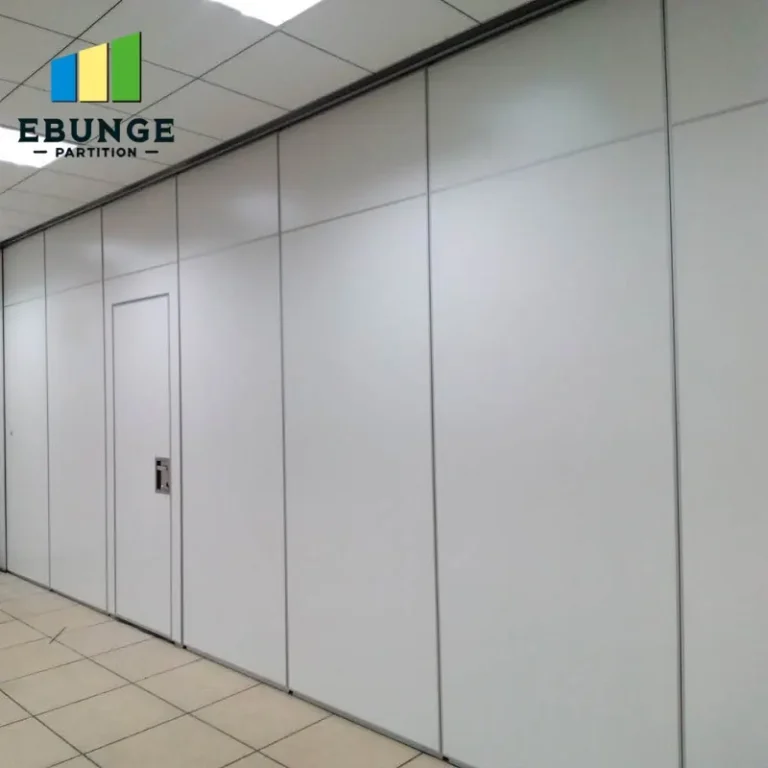
Need help turning the movable partition finishes requirements into a practical project layout?
Design Aesthetics: Matching Finishes to Your Conference Room Style
The finish of your movable partition should complement the existing interior design. Conference rooms often feature modern, minimalist aesthetics, so clean lines and subtle textures are popular. Options include:
- Wood grain laminates: Offer warmth and a professional look, but may require more maintenance to prevent scratches.
- Vinyl finishes: Durable, easy to clean, and available in a wide range of colors and patterns.
- Fabric panels: Provide excellent sound absorption and a soft appearance, but are less resistant to stains.
- Glass partitions: Create an open feel, but require careful acoustic treatment to maintain privacy.
For school projects, durability is key, as spaces may be used by students and staff. Consider high-pressure laminates (HPL) or vinyl that can withstand impact and frequent cleaning.
Durability and Maintenance Requirements
In a school environment, conference rooms may experience heavy use. The finish must resist scratches, dents, and stains. Vinyl and laminate finishes are generally more durable than fabric or painted surfaces. Additionally, consider the maintenance requirements: some finishes require special cleaning agents, while others can be wiped with a damp cloth. Ask the supplier for care instructions and warranty details. A durable finish will reduce long-term replacement costs, making it a cost-effective choice.
Ease of Operation: Top-Hung Track Systems
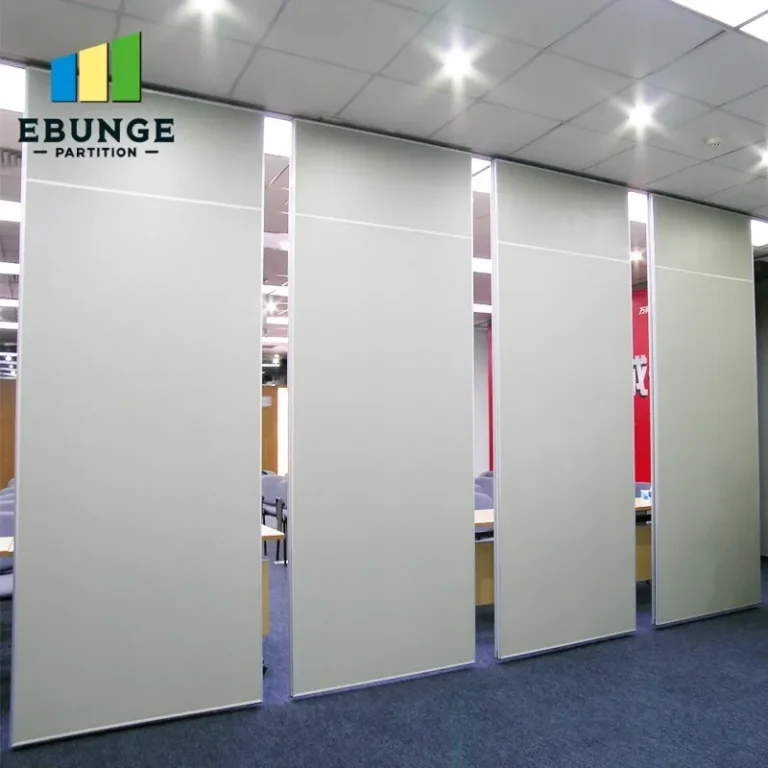
The operability of a movable partition is crucial for daily use. Top-hung track systems, where the partition is suspended from an overhead rail, offer smooth operation without floor tracks, which are easier to clean and safer for foot traffic. When evaluating finishes, ensure they do not interfere with the mechanism. For example, heavy fabric panels might require more effort to move, while lightweight laminates are easier. Ask the supplier about the maximum panel weight and the impact on manual operation. A well-designed operable wall system should glide effortlessly, even with acoustic seals.
Installation Time and Process
Installation time can affect your project schedule. Movable partition walls are typically installed by professionals, but the complexity depends on the system and finishes. Pre-finished panels can reduce on-site work, while custom finishes may require additional time. Discuss the installation timeline with your supplier and factor in any lead times for custom materials. For school projects, minimizing disruption to academic activities is often a priority, so consider a system that can be installed during breaks.
Customization Options for Your Movable Partition Finishes
Custom movable walls can be tailored to your specific needs. Finishes can be customized with school colors, logos, or patterns. Some suppliers offer digital printing on laminate or fabric, allowing for unique designs. However, customization may increase costs and lead times. Weigh the benefits of a branded space against budget constraints. For conference rooms, a subtle customization that reflects the institution’s identity can enhance the environment.
Compliance with Building Codes and Standards
Movable partition walls must comply with local building codes, including fire safety, accessibility, and egress requirements. Finishes must meet fire ratings, especially in public buildings like schools. Ensure that the chosen finish has the necessary certifications and that the installation meets code. Your supplier should provide documentation for compliance. For example, fire-retardant finishes may be required in certain zones. Always verify with your local authority.
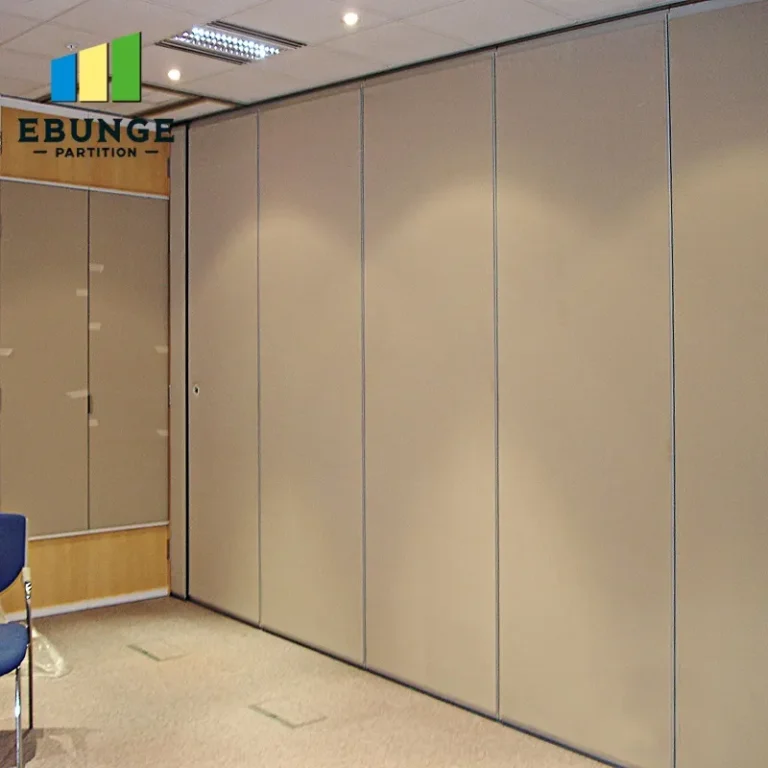
Share the opening, drawings, finish direction, and privacy target for a project-specific review.
Warranty and Support: What to Expect
A reliable warranty protects your investment. Ask the supplier about the warranty on both the partition system and the finishes. Typically, warranties cover manufacturing defects and may include parts and labor for a specified period. Also inquire about after-sales support, such as maintenance services or replacement parts. A responsive support team can extend the life of your movable partition walls.
Cost Effectiveness Without Sacrificing Quality
Balancing cost and quality is a common challenge. While cheaper finishes may reduce upfront costs, they might require more frequent replacement. Consider the total cost of ownership, including installation, maintenance, and potential repairs. A high-quality finish with a longer lifespan may be more economical in the long run. Request a detailed quotation that breaks down costs for materials, installation, and any customizations. Compare quotes from multiple suppliers, but be cautious of prices that seem too low—they may indicate inferior materials or workmanship.
Preparing for Your Quotation: Key Information to Share
To get accurate quotes, provide the following details to potential suppliers:
- Opening size: Width and height of the partition opening.
- Drawings: Architectural or layout drawings showing the space.
- Acoustic target: Desired STC rating or specific acoustic requirements.
- Finish preference: Material, color, pattern, or texture.
- Project location: For site assessment and logistics.
This information helps suppliers provide tailored recommendations and pricing. If you’re unsure about technical specifications, consult with an acoustic consultant or the supplier’s technical team.
Comparison Table: Common Finishes for Conference Room Movable Partitions
| Finish Type | Acoustic Performance | Durability | Maintenance | Cost | Best For |
|---|---|---|---|---|---|
| Vinyl | Good (can be combined with acoustic core) | High | Easy | Moderate | High-traffic areas |
| Laminate (HPL) | Good | High | Easy | Moderate | Durability and design variety |
| Fabric | Excellent | Low to medium | Harder | Moderate | Superior sound absorption |
| Glass | Poor unless specially treated | High | Easy | High | Openness and light |
| Wood veneer | Good | Medium | Moderate | High | Aesthetic appeal |
Practical Checklist for Selecting Movable Partition Finishes
- Define your acoustic requirements (STC target).
- Consider the room’s aesthetic and design style.
- Evaluate durability and maintenance needs.
- Check compliance with building codes.
- Obtain and compare detailed quotes.
- Verify warranty and after-sales support.
- Plan for installation time and logistics.
Frequently Asked Questions
What is the best finish for acoustic performance in a conference room?
Fabric finishes typically offer the best sound absorption, but they may require more maintenance. For a balance, consider fabric-wrapped panels with a durable vinyl edge or use acoustic panels behind a perforated finish.
Can I customize the finish with my school logo?
Yes, many suppliers offer customization options, including digital printing on laminate or fabric. Discuss your requirements with the supplier to ensure color fastness and durability.
How do movable partition finishes affect the STC rating?
The finish contributes to sound absorption, but the STC rating is primarily determined by the wall’s mass and construction. A finish with good absorption can improve overall acoustic performance, but it’s not the sole factor.
Are vinyl finishes durable enough for school environments?
Yes, vinyl is one of the most durable finishes, resistant to scratches and stains. It’s easy to clean and can withstand heavy use, making it ideal for schools.
What information do I need to provide for a quotation?
You’ll need to provide the opening size, drawings, acoustic target, finish preference, and project location. This allows suppliers to give accurate pricing and recommendations.
Conclusion
Choosing the right movable partition finishes for your conference room involves balancing aesthetics, acoustics, durability, and cost. By understanding your project’s specific needs and preparing the necessary information, you can make an informed decision that enhances both functionality and design. Remember to work closely with your supplier to ensure that the operable wall system meets all technical requirements and delivers long-term value. For more design ideas and technical guidance, explore our Movable Partition Design Ideas or learn about movable partition wall systems. If you’re ready to discuss your project, contact us for personalized assistance.
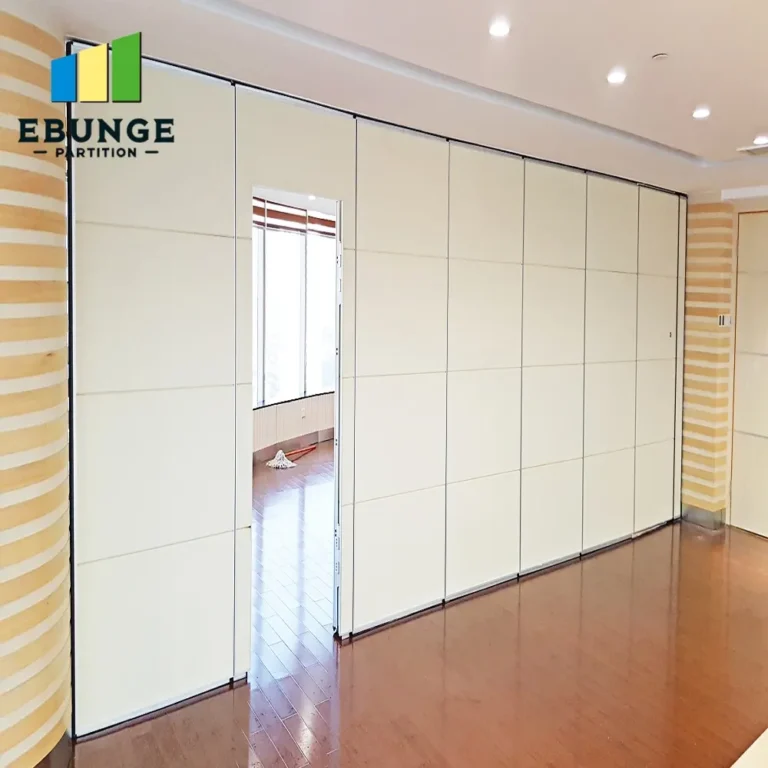
Send the opening size and drawings to discuss a differentiated movable partition finishes solution.