
Quick answer: daily track zone access handover
Review focus: daily track zone access handover.
The movable partition daily track zone access handover is the short, repeated transfer of control over the overhead track zone from one trade to the next. On most sites the ceiling crew, the floor crew and the partition crew all need the same narrow strip at different moments. Without a written handover, that strip becomes a daily argument. This framework helps overseas contractors plan the sequence, record the evidence and keep each trade working without guessing at another trade’s readiness.
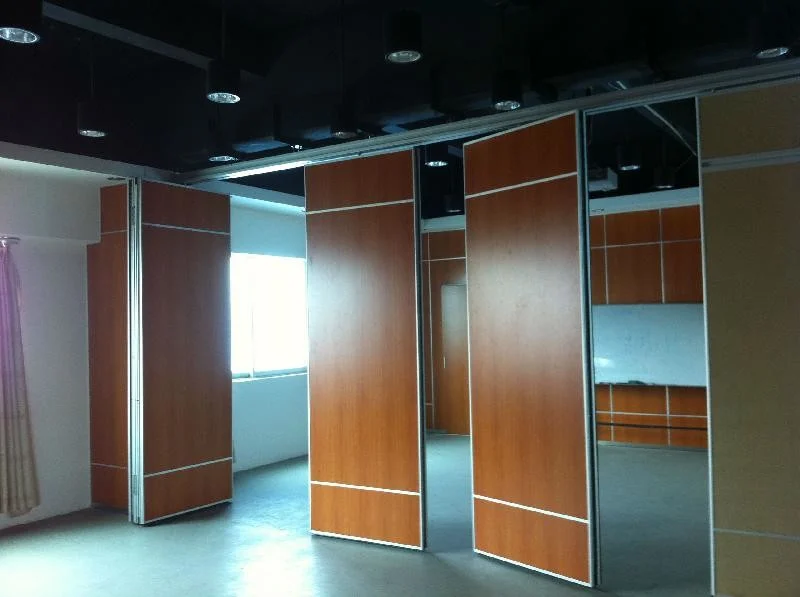
EBUNGE movable partition panels are individually movable, suspended from a top track, cross the opening without a floor track, and park at a planned stacking position. Straight, turning and stacking routes are reviewed from the layout. That single fact shapes the whole handover: the critical zone is overhead, and the floor line stays clear.
Why the Track Zone Becomes the Daily Conflict Point
Project review term: daily track zone access handover.
The track zone is a shared corridor. Ceiling crews need it for grid, services and closure. Floor crews need the same footprint for finishes, protection and access. Partition crews need a continuous connected overhead route before any panel can move. Each trade can be individually on schedule while the sequence still fails, because the zone is only wide enough for one activity at a time.
A handover sequence converts that competition into a timetable. It does not remove the conflict; it decides in advance who owns the zone, for how long, and what must be true before the next crew accepts it.
What Must Be Confirmed Before the First Handover
Coordination scope: daily track zone access handover.
Handovers fail when the underlying information is incomplete. Before the first daily transfer, the project team should be able to point to coordinated drawings that show the intended route, the parking position and the interfaces with ceiling and floor works. Confirm project-specific support, acoustic and dimensional requirements with the responsible design parties; do not infer them from a finish sample or a photograph.
Information the sequence depends on
- Coordinated layout showing straight, turning and stacking routes.
- Agreed parking position and how it is protected during other trades.
- Ceiling zone boundaries and the sequence for closing them.
- Floor protection and finish timing along the same footprint.
- Named person who accepts each handover and records it.
- Pass-door requirements, if any, discussed with the supplier.
Where any item is unresolved, treat the handover as conditional rather than complete. A conditional handover is still useful: it tells the next crew what is missing instead of leaving them to discover it.
A Daily Handover Sequence Between Three Crews
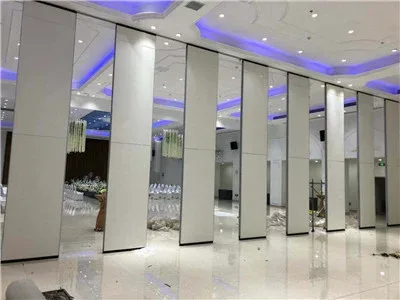
Checklist focus: daily track zone access handover.
The sequence below is a planning pattern, not a fixed rule. Adapt the order to the actual layout and to the project programme. The value is in the discipline of a repeated, recorded transfer.
- Morning zone check. The current zone owner confirms the area is clear, protected and ready for the next activity.
- Ceiling crew release. Ceiling works in the track corridor pause and the zone is released with any outstanding items listed.
- Partition crew acceptance. The partition crew confirms the overhead route is continuous and connected as drawn before any movement is planned.
- Floor crew coordination. Floor finishes and protection are sequenced so the clear floor line is not blocked during panel movement.
- Midday review. Any change to the route, parking or ceiling closure is logged and shared with all three crews.
- End-of-day return. The zone is returned to the controlling trade with the next day’s requirement stated in writing.
Evidence note
This article describes a coordination framework only. It does not confirm support capacity, acoustic performance, dimensions, loads or installation outcomes for any project. Those items require project-specific review and matching documentation.
Roles, Records and the Handover Log
Review focus: daily track zone access handover.
A handover without a record is a conversation. A handover with a record is a decision. Keep a simple daily log that names the zone, the releasing crew, the accepting crew, the time and any open item. The log does not need to be complex; it needs to be consistent, because disputes usually appear weeks later when the ceiling is closed and the route is no longer visible.
Assign one coordinator who can stop a handover when the zone is not ready. That authority matters more than the form itself. If the coordinator cannot pause a transfer, the sequence will drift back into informal negotiation.
Common Coordination Failures and How to Reduce Them
Project review term: daily track zone access handover.
Most failures are predictable. Ceiling closure proceeds before the partition route is verified. Floor finishes are laid across the movement path and then protected badly. Parking positions are treated as spare storage. Each of these is a sequencing problem, not a product problem.
| Failure pattern | Early warning sign | Planning response |
|---|---|---|
| Ceiling closed too early | Grid completed before route check | Hold closure until the route is confirmed as drawn |
| Floor finish across the path | Protection laid without a movement plan | Sequence finishes around the agreed route |
| Parking used as storage | Materials stacked at the stacking position | Mark and protect the parking zone daily |
| Verbal-only handovers | No named acceptor | Use a short written daily log |
None of these responses require new product claims. They require the project team to agree the route, protect it and record the transfer.
How Finishes and Interfaces Affect the Handover
Confirmed finish options include laminate, melamine, fabric, leather, glass and other approved surfaces. The exact overhead route and support arrangement must be confirmed by the responsible project team from coordinated drawings. This is a handling consideration, not a statement about durability or cleaning performance.
The suitability of each route and parking arrangement depends on the approved layout, circulation, ceiling interfaces and operating sequence. Where acoustic separation matters, confirm the project-specific requirement with the responsible parties and review the relevant documentation.
Frequently Asked Questions
What is a movable partition daily track zone access handover?
It is the scheduled transfer of control over the overhead track zone between the ceiling crew, the floor crew and the partition crew, usually once or more per working day. It defines who may work in the zone, what must be complete before release, and who accepts responsibility next.
Does the partition need a floor track for this sequence to work?
No. EBUNGE movable partition panels are top-hung and cross the opening without a floor track. The handover therefore focuses on the overhead route and on keeping the floor line clear for movement and finishes.
Which drawings should be reviewed before the first handover?
Review the coordinated layout showing straight, turning and stacking routes, the intended parking position, and the interfaces with ceiling and floor works. Confirm project-specific support, acoustic and dimensional requirements with the responsible design parties.
Can the handover sequence be adjusted for a fast-track programme?
Yes, the order can be compressed, but the record should remain. Compressing the sequence without a written transfer usually moves the conflict later rather than removing it.
How should pass doors be handled in the sequence?
Pass-door requirements can be discussed with the supplier and should be identified before the zone is released, because they affect how the opening is used during and after installation.
What should be recorded when a handover is incomplete?
Record the zone, the releasing crew, the accepting crew, the time and the specific open item. A conditional handover is acceptable when the missing item is named and tracked.
Conclusion and Next Step
A daily track-zone access handover works when it is simple, repeated and recorded. Confirm the route from the layout, protect the parking position, keep the floor line clear, and let one coordinator pause a transfer that is not ready. That discipline reduces workfront conflict without relying on unsupported performance assumptions.
To discuss pass-door requirements, project documentation or configuration for your layout, contact the EBUNGE team. You can also review movable wall systems and browse further planning resources before your next coordination meeting.