
When planning a school hall partition, the movable partition cost is often the first figure on your budget sheet, but the final number depends on a web of technical and logistical factors. For architects, the challenge is not just finding a price but understanding what drives it. This article breaks down the components that influence the investment in a top-hung track system, helping you prepare accurate estimates and confident inquiries. Whether you are specifying for a new build or a retrofit, knowing these factors ensures you ask the right questions and avoid surprises during procurement.
Direct answer: The movable partition cost for a school hall top-hung track system is influenced by hall dimensions, acoustic performance requirements, track length and configuration, panel materials and finishes, fire safety compliance, installation complexity, and customization needs. Each factor must be evaluated against your project’s specific drawings and specifications to obtain an accurate quotation.
1. Hall Dimensions and Configuration: The Starting Point
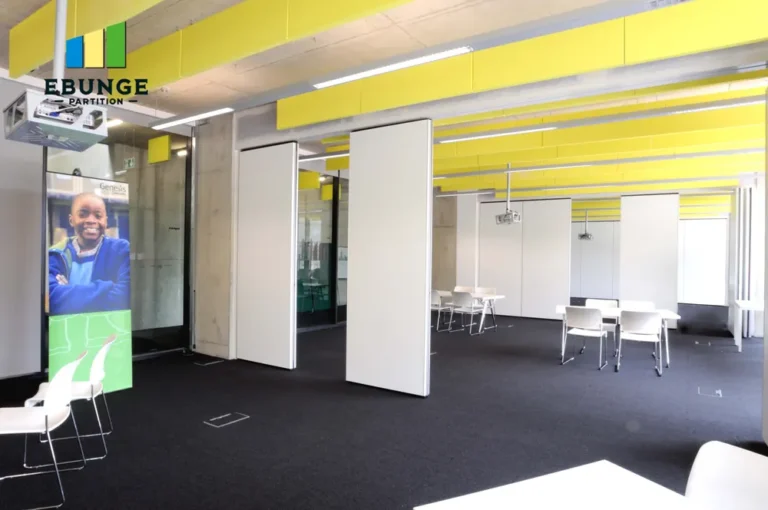
The size and shape of your school hall directly affect the movable partition cost. Larger spans require longer tracks, more panels, and heavier structural support. Irregular layouts, such as halls with curved walls or multiple entry points, demand custom track designs, increasing engineering and fabrication effort. For a top-hung track system, the track must be securely anchored to the building’s overhead structure; if the existing structure is not suitable, additional steelwork may be required, adding to the total installed cost.
Accurate measurements are critical. Provide your supplier with detailed floor plans and elevations, including ceiling heights, column positions, and any obstructions. This information allows for a precise layout of the operable wall system, minimizing waste and reducing the risk of on-site adjustments.
Need help turning the movable partition cost requirements into a practical project layout?
2. Acoustic Performance: Meeting Educational Standards
School halls often serve multiple purposes—assemblies, performances, exams, and sports—so acoustic separation is non-negotiable. The required sound insulation rating, typically measured in Rw (weighted sound reduction index), significantly impacts the movable partition cost. Higher acoustic ratings demand thicker panels, additional mass, and specialized edge seals, all of which increase material and manufacturing costs.
For example, a partition with an Rw of 40 dB might suffice for general use, but a music room or exam hall may require Rw 50 or higher. Acoustic partition solutions must also consider flanking paths—sound that travels over, under, or around the partition. This means integrating perimeter seals and ensuring the top-hung track system is installed with proper acoustic breaks. Be prepared to specify your target acoustic rating and any relevant building regulations.
3. Track System and Hardware: The Backbone of Operation
The top-hung track system itself is a major cost driver. Tracks must be engineered to support the weight of the panels and withstand frequent use in a high-traffic school environment. Heavy-duty tracks with smooth operation and durable bearings are more expensive but offer longevity and reliability. The length of the track, number of switches (if you need to stack panels at different angles), and the complexity of the layout all affect cost.
Hardware such as trolleys, hangers, and seals also contribute to the total. High-quality components reduce maintenance and extend the lifespan of the operable wall system. When requesting quotes, specify the expected frequency of use and any special requirements, such as touch-safe operation or integration with building management systems.
4. Panel Materials and Finishes: Balancing Aesthetics and Budget
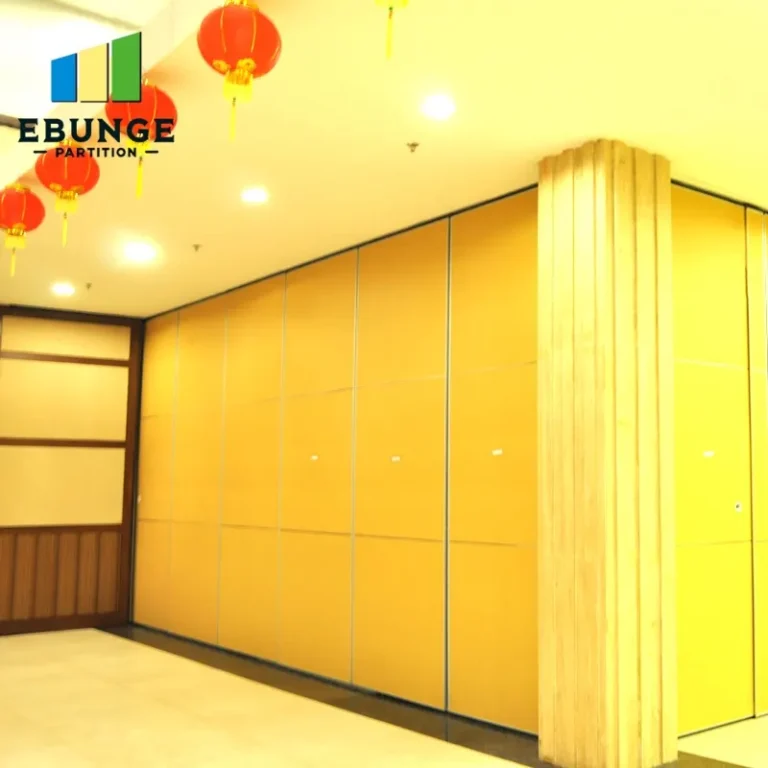
The choice of panel materials and finishes directly influences the movable partition cost. Standard options include painted steel, laminated boards, or fabric-wrapped panels. Each has different price points and performance characteristics. For a school hall, durability is key; panels must resist impacts, scratches, and graffiti. Some finishes, like high-pressure laminates, offer superior durability but cost more upfront.
Customization, such as incorporating whiteboard surfaces, tackable boards, or integrated doors, adds to the cost but enhances functionality. Architects should weigh the long-term benefits of these features against the initial investment. Finish selection also affects maintenance costs over time; some materials are easier to clean and repair, reducing lifecycle expenses.
5. Fire Safety and Building Codes: Non-Negotiable Compliance
School halls must comply with strict fire safety regulations. Movable partitions may need to meet fire resistance ratings, which influence the materials and construction methods used. Fire-rated panels are typically heavier and more expensive. Additionally, the top-hung track system must allow the partition to act as a smoke or fire barrier when closed, requiring specific seals and mechanisms.
Your supplier should be familiar with local building codes and able to provide documentation of compliance. While this may increase the movable partition cost, it is essential for safety and legal compliance. Failure to meet these standards can result in costly rework or project delays.
6. Installation Complexity and Site Conditions
Installation is a significant part of the total installed cost. Factors such as ceiling height, accessibility, and the condition of existing structures affect labor time and equipment needs. A top-hung track system requires precise alignment and secure anchoring; if the hall has a complex ceiling design or limited access, installation becomes more challenging and costly.
Site surveys are crucial to identify potential issues early. The supplier can then provide a realistic installation schedule and cost estimate. Additionally, if your project involves retrofitting into an existing building, there may be unforeseen complications, such as asbestos or outdated electrical systems, that increase costs. Always factor in a contingency for such risks.
7. Customization and Project Coordination
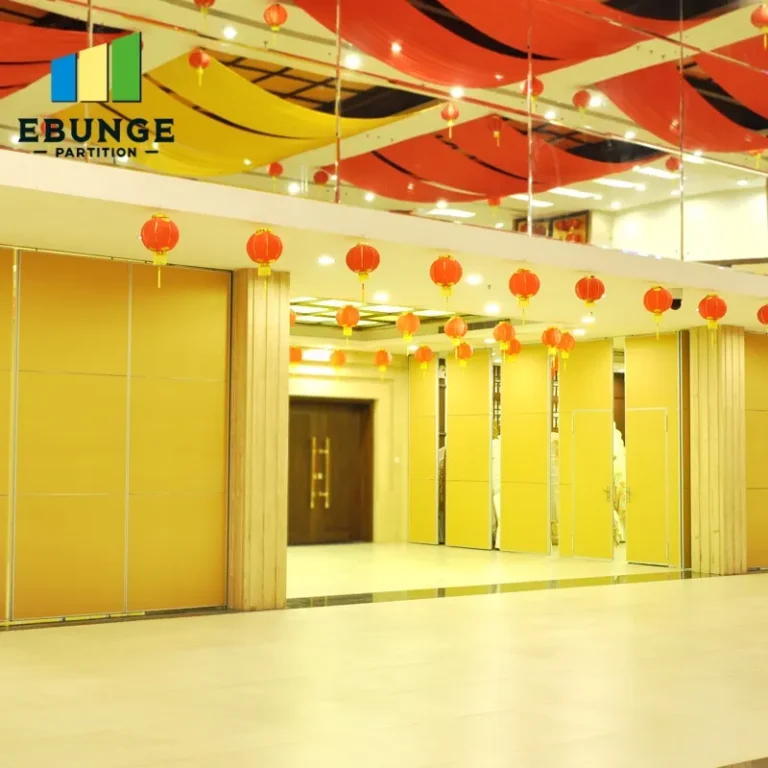
Every school hall is unique, and so are its partition requirements. Custom movable walls may involve special dimensions, unusual stacking configurations, or integrated audiovisual equipment. Customization increases engineering time and manufacturing complexity, directly impacting cost. However, it also ensures the partition perfectly fits your space and functional needs.
Effective project coordination between the architect, supplier, and installation team is essential to manage costs. Clear communication of specifications and timelines prevents misunderstandings and change orders. When engaging a top-hung track system supplier, ensure they offer comprehensive project support, from initial consultation to after-sales service.
Share the opening, drawings, finish direction, and privacy target for a project-specific review.
8. Lead Times and Scheduling: Time is Money
Lead times for custom movable walls can range from several weeks to months, depending on the complexity and the supplier’s workload. Rushed orders often incur expediting fees. To manage the movable partition cost, plan ahead and allow sufficient time for design, fabrication, and installation. Early involvement of the supplier can help streamline the process and avoid delays that might affect your overall project timeline.
9. Warranty and After-Sales Support
A robust warranty provides peace of mind and protects your investment. However, longer warranties and comprehensive coverage may be reflected in the upfront cost. When comparing quotes, examine the warranty terms: what is covered, for how long, and what is excluded. A reliable supplier will stand behind their product and offer maintenance services to extend the life of your operable wall system.
10. Total Cost of Ownership: Beyond the Initial Quote
While the initial movable partition cost is important, consider the total cost of ownership. This includes maintenance, repairs, and potential replacement over the building’s life. Durable, high-quality systems may have a higher upfront cost but lower long-term expenses. Conversely, cheaper options might require frequent repairs, leading to higher costs over time. Evaluate the lifecycle cost to make an informed decision.
Checklist for Accurate Movable Partition Cost Estimation
| Factor | Information to Provide |
|---|---|
| Hall dimensions | Width, height, depth, column positions, ceiling type |
| Acoustic requirement | Target Rw rating, any acoustic tests needed |
| Track configuration | Straight, curved, number of switches, stacking area |
| Panel specifications | Materials, finishes, thickness, fire rating |
| Site conditions | Accessibility, structural limitations, existing services |
| Customization | Special features like whiteboards, integrated doors |
| Timeline | Required delivery date, installation window |
Use this checklist when contacting suppliers to ensure you receive comparable quotes and avoid missing critical details.
Frequently Asked Questions
What is the typical range for movable partition costs?
Costs vary widely based on specifications, but a budget estimate can be obtained only after evaluating your project details. Contact a supplier with your drawings for a tailored quote.
Does a top-hung track system cost more than a floor-mounted system?
Top-hung track systems often have higher material costs due to structural requirements, but they offer benefits like clear floor space and easier cleaning. The total cost depends on your specific needs.
Can I retrofit a top-hung track system into an existing school hall?
Yes, but the existing structure must support the loads. A site survey is necessary to assess feasibility and associated costs.
How does acoustic rating affect the price?
Higher acoustic ratings require more robust materials and seals, increasing manufacturing complexity and cost. Specify your target rating to get accurate pricing.
What customization options are available for school hall partitions?
Options include various finishes, integrated whiteboards, tackable surfaces, and custom dimensions. Each adds to the cost but enhances functionality.
How long does it take to install a top-hung track system?
Installation time varies based on project size and complexity. A typical school hall partition might take a few days to a week, but this should be confirmed with your supplier.
Conclusion: Making Informed Decisions
Understanding the factors that influence movable partition cost empowers you to budget accurately and communicate effectively with suppliers. By preparing detailed specifications and drawings, you can streamline the quotation process and avoid unexpected expenses. Remember, the cheapest option is not always the most cost-effective in the long run. Prioritize durability, acoustic performance, and compliance to ensure your investment delivers value for years to come.
For more insights on movable partition walls, explore our movable partition wall solutions and blog resources. To discuss your specific project, contact our team for expert guidance.
Send the opening size and drawings to discuss a differentiated movable partition cost solution.