
When planning a training center, the sliding folding partition wall is often the most scrutinized line item in the budget. Unlike standard drywall, this is a precision-engineered operable wall system that must deliver acoustic separation, daily reliability, and visual polish. For building material distributors, the challenge is not just quoting a price—it is understanding the variables that drive movable partition cost so you can guide clients toward a solution that fits both their space and their budget. This article breaks down the factors that influence pricing, what to prepare before requesting a quote, and how to evaluate supplier proposals with confidence.
Direct answer: The cost of a sliding folding partition wall for a training center is determined by the opening size, acoustic performance requirements, finish selection, track configuration, and the level of customization needed. To get an accurate quote, you must provide detailed drawings, specify the desired STC rating, choose finishes, and confirm the project location. A reliable supplier will use these details to offer a tailored quotation that aligns with your budget and performance expectations.
Movable Partition Cost: Why Training Centers Have Unique Partition Needs
Training centers are dynamic environments. One day you need a large open space for a seminar, the next you need three separate breakout rooms. This demands a movable partition wall that is easy to operate, durable enough for frequent use, and capable of providing adequate sound insulation. Unlike hotel ballrooms or office spaces, training centers often have specific acoustic requirements—participants need to hear clearly without distraction from adjacent sessions. This means the acoustic partition solution must be engineered to meet specific STC (Sound Transmission Class) ratings, which directly impacts the cost.
Moreover, training centers are often retrofitted into existing buildings, which can introduce structural constraints. The top-hung track system, which is EBUNGE’s preferred method, requires adequate overhead support. If the existing ceiling structure is not designed to carry the weight of the partition, additional steel reinforcement may be necessary, adding to the overall expense. Understanding these site-specific factors is crucial for accurate budgeting.
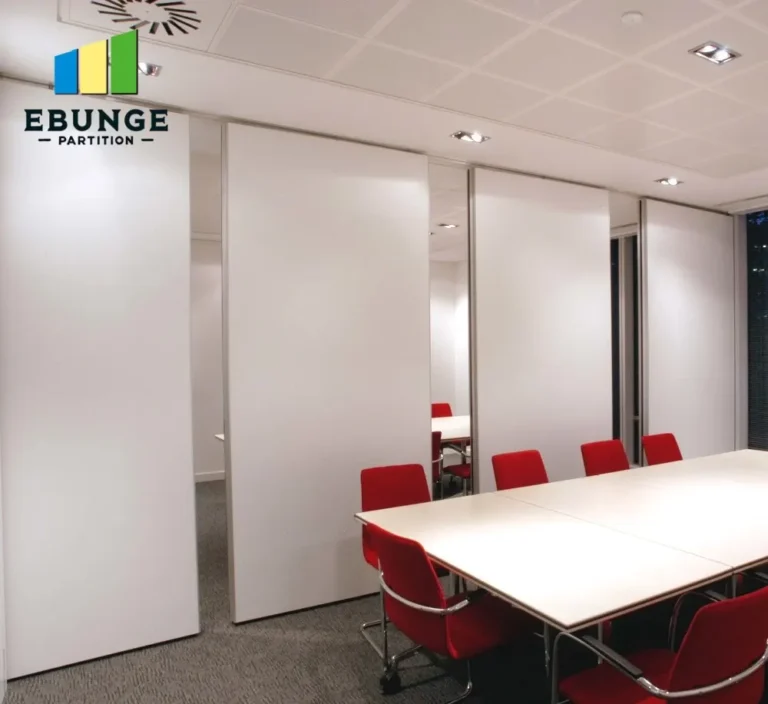
Need help turning the movable partition cost requirements into a practical project layout?
Key Cost Drivers in Sliding Folding Partition Wall Pricing
Several factors influence the movable partition cost. Here are the most significant ones to consider:
1. Opening Size and Configuration
The total square footage of the opening is the primary cost driver. Larger openings require more panels, more hardware, and more installation labor. Additionally, the shape of the opening—whether it is straight, curved, or has angles—affects complexity. Curved tracks, for example, are more expensive to manufacture and install. Also, the stacking space (where the partition stacks when open) must be planned, which can impact usable floor area.
2. Acoustic Performance (STC Rating)
Higher STC ratings require more mass, better seals, and more sophisticated panel construction. For training centers, a typical target might be STC 40-50, but if you need to isolate simultaneous sessions, you may need STC 50+. Each additional STC point can increase cost due to denser materials, double-glazing, or specialized perimeter seals. Be realistic about your acoustic needs—over-specifying can inflate the budget unnecessarily.
3. Finish and Material Choices
Partition surfaces can be finished with laminate, veneer, fabric, tackable surfaces, or even whiteboard material—common in training centers. The choice of finish affects both aesthetics and cost. Custom colors, textures, or acoustic panels can add to the price. Additionally, the quality of the hardware (handles, locks, seals) influences durability and cost. High-traffic training centers may benefit from more robust hardware, which is an investment in longevity.
4. Track System and Installation Complexity
As mentioned, the top-hung track system is preferred for its aesthetic and functional benefits (no floor rail to trip over or collect dirt). However, this system requires precise alignment and robust overhead support. If the existing structure is not suitable, additional steelwork might be needed. Installation complexity also includes site access, ceiling height, and the need for temporary support during installation. All these factors are considered in the quotation.
5. Customization and Engineering
If your training center has unusual dimensions, multiple opening configurations, or specific design requirements, the supplier may need to custom-engineer the partition. This engineering time is reflected in the cost. Standard modules are more economical, but they may not fit every space. A reputable supplier will work with you to find the most cost-effective solution without compromising quality.
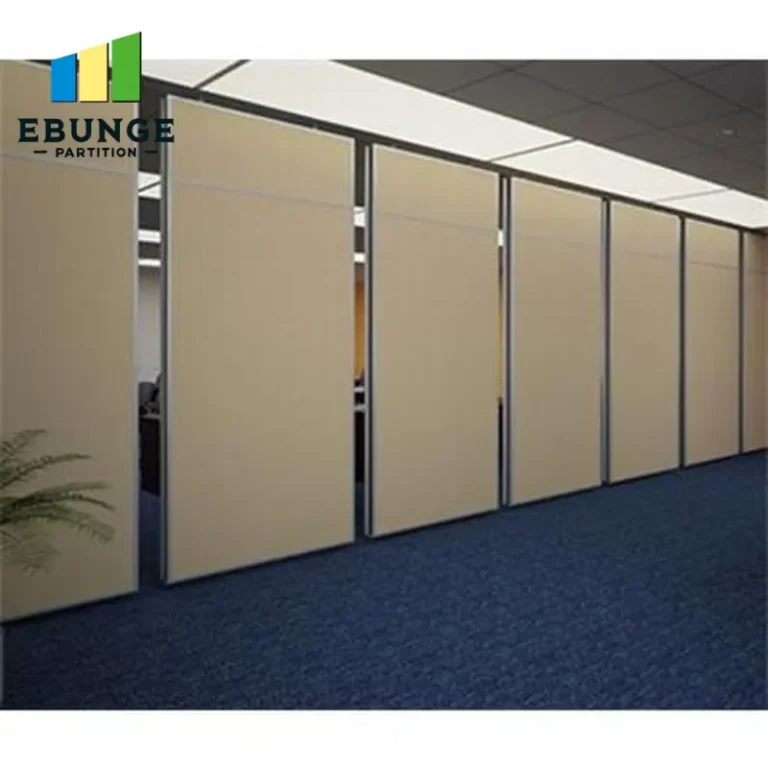
Understanding Total Cost of Ownership
When comparing quotes, look beyond the initial price. The total cost of ownership includes maintenance, ease of operation, and the lifespan of the partition. A cheaper partition might require more frequent repairs or be difficult to operate, leading to higher operational costs. Ask about the warranty and the supplier’s reputation for after-sales support. EBUNGE, for example, provides clear documentation and guidance, but you should confirm specific warranty terms with your supplier.
Preparing for a Quotation: What You Need to Provide
To get an accurate and comparable quote, prepare the following information:
- Opening size and layout: Provide detailed architectural drawings with dimensions, including width, height, and any obstructions.
- Acoustic target: Specify the desired STC rating or describe the noise control requirements.
- Finish preferences: Indicate the type of finish (e.g., laminate, veneer, fabric) and any specific colors or materials.
- Project location: The cost of shipping and installation labor varies by region, so this is essential.
- Operational requirements: How often will the partition be moved? This affects the choice of hardware and automation options.
Providing this information upfront will streamline the quotation process and help suppliers offer accurate pricing.
Share the opening, drawings, finish direction, and privacy target for a project-specific review.
Comparing Quotes: What to Look For
Once you receive quotes, compare them on a like-for-like basis. Ensure each quote includes the same scope: supply, delivery, installation, and any required structural work. Pay attention to the details:
- Are the acoustic ratings guaranteed?
- What is the lead time?
- What does the warranty cover, and for how long?
- Are there any hidden costs, such as for additional seals or hardware?
A transparent quotation will break down these components. If a quote seems too low, ask why. It might be missing essential elements or using inferior materials.
Practical Checklist for Training Center Partition Projects
| Item | Consideration |
|---|---|
| Opening size and shape | Measure accurately; consider stacking space. |
| Acoustic requirement | Define STC target based on training activities. |
| Finish selection | Choose durable, low-maintenance surfaces. |
| Structural support | Verify ceiling load capacity for top-hung track. |
| Operational frequency | Select appropriate hardware and optional automation. |
| Lead time | Align with project schedule. |
| Warranty and support | Confirm terms and after-sales service. |
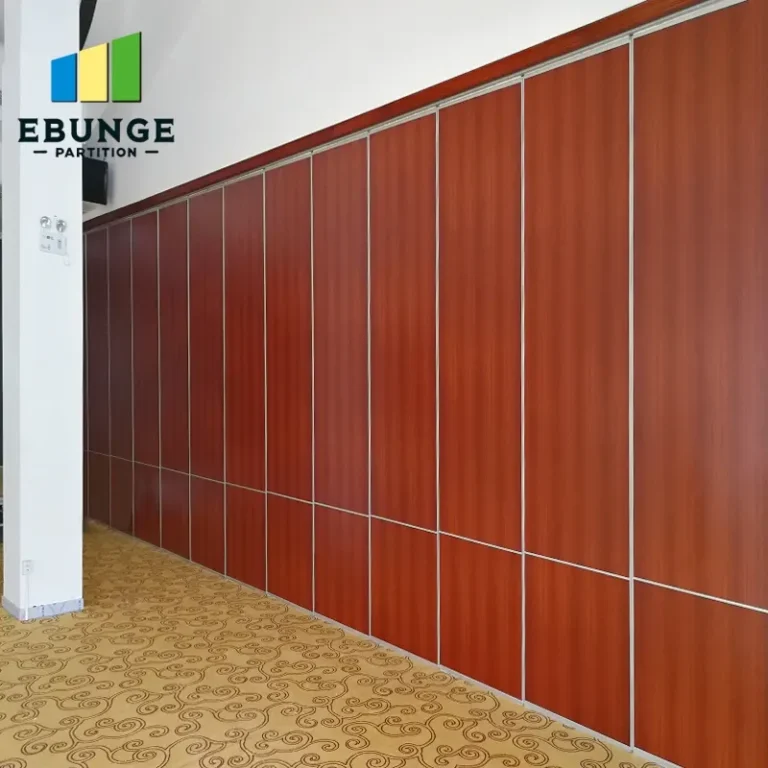
How to Engage a Reliable Sliding Folding Partition Wall Supplier
Choosing the right supplier is as important as the product itself. Look for a supplier with experience in training center projects, as they understand the unique demands of the space. Review their portfolio and ask for references. A reliable supplier will offer guidance on design, provide detailed technical drawings, and assist with installation. They should also be transparent about the movable partition cost and willing to explain the reasoning behind their pricing.
When you contact a supplier, be prepared to share your project details. This not only helps them quote accurately but also signals that you are a serious buyer. For more information on movable partition walls, you can explore our movable partition wall solutions or read our blog articles for additional insights. If you have specific questions, our contact page is the best way to reach us.
Conclusion
In summary, the sliding folding partition wall cost for a training center is influenced by a combination of technical, structural, and aesthetic factors. By understanding these drivers and preparing detailed information, you can obtain accurate quotes and make informed decisions. Remember to focus on total cost of ownership, not just upfront price, and choose a supplier who demonstrates expertise and transparency. For further guidance on budgeting for partition projects, you might find our movable partition cost guide helpful.
Frequently Asked Questions
What is the average cost of a sliding folding partition wall?
The cost varies widely based on size, acoustic rating, finishes, and customization. Without specific project details, it’s impossible to provide a meaningful average. Request a quote with detailed drawings to get accurate pricing.
How does the STC rating affect the cost?
Higher STC ratings require additional materials and engineering, which increases cost. For training centers, a rating of STC 45-50 is often sufficient, but specific needs may vary. Discuss your requirements with the supplier to balance performance and budget.
What is the lead time for a custom movable wall?
Lead time depends on the complexity of the project and the supplier’s production schedule. Typically, it can range from several weeks to a few months. Confirm the lead time with your supplier and factor it into your project timeline.
Can the partition be installed in an existing building?
Yes, but the existing structure must support the overhead track. A site inspection or structural review may be necessary. The supplier can provide guidance or work with your engineer to ensure safety and functionality.
What maintenance is required for these partitions?
Regular maintenance includes cleaning the tracks and seals, lubricating moving parts, and checking for wear. The frequency depends on usage. A well-maintained partition can last for many years. Ask your supplier for a maintenance schedule.
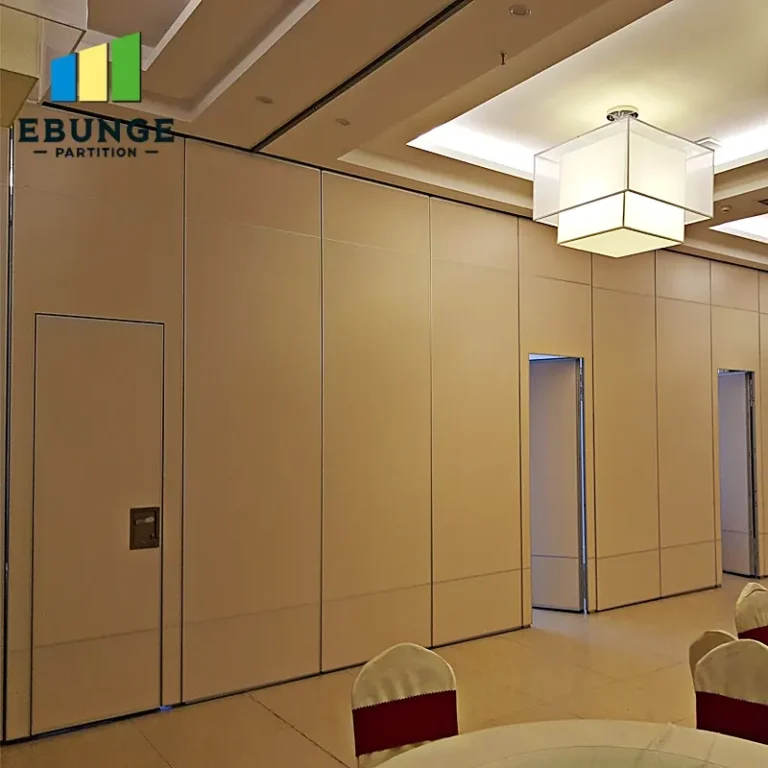
For this buyer review, movable partition cost should be checked against the confirmed opening, drawings, operating plan, and project specification.
Send the opening size and drawings to discuss a differentiated movable partition cost solution.