
Quick answer: movable partition wall
Review focus: movable partition wall.
Facility teams inherit more than a finished opening when a movable partition wall project closes out. They inherit drawings, schedules, and instructions that may have changed several times. A movable partition wall closeout record supersession withdrawal register gives the project a single place to mark which records have been replaced, which remain current, and which must no longer be used. The register is not a substitute for project-specific engineering review. It is a control document that keeps track, stack, and panel information aligned before acceptance.
Why a Supersession and Withdrawal Register Matters at Handover
Project review term: movable partition wall.
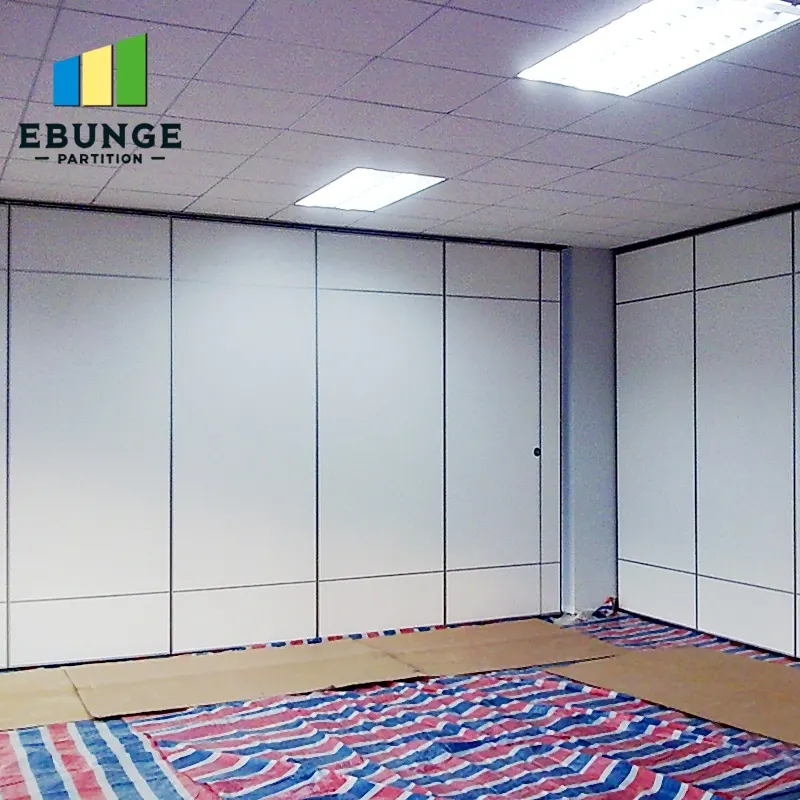
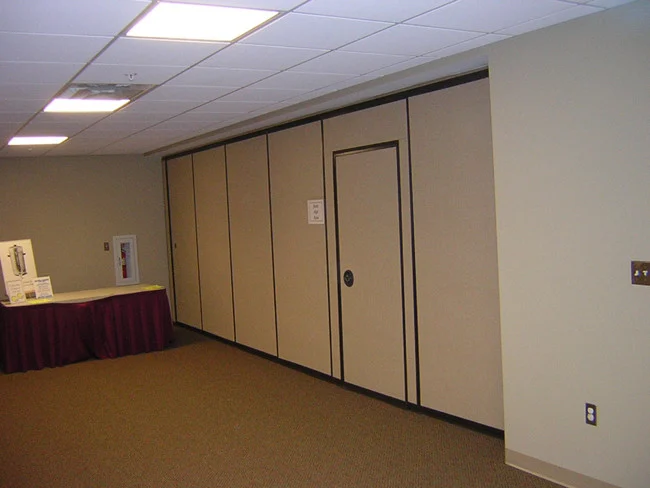
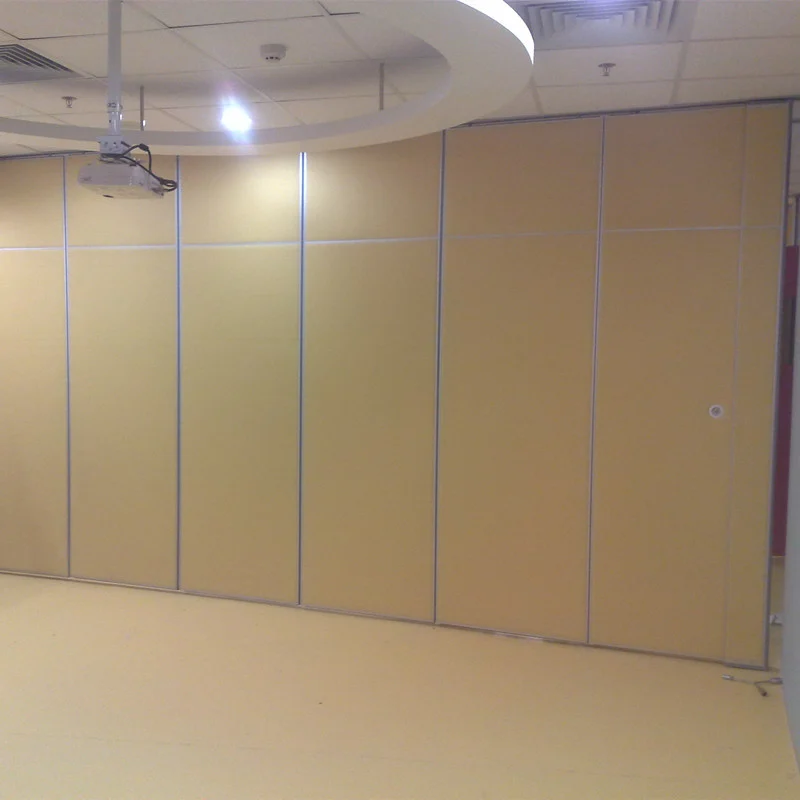
Movable wall systems are top-hung and move without a continuous floor track along the partition line. Panels travel on an overhead route and park at a planned stacking position. Because the layout depends on straight, turning, and stacking routes, a small drawing revision can affect several records at once. If an old track drawing remains in circulation, the facility team may work from a route that no longer matches the approved layout.
A supersession and withdrawal register prevents that confusion. It records the current revision, the date it became current, and the earlier records it replaces. It also records withdrawn documents that should not be used for operation, maintenance, or future renovation planning. The register supports handover documentation coordination without making claims about performance that require separate evidence.
What the register is not
The suitability of each route and parking arrangement depends on the approved layout, circulation, ceiling interfaces and operating sequence. Those items require project-specific confirmation from the responsible design and engineering team. The register only controls document status. It tells readers which record is current and which is obsolete.
Core Record Groups to Track
Coordination scope: movable partition wall.
The three primary groups are track, stack, and panel records. Each group may contain drawings, schedules, and written instructions. The register should identify the record type, its revision, its status, and the record it supersedes.
| Record group | Typical content | Status to log |
|---|---|---|
| Track records | Overhead route drawings, support coordination notes, turning geometry | Current, superseded, or withdrawn |
| Stack records | Parking position layouts, stacking clearance notes, adjacent finish coordination | Current, superseded, or withdrawn |
| Panel records | Panel schedule, finish references, pass-door coordination notes | Current, superseded, or withdrawn |
The table is a planning aid. It does not replace the project drawing set or the responsible designer’s instructions. Confirm the actual record list with the project team before acceptance.
How to Build the Register Before Facility Acceptance
Checklist focus: movable partition wall.
Start the register early, not on the final day of installation. Early setup gives the project team time to log revisions as they happen. A late register often becomes a reconstruction exercise, which increases the risk that an obsolete record stays in circulation.
- List every closeout record by group: track, stack, and panel.
- Assign a unique record identifier and revision code.
- Record the date each revision became current.
- Mark the previous record as superseded and link it to the replacement.
- Mark records that are withdrawn and state that they must not be used.
- Confirm the current record set with the responsible project parties.
- Issue the register with the handover package and archive it with the project file.
Each entry should be traceable. A reader should be able to move from the current record to the superseded record and understand why the change occurred. If the reason is not documented, the register should say so rather than imply a technical conclusion.
Status Labels and Distribution Control
Review focus: movable partition wall.
Clear status labels reduce the chance that an old drawing is used during operation or renovation. Use simple, consistent terms. Avoid labels that suggest performance or approval unless the project team has confirmed them.
- Current: the record approved for use at handover.
- Superseded: replaced by a later revision; retained for traceability only.
- Withdrawn: removed from use; not to be applied to the installed system.
- Under review: not yet confirmed; do not use for operation or maintenance.
Distribution control matters as much as labeling. If the register is issued but old files remain on a shared drive, the control is incomplete. The project team should agree on where current records live and how superseded files are separated. This is a document-management action, not a performance claim.
Coordinating Track, Stack, and Panel Records with the Layout
The layout review covers straight, turning, and stacking routes. Each route may generate its own record set. When a route changes, the register should show which track, stack, or panel records are affected. This helps the facility team understand why a record was replaced.
Pass-door requirements and project documentation can be discussed with the project team. If a pass-door location changes, the panel record and the adjacent track or stack record may both need revision.
Evidence note
Finish options include laminate, melamine, fabric, leather, glass, and other approved surfaces. Visible references can support layout discussion but do not verify hidden construction or performance. Those items require separate project-specific confirmation. The register should point to the responsible source rather than infer an outcome from a finish name or drawing.
Common Register Failures and How to Avoid Them
One common failure is a register that lists only the latest revision without linking it to the record it replaced. Traceability is lost, and the facility team cannot tell what changed. Another failure is a register that mixes current and withdrawn records in one folder. The status label exists, but the physical or digital separation does not.
A third failure is treating the register as a one-time handover task. Revisions can continue during commissioning and after acceptance. The register should have an owner and a simple update routine. The owner does not need to be a technical specialist, but they must know who confirms each record group.
Frequently Asked Questions
What is a closeout record supersession and withdrawal register?
It is a control document that logs which closeout records have been replaced, withdrawn, or remain current. It covers track, stack, and panel records and helps facility teams avoid using obsolete information after handover.
Does the register confirm acoustic performance?
No. The register controls document status only. Confirm acoustic requirements with the responsible project team.
Which records should be included?
Include the records the project team identifies for track, stack, and panel coordination. This may include route drawings, parking position layouts, panel schedules, finish references, and pass-door coordination notes. Confirm the final list with the project team.
How often should the register be updated?
Update it whenever a record is revised, superseded, or withdrawn. The register should be current at handover and maintained during any post-handover revision period agreed by the project team.
Can the register replace project-specific engineering review?
No. The exact overhead route and support arrangement must be confirmed by the responsible project team from coordinated drawings. The register supports document control and does not replace design, engineering, or site verification.
Who should own the register?
The project team should assign an owner before handover. The owner maintains status labels, confirms revisions with the relevant parties, and ensures superseded records are separated from current ones.
Conclusion and Next Step
A movable partition wall closeout record supersession and withdrawal register keeps track, stack, and panel documentation aligned before facility acceptance. It gives the facility team a clear path to the current record and a clear warning about obsolete ones. Start the register early, label status consistently, and confirm project-specific support, acoustic, and dimensional requirements with the responsible parties.
To discuss pass-door requirements, project documentation, or finish options for a movable wall layout, contact the EBUNGE team. You can also review the movable wall product context before preparing your project record list.