
Quick answer: movable partition wall closeout record
Review focus: movable partition wall closeout record.
After a movable partition wall installation is handed over, the facility team inherits a set of records that must remain findable for years. A movable partition wall closeout record retrieval path is the route from a question to the correct document. This article explains how to index, store and retrieve closeout records so operational and maintenance queries can be answered within defined timeframes. Every recommendation below stays within confirmed product facts and visible evidence limits. The exact overhead route and support arrangement must be confirmed by the responsible project team from coordinated drawings.
What the Closeout Record Set Should Contain
Project review term: movable partition wall closeout record.
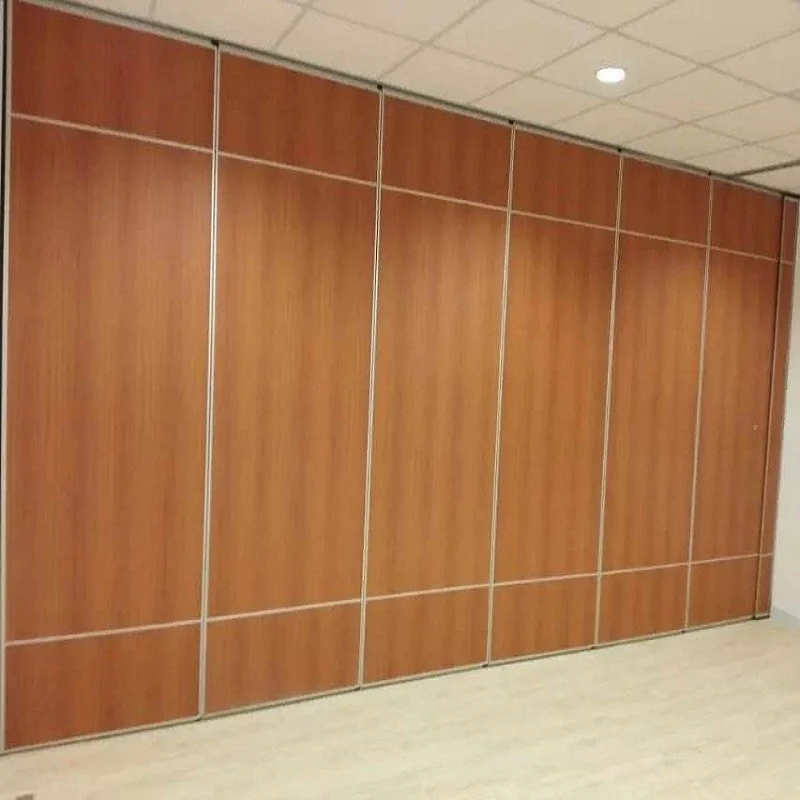
The closeout set is not a single folder. It is a structured collection that describes what was installed, how it was configured and what the facility team needs to operate it. For movable partitions, the core records include the approved layout drawings, the panel and track configuration, the parking arrangement, and the finish schedule. Because panels are individually movable and suspended from a top track, the drawings should show the straight, turning and stacking routes reviewed during planning.
Records should also capture any pass-door requirements and the agreed project documentation. The suitability of each route and parking arrangement depends on the approved layout, circulation, ceiling interfaces and operating sequence. Those topics require their own project-specific evidence. The closeout set should state what is known and flag what still requires confirmation.
Indexing Rules That Make Retrieval Predictable
Coordination scope: movable partition wall closeout record.
An index is only useful if it matches the way facility teams ask questions. Most queries arrive as a room name, a drawing number, a finish type or a date. Build the index around those entry points rather than around the installer’s internal file names.
Use a controlled document identifier
Give every record a unique identifier that combines project code, discipline and sequence. The identifier should appear on the document itself and in the index. This prevents duplicate versions from circulating after handover.
Tag records by query type
Tag each record with the query types it can answer: layout, finish, operation, parking, pass-door or general project documentation. A facility team member searching for a parking question should not have to open the full drawing set.
Storage Architecture and Access Layers
Checklist focus: movable partition wall closeout record.
Store the master closeout set in a controlled location and publish a read-only copy for daily use. The master set should be version-controlled, with a clear note on which revision was issued at handover. The working copy should be searchable and organised by the same index used in the master set.
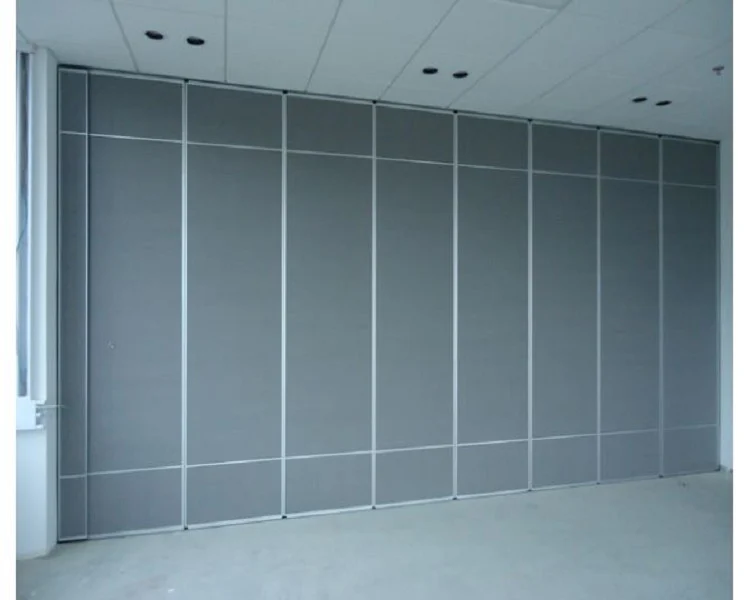
Access layers matter. Facility managers, contractors and designers may need different levels of detail. A simple three-layer model works well: a summary register, a room-level folder and the full document archive. The summary register lists what exists and where it lives. The room-level folder answers common operational questions. The archive holds the complete record for deeper review.
Query Response Timeframe Framework
Review focus: movable partition wall closeout record.
Define response timeframes by query complexity, not by guesswork. The framework below is a planning tool; actual timeframes must be agreed with the project team and confirmed against available records.
| Query type | Typical source | Planning timeframe |
|---|---|---|
| Room layout or parking position | Approved layout drawing | Same working day |
| Finish or surface confirmation | Finish schedule | Same working day |
| Pass-door requirement | Project documentation | One to two working days |
| Track or support review | Structural coordination record | Requires project-specific confirmation |
| Acoustic or performance question | Project-specific evidence | Requires separate confirmation |
This table is a starting point. Adjust the timeframes to the facility team’s staffing and the project’s documentation depth.
Retrieval Path for Common Facility Questions
A retrieval path is a numbered sequence that any team member can follow. It reduces dependence on one person’s memory.
- Identify the room or zone from the facility’s own naming system.
- Open the summary register and locate the room-level folder.
- Match the query type to the tagged record category.
- Open the current revision and confirm the document identifier.
- If the record does not answer the query, escalate to the project-specific confirmation route.
- Log the query and the response for future reference.
This path works for straight, turning and stacking route questions because those routes were reviewed from the layout. It also works for finish questions, since laminate, melamine, fabric, leather, glass and other approved surfaces are recorded in the finish schedule.
Evidence Boundaries and What Not to Infer
Do not derive acoustic, fire, durability, load or maintenance performance from a visible shape, finish, photograph or drawing. Comparative, absolute and causal statements require matching evidence. If evidence is missing, state the exact project-specific confirmation boundary instead.
Any acoustic requirement must be confirmed for the specific project. The exact route, junction arrangement, continuous overhead path and parking position must be confirmed from the coordinated project drawings.
Handover Documentation Coordination Checklist
- Confirm the approved layout drawings show straight, turning and stacking routes.
- Record the parking position and confirm it matches the coordinated design.
- List all confirmed finishes and their locations.
- Note any pass-door requirements and related project documentation.
- Assign document identifiers and tag records by query type.
- Publish the summary register and room-level folders.
- Agree query response timeframes with the facility team.
- Flag all items that require project-specific support, acoustic or dimensional confirmation.
For product context, see the movable walls range. Additional planning material is available in the resources section.
FAQ
What is a movable partition wall closeout record retrieval path?
It is the indexed route from a facility question to the correct closeout document. It includes the index, storage location and the steps a team member follows to retrieve the record.
How should closeout records be indexed for movable partitions?
Index by room, drawing number, finish type and query category. Use a controlled document identifier so versions do not conflict after handover.
Can a facility team answer parking questions from the closeout set?
Yes, if the approved layout drawing shows the parking position and the coordinated design. Parking style is customized to the layout and project requirements.
Do closeout records prove acoustic performance?
No.
What should happen when a query cannot be answered from the records?
Escalate to the project-specific confirmation route. Do not infer performance, support capacity or maintenance needs from a drawing or finish sample.
How are response timeframes set?
Set them by query complexity and agree them with the project team. Confirm that the required records exist before committing to a timeframe.
Conclusion and Next Steps
A reliable closeout record retrieval path protects the facility team’s ability to operate and maintain movable partitions after handover. Build the index around real query types, store records in controlled layers, and define response timeframes that match verified documentation.
To discuss pass-door requirements, project documentation or closeout planning for your next project, contact the EBUNGE team.