
Quick project answer
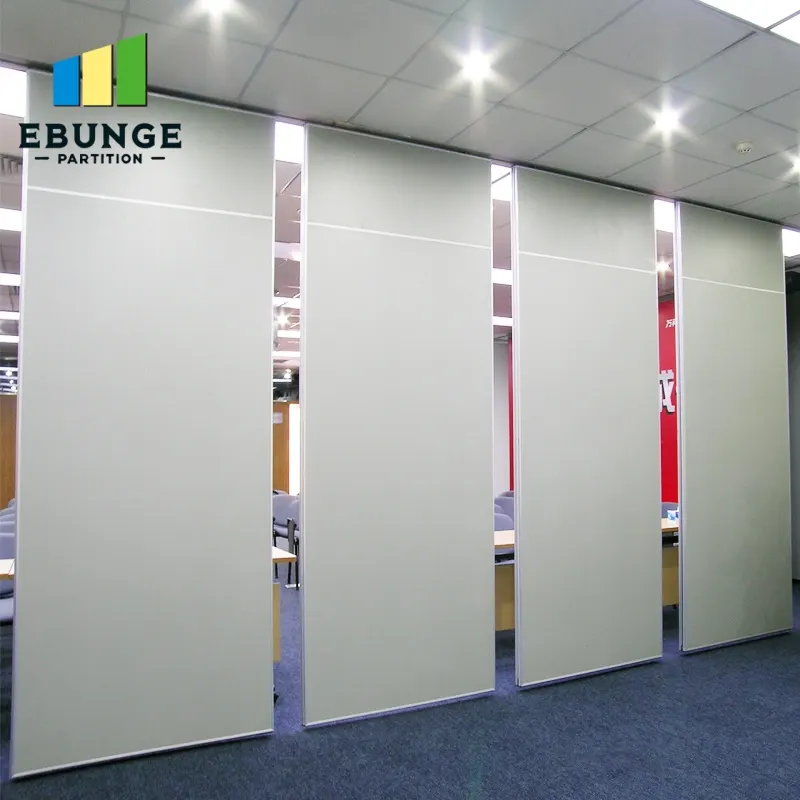
Facility teams often inherit flexible rooms without a formal process for reconfiguration requests. A structured movable partition changeover work order intake framework helps operations, contractors, and designers coordinate without guessing at hidden performance. This article outlines an evidence-bounded intake model for top-hung movable partition systems, where panels are individually movable, suspended from a top track, cross the opening without a floor track, and park at a planned stacking position. Every recommendation here depends on project-specific drawings, support review, and confirmed requirements.
Why Changeover Requests Need a Formal Intake Path
Movable partitions are not static walls. They are operated, parked, and reconfigured. When a room changeover request arrives by phone or hallway conversation, key details are lost: which panels move, where they park, and whether the route is clear. A formal intake path captures the request before work begins.
The intake path also separates routine changeover from maintenance. A panel that will not move smoothly is not the same as a room that needs a different layout. Mixing the two creates confusion for contractors and delays for occupants. The framework below keeps both streams visible and traceable.
Core Information to Capture at Intake
Every changeover work order should begin with a small set of confirmed facts. These facts come from the project layout, not from assumptions about the product.
- Room or venue identifier: the named space and its current use.
- Requested configuration: open, divided, or combined, with the intended occupancy pattern.
- Movement route: the straight, turning, and stacking routes as reviewed from the layout.
- Parking position: the planned stacking location and whether it obstructs other functions.
- Pass-door needs: whether a pass door is required and how it fits the requested layout.
- Panel handling and the operating sequence must be confirmed for the selected layout and project conditions.
- Requestor and approval path: who owns the request and who confirms the final layout.
This list is not a substitute for drawings. It is a checklist that ensures the right questions reach the right reviewer.
Separating Changeover Work Orders from Maintenance Requests
Changeover work orders describe a desired spatial outcome. Maintenance requests describe a condition that needs attention. Both may involve the same partition system, but they require different evidence and different responders.
A changeover request should be routed to the layout reviewer or project coordinator. A maintenance request should be routed to the party responsible for inspection and repair, with a clear description of what was observed. Visible references can support layout discussion but do not verify hidden construction or performance.
Decision Checklist for Routing
| Signal | Likely Route | Evidence Needed |
|---|---|---|
| New room layout requested | Changeover work order | Layout drawing, route review, parking confirmation |
| Panel does not move as expected | Maintenance request | Observation notes, location, date, and photos where permitted |
| Pass door required | Changeover work order | Door position, swing, and layout coordination |
| Finish surface concern | Maintenance request | Finish type and observed condition, without cleaning claims |
| Acoustic concern raised | Project-specific review | Confirmed acoustic requirement and matching evidence |
This table is a routing aid, not a technical specification. The exact overhead route and support arrangement must be confirmed by the responsible project team from coordinated drawings.
Evidence Boundaries for Intake Reviewers
Intake reviewers should know what they can and cannot confirm. They can confirm that a request exists, that a layout is proposed, and that a route has been drawn. The suitability of each route and parking arrangement depends on the approved layout, circulation, ceiling interfaces and operating sequence.
If a project has an acoustic requirement, it must be reviewed against project-specific documentation.
Evidence Note: What a Drawing Does Not Prove
A drawing can show a proposed route and parking position. It does not prove acoustic performance, structural capacity, or that a finish is suitable for a particular cleaning method. Those claims require separate, project-specific confirmation.

This boundary protects both the facility team and the project partners. It prevents a routine changeover request from becoming an implied performance promise.
Coordinating with Contractors, Designers, and Owners
Changeover intake is a coordination activity. Contractors need clear routes and parking positions. Designers need to confirm that the proposed layout matches the original design intent. Owners need to understand what is being changed and what remains subject to review.
A simple coordination sequence helps:
- Receive the request and assign a reference number.
- Attach the current layout drawing and mark the proposed change.
- Review the straight, turning, and stacking routes from the layout.
- Confirm the parking position and any pass-door requirement.
- Route maintenance concerns separately from changeover requests.
- Return the request to the requestor with confirmed next steps or open questions.
This sequence does not replace project-specific engineering review. It simply ensures that the right information reaches the right reviewer.
Maintenance Request Intake: What to Record
Maintenance requests should be descriptive, not diagnostic. Record what was observed, where, and when. Avoid stating a cause unless it has been confirmed by the responsible party.
- Location of the affected panel or track area.
- Description of the observed condition.
- Whether the issue affects movement, parking, or appearance.
- Any recent changeover activity that preceded the observation.
- Contact information for follow-up.
This record helps the maintenance responder prepare, without requiring the intake reviewer to make technical judgments.
Documentation and Project-Specific Confirmation
Every changeover work order should reference the project documentation that governs the installation. That documentation may include layout drawings, finish schedules, and pass-door requirements. If a document is missing, the intake should note it as an open item.
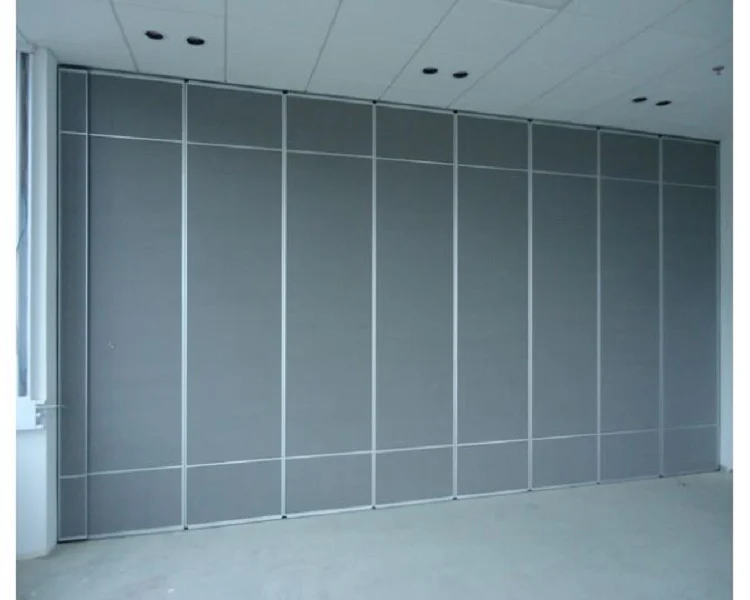
Finish options such as laminate, melamine, fabric, leather, glass, and other approved surfaces may be relevant to a changeover request. Those remain project-specific questions.
For broader planning resources, see the EBUNGE resources page. For product context, see movable walls.
Frequently Asked Questions
What is movable partition changeover work order intake?
It is a structured process for receiving, documenting, and routing requests to reconfigure a movable partition layout. It captures the requested configuration, movement route, parking position, and approval path before work begins.
How is a changeover request different from a maintenance request?
A changeover request describes a desired spatial outcome, such as opening or dividing a room. A maintenance request describes an observed condition that may need attention. They should be routed separately because they require different evidence and responders.
Can intake reviewers confirm acoustic performance?
No. Intake reviewers should record the requirement and route it for proper review.
What information should be attached to a changeover work order?
Attach the current layout drawing, the proposed change, the reviewed movement route, the planned parking position, and any pass-door requirement. Also note the requestor, approval path, and timing window.
Do movable partitions need a floor track?
EBUNGE movable partition panels are top-hung and move without a continuous floor running track or floor hardware along the partition line. Every proposed movement path still requires a continuous connected overhead route and project-specific support review.
How should finish concerns be handled?
Record the finish type and the observed condition. Do not assume cleaning compatibility or performance from a generic finish example. Confirm project-specific requirements with the responsible party.
Conclusion: A Framework, Not a Performance Claim
A changeover work order and maintenance request intake framework gives facility teams a repeatable way to manage flexible rooms. It keeps requests traceable, separates changeover from maintenance, and prevents unsupported performance assumptions. The framework does not replace project-specific support, acoustic, and dimensional review.
To discuss pass-door requirements, project documentation, or intake coordination for your next project, contact EBUNGE.