
Quick project answer
Review focus: changeover window duration estimation.
Movable partition changeover window duration estimation is a facility operations planning task, not a product specification shortcut. It helps teams decide how much time to reserve between one room layout and the next. The estimate depends on the approved layout, the movement route, the parking position and the project documentation. The suitability of each route and parking arrangement depends on the approved layout, circulation, ceiling interfaces and operating sequence. The exact overhead route and support arrangement must be confirmed by the responsible project team from coordinated drawings.
Why Changeover Windows Need Their Own Planning Logic
Project review term: changeover window duration estimation.
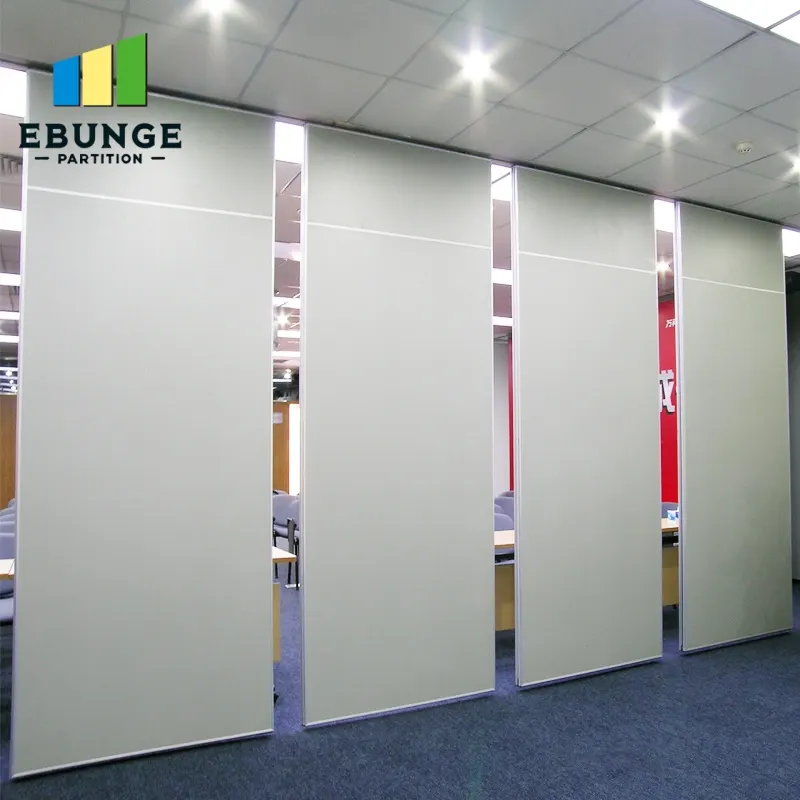
A movable partition is not a fixed wall. EBUNGE movable wall panels are individually movable, suspended from a top track, cross the opening without a floor track, and park at a planned stacking position. That operating model changes how a room is released and reset. The changeover window is the period when the space is not available for its primary use. It includes the movement sequence, the parking arrangement and the handover checks that the project team agrees.
Facility teams often treat changeover as a minor housekeeping step. In practice, it is a coordination event. The route must be continuous and supported overhead. The parking position must be planned. The finish and pass-door requirements must be confirmed. Each of these items can affect the sequence, even when the panels themselves remain unchanged.
What the Maintained Product Facts Allow Us to Say
Coordination scope: changeover window duration estimation.
Confirmed EBUNGE facts are deliberately narrow. Panels are top-hung and individually movable. They travel on a top track and do not require a continuous floor running track along the partition line. They park at a planned stacking position. Straight, turning and stacking routes are reviewed from the layout. Finish options include laminate, melamine, fabric, leather, glass and other approved surfaces. Pass-door requirements and project documentation can be discussed.
These facts support route and parking discussions.
A Step-by-Step Changeover Window Estimation Process
Checklist focus: changeover window duration estimation.
Use the following numbered process as a coordination checklist. It is designed to expose missing information early, before a schedule is fixed.
- Confirm the room-use sequence. List the layouts that the space must support and the order in which they occur.
- Review the approved layout drawings. The exact route, junction arrangement, continuous overhead path and parking position must be confirmed from the coordinated project drawings.
- Check the overhead route. Confirm that every proposed movement path has a continuous connected overhead route and that project-specific support is reviewed.
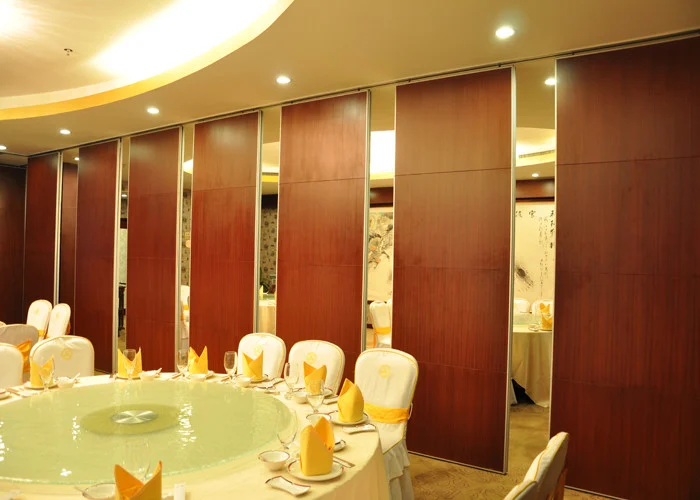
- Confirm the parking arrangement. Parking style is customized to the customer layout and project requirements and may support compact stacking when the coordinated design permits it.
- Agree the finish and pass-door scope. Confirm approved surfaces and whether a pass door is required.
- Define the handover checks. Record what must be verified before the room is released for its next use.
- Add a room turnaround buffer. Panel handling and the operating sequence must be confirmed for the selected layout and project conditions.
Building the Room Turnaround Buffer
Review focus: changeover window duration estimation.
The buffer is the difference between the theoretical movement sequence and the realistic room release time. It protects the next booking, event or class from small coordination delays. The buffer should be set by the project team after reviewing the layout, the route and the operational context.
Factors that commonly affect the buffer
- Distance and complexity of the approved movement route.
- Number of panels and the planned stacking arrangement.
- Pass-door location and access needs.
- Finish protection expectations during movement.
- Documentation and handover checks agreed by the project team.
These factors are planning inputs, not performance claims. They do not replace project-specific support, acoustic and dimensional confirmation.
Evidence Boundaries for Changeover Planning
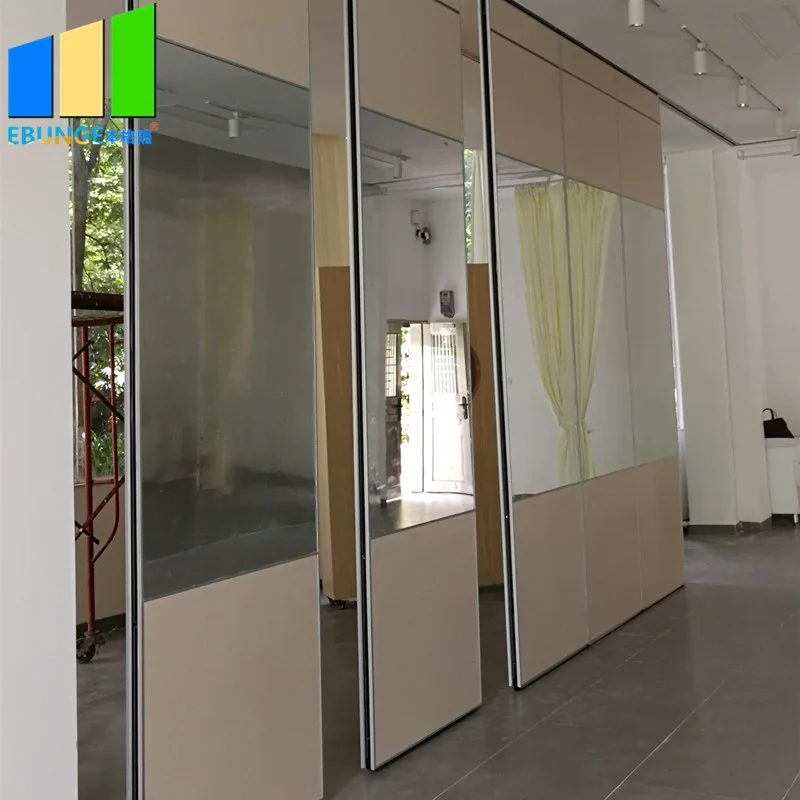
An evidence note is useful here because changeover planning attracts unsupported assumptions. Visible references can support layout discussion but do not verify hidden construction or performance. Comparative, absolute and causal statements require matching evidence. If evidence is missing, state the confirmation boundary instead of filling the gap.
Confirm project-specific requirements with the project team and the manufacturer.
Coordination Across Project Teams
Changeover planning sits between design intent and daily operations. Architects and interior designers define the spatial concept. Contractors and renovation teams review the route and support conditions. Owners and facility managers define the room-use sequence. Distributors and construction teams coordinate documentation and delivery. Each party needs the same layout information to avoid conflicting assumptions.
For a broader planning context, the movable wall product overview and the project resources can support early discussions. They are starting points, not substitutes for drawing review.
Common Planning Mistakes to Avoid
One common mistake is treating the changeover window as a fixed number. Another is assuming that a route shown on a concept plan is automatically supported. A third is confusing a finish sample with evidence of acoustic or durability performance. A fourth is omitting the parking position from the room schedule.
A fifth mistake is ignoring the pass door until late in the project. Pass-door requirements and project documentation can be discussed early, which helps the team align the layout, the route and the room turnaround buffer before schedules are locked.
FAQ: Changeover Window Duration Estimation
What information is required for movable partition changeover window duration estimation?
Teams need the approved layout, the room-use sequence, the straight and turning routes, the planned stacking position, finish and pass-door requirements, and the handover checks. Project-specific support, acoustic and dimensional requirements should also be confirmed.
Can a changeover window be estimated from a product photograph?
No. A photograph does not show the route, support conditions, parking arrangement or project documentation. Estimation should be based on reviewed drawings and confirmed project requirements.
Do movable partitions require a continuous floor track?
EBUNGE movable wall panels are top-hung and cross the opening without a floor track.
How should STC or Rw be used in changeover planning?
Any acoustic requirement should be confirmed for the specific assembly and project.
What is a room turnaround buffer?
It is the time reserved between the movement sequence and the room being released for its next use. It covers agreed handover checks and coordination needs, and it should be set by the project team.
Can parking style be customized?
Parking style is customized to the customer layout and project requirements and may support compact stacking when the coordinated design permits it. The final arrangement should be confirmed from the layout.
Conclusion and Next Steps
Confirm the layout, review the overhead route, agree the parking position, define the handover checks and set a room turnaround buffer. Keep every statement within maintained product facts and project-specific evidence. Where information is missing, record the confirmation boundary rather than assuming a result.
To discuss pass-door requirements, project documentation or layout review for your facility, contact the EBUNGE team. Bring your drawings and room-use sequence so the conversation can stay specific, evidence-based and useful for your project.