
Quick project answer
Review focus: changeover window compression.
Panel handling and the operating sequence must be confirmed for the selected layout and project conditions. In multi-room venues, this pressure rarely comes from the panels alone. It comes from booking slots that were written before anyone reviewed the straight, turning and stacking routes on the layout. This framework helps facility teams set realistic room release rules by separating what the product can do from what the schedule assumes.
Why Changeover Windows Compress in Multi-Room Venues
Project review term: changeover window compression.
A movable partition system is individually movable, suspended from a top track, crosses the opening without a floor track, and parks at a planned stacking position. When a venue books two events back-to-back, the changeover window is the gap between the previous room release and the next room setup. Compression occurs when that gap is treated as flexible while the movement route is fixed.
Booking systems often allocate rooms in clean blocks. The exact route, junction arrangement, continuous overhead path and parking position must be confirmed from the coordinated project drawings. The schedule looks efficient on screen but creates a physical conflict on the floor.
The Difference Between Panel Movement and Room Readiness
Panel movement is one task. Room readiness includes clearing the opening, confirming the parking position is free, and checking that the next layout’s support and dimensional requirements match the approved drawings. Changeover window compression usually appears when these tasks are collapsed into a single line item.
Booking Slot Reallocation: A Decision Checklist
Before changing a booking slot, confirm the following items with the project team. This checklist is a planning tool, not a performance guarantee.
- Does the proposed movement path follow a continuous connected overhead route reviewed on the layout?
- Is the planned stacking position available for the entire changeover window?
- Do the straight, turning and stacking routes avoid conflicts with other venue operations?
- Are pass-door requirements and project documentation confirmed for the affected rooms?
- Has the project-specific support, acoustic and dimensional requirement been reviewed for the new configuration?
- Does the finish selection remain appropriate for the next booking’s use case?
A Numbered Process for Setting Room Release Rules
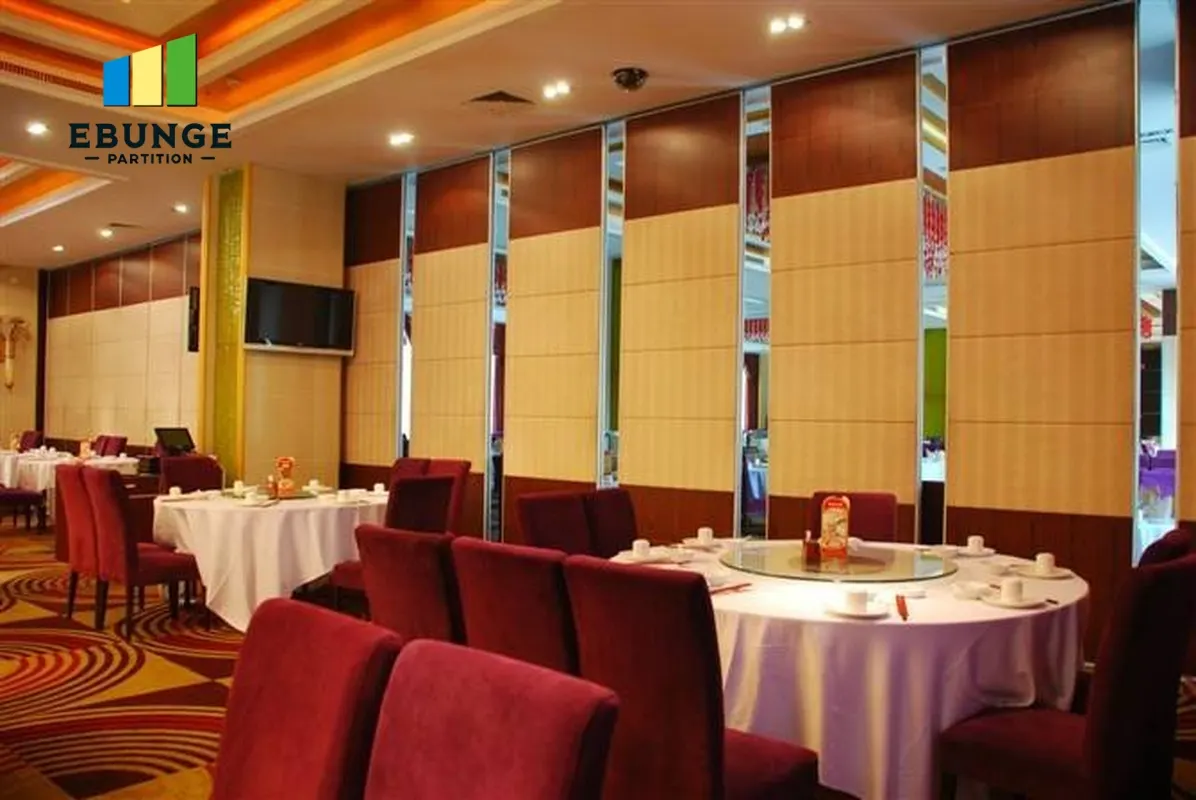
- Map the layout routes. Review straight, turning and stacking routes from the approved drawings before writing release rules.
- Identify shared parking positions. Mark any stacking position used by more than one room combination.
- Define release milestones. Separate panel movement from room readiness so each has its own checkpoint.
- Test the booking sequence. Walk the schedule against the routes and flag overlapping changeovers.
- Set a reallocation rule. Decide which booking moves when two changeovers conflict.
- Document the confirmed configuration. Record pass-door requirements and project documentation for each room state.
How Changeover Window Compression Interacts with Reallocation
Reallocation is not a substitute for a realistic window. If the window is too short, moving a booking only shifts the compression to another room. The two decisions must be made together.
Consider a venue with three rooms divided by two movable partition lines. A morning booking uses the full open area. An afternoon booking needs two separate rooms. The changeover requires moving panels to a planned stacking position, then confirming the new room boundaries. If the afternoon booking starts before the stacking position is clear, the window compresses regardless of how the slots are reallocated.
Evidence Note: What the Drawings Can and Cannot Show
Drawings can show proposed routes, stacking positions and room boundaries. They cannot confirm acoustic performance, structural capacity, cleaning compatibility or application reference outcomes without matching project-specific evidence. Treat every schedule assumption as a question for the project team.
Comparing Two Scheduling Approaches
| Approach | What It Assumes | Planning Risk |
|---|---|---|
| Fixed changeover window | Every room combination takes the same release time | Compression when routes or stacking positions differ |
| Route-based window | Release time follows the reviewed movement path | Requires accurate layout and booking data |
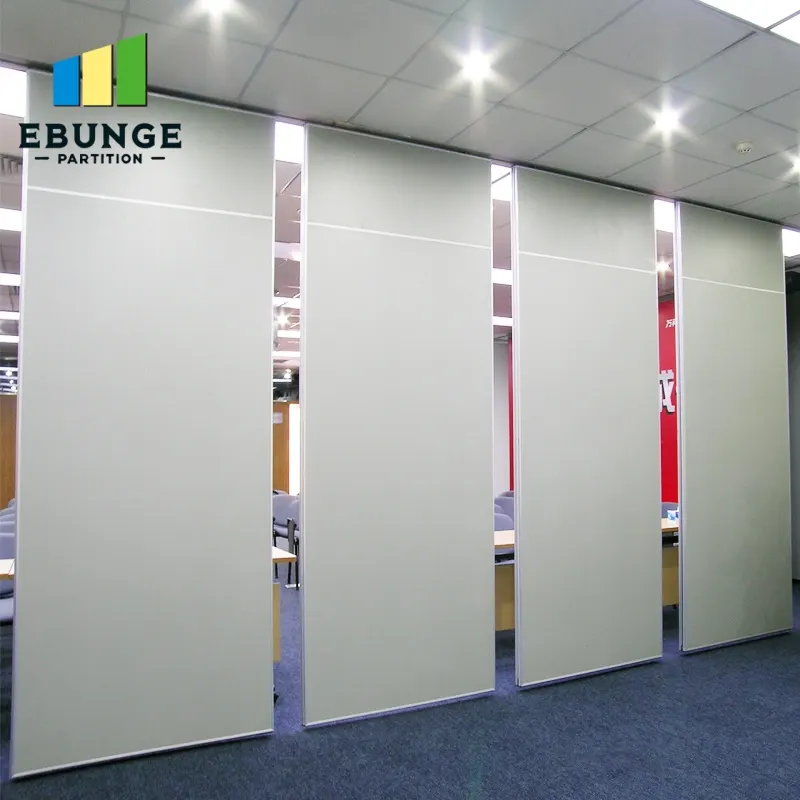
A route-based window is more realistic because it reflects the actual straight, turning and stacking routes. It also makes reallocation decisions clearer when two bookings compete for the same parking position.
Coordinating Operations and Facility Planning
Operations teams own the booking calendar. Facility teams own the room release rules. When these two groups work from different assumptions, changeover window compression becomes a recurring complaint rather than a planning issue.
Use a shared room-state document that lists each configuration, its movement route and its parking position. Review it before publishing a new booking season. This is an Operations & Facility Planning coordination task, not a product specification task.
What to Confirm Before Finalizing a Specification
For any movable partition changeover window compression specification, confirm project-specific support, acoustic and dimensional requirements with the project team. The suitability of each route and parking arrangement depends on the approved layout, circulation, ceiling interfaces and operating sequence. Review the movable walls product page for maintained product context and the resources page for planning guidance.
Frequently Asked Questions
What is movable partition changeover window compression?
It is the operational squeeze that occurs when the time allowed to release, reconfigure and hand over a room is shorter than the reviewed movement and readiness tasks require. It is a scheduling condition, not a product rating.
Can booking slot reallocation solve a short changeover window?
Reallocation can resolve conflicts between overlapping bookings, but it does not create more physical time. If the window is too short for the reviewed routes, moving the booking shifts the problem rather than solving it.
Do movable partition panels need a floor track?
EBUNGE movable partition panels are top-hung and cross the opening without a continuous floor running track or floor hardware along the partition line. Every proposed movement path still requires a continuous connected overhead route and project-specific support review.
How should we plan stacking positions for multi-room venues?
Parking style is customized to the customer layout and project requirements and may support compact stacking when the coordinated design permits it. Identify shared stacking positions early and treat them as a scheduling constraint.
What documentation should accompany a changeover policy?
Pass-door requirements and project documentation can be discussed with the project team. Keep approved drawings, room-state definitions and confirmed dimensional requirements together so operations and facility teams work from the same reference.
Can we promise a specific changeover time to clients?
No. Changeover time depends on the reviewed layout, booking sequence and project-specific conditions. Set release rules from the approved drawings and confirm them with the project team rather than promising a fixed duration.
Conclusion: Set Release Rules from the Layout, Not the Calendar
Changeover window compression is manageable when booking slot reallocation and room release rules are built from the same reviewed layout. Start with the straight, turning and stacking routes. Identify shared parking positions. Separate panel movement from room readiness. Then publish release rules that operations and facility teams both understand.
Every venue is different. Confirm project-specific support, acoustic and dimensional requirements before finalizing any schedule or specification. For project-specific guidance, contact the EBUNGE team to discuss your layout, pass-door requirements and project documentation.