
Quick answer: movable partition changeover window capacity ledger
Review focus: movable partition changeover window capacity ledger.
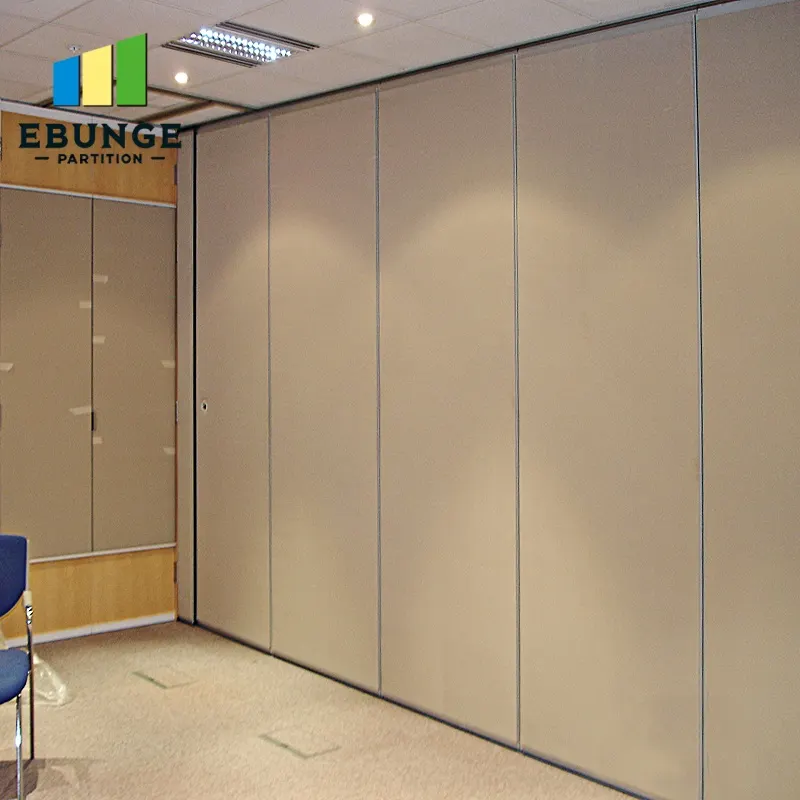
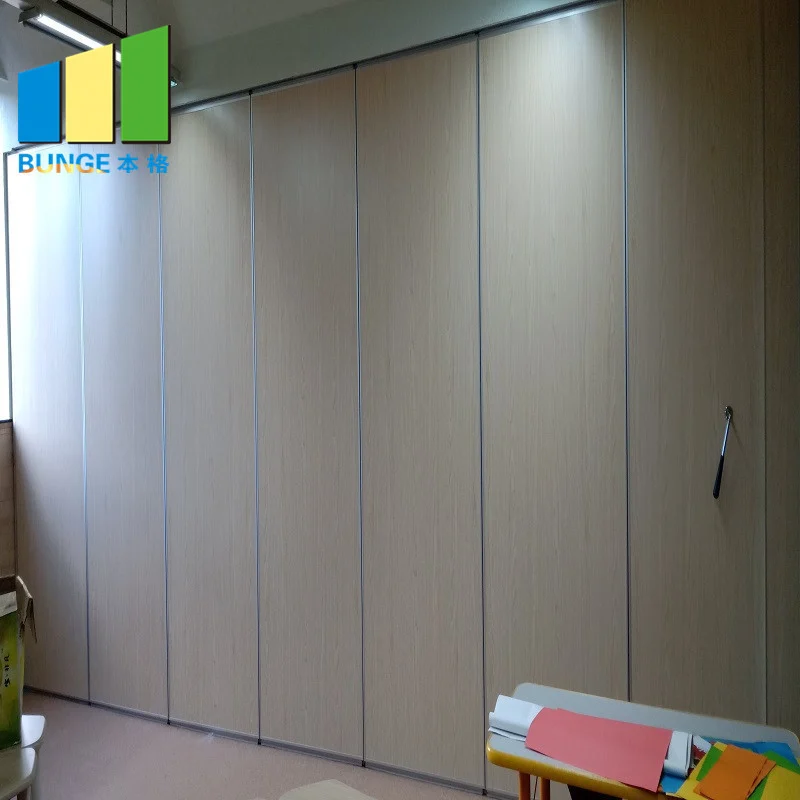
A movable partition changeover window capacity ledger is a planning tool, not a performance guarantee. It records how many room reconfigurations a shift can realistically absorb by tracking when each room is released, who is available to move panels, and how complex each configuration is. For overseas contractors, architects, interior designers, owners, renovation companies, distributors and construction teams, the ledger turns vague assumptions into a reviewable schedule. It does not replace project-specific support, acoustic or dimensional confirmation. EBUNGE movable partition panels are individually movable, suspended from a top track, cross the opening without a floor track, and park at a planned stacking position. Straight, turning and stacking routes are reviewed from the layout.
Why a Changeover Window Capacity Ledger Matters
Project review term: movable partition changeover window capacity ledger.
Flexible rooms fail operationally when the schedule assumes more changeovers than the building can absorb. A ledger makes the constraint visible before the event calendar is published. It separates fixed facts from estimates, so planners can see where a room release time, a route conflict or a staffing gap reduces capacity.
The ledger also protects the specification. When a client asks for a certain number of daily setups, the answer should come from the coordinated layout and the operating plan, not from a generic rule of thumb. Confirm project-specific support, acoustic and dimensional requirements with the project team before locking the ledger into a contract or event schedule.
Core Inputs for Each Ledger Row
Coordination scope: movable partition changeover window capacity ledger.
Each row represents one room or one configuration change. Keep the inputs factual and traceable. If an input is unknown, mark it as pending rather than filling it with an assumed value.
- Room release time: when the previous event ends and the room becomes available for changeover.
- Room ready time: when the next event requires the room to be set.
- Configuration type: open, divided, partially divided or combined, as defined by the project layout.
- Route review status: whether the straight, turning and stacking routes have been checked against the coordinated drawings.
- Parking position: the planned stacking location and whether it conflicts with another activity.
- Finish and pass-door notes: any approved surface or pass-door requirement that affects handling or sequencing.
- Crew availability: the confirmed personnel window, without assuming a fixed number of operators.
Building the Ledger: A Numbered Process
- List every room and every recurring configuration in the facility.
- Record the release and ready times for each changeover window.
- Classify each change as simple, moderate or complex using only project-confirmed criteria.
- Check each route against the layout, including straight, turning and stacking paths.
- The exact route, junction arrangement, continuous overhead path and parking position must be confirmed from the coordinated project drawings.
- Enter the confirmed crew availability for the shift.
- Flag conflicts where two changeovers need the same route or parking position.
- Review the ledger with the project team and update it as drawings develop.
The ledger should be reviewed at the same cadence as the room-booking schedule. A change in event timing can shift capacity without changing the partition itself.
Complexity Classification Without Assumed Performance
Complexity is a planning label, not a performance rating. It describes how much coordination a changeover needs, not how well the partition will perform. Use project-specific criteria agreed with the design team.
| Complexity label | Typical planning signal | Ledger action |
|---|---|---|
| Simple | Single straight route, clear parking, no pass-door change | Standard window |
| Moderate | Turning route or shared parking position | Add coordination check |
| Complex | Multiple rooms, route conflict or pass-door requirement | Require project review |

Do not convert these labels into time estimates without a project-specific basis. The table is a screening tool, not a stopwatch.
Evidence Boundaries for the Ledger
Every ledger entry should be traceable to a confirmed drawing, a confirmed operating requirement or a confirmed project instruction. If the source is missing, the entry stays pending.
The suitability of each route and parking arrangement depends on the approved layout, circulation, ceiling interfaces and operating sequence. The ledger should reference the project acoustic requirement as a confirmation item, not as a number invented for planning convenience.
The exact overhead route and support arrangement must be confirmed by the responsible project team from coordinated drawings. Those items require matching project evidence. Confirm project-specific support, acoustic and dimensional requirements before treating any ledger row as final.
Coordinating the Ledger with Project Teams
Contractors can confirm route feasibility, architects can confirm layout intent, and owners can confirm event priorities. The ledger then becomes a common reference rather than a source of dispute.
For specification support, review the movable wall systems page and the project resources before finalizing the ledger structure. If a route, parking position or pass-door requirement is unclear, raise it through contact so the project team can review the coordinated drawings.
FAQ: Changeover Window Capacity Ledger
What is a movable partition changeover window capacity ledger?
It is a planning record that estimates how many room reconfigurations a shift can absorb, based on room release timing, crew availability and configuration complexity. It is not a performance guarantee.
Can the ledger predict exact changeover times?
No. It organizes confirmed inputs and flags conflicts. Exact timing depends on the coordinated layout, route review and project-specific operating conditions.
How do routes affect ledger capacity?
Straight, turning and stacking routes are reviewed from the layout.
Does the ledger depend on acoustic ratings?
No. Acoustic requirements are separate confirmation items.
What finish information belongs in the ledger?
Record only confirmed finish options such as laminate, melamine, fabric, leather, glass or other approved surfaces.
When should the ledger be updated?
Update it whenever room release times, event schedules, route reviews or crew availability change. Review it alongside the room-booking schedule.
Conclusion and Next Step
A movable partition changeover window capacity ledger helps facility teams plan realistic reconfiguration capacity without relying on assumed performance figures. Build it from confirmed release times, route reviews, parking positions and crew availability, and keep every unsupported item marked as pending. Confirm project-specific support, acoustic and dimensional requirements before finalizing the schedule. To discuss pass-door requirements, project documentation or a layout review, contact the EBUNGE team.