
Quick answer: movable partition changeover window calendar
Review focus: movable partition changeover window calendar.
Multi-room venues live or die by changeover discipline. When a movable partition changeover window calendar room release lead time buffer is treated as an afterthought, booking teams promise rooms before operations can reset them. This guide helps facility teams build a calendar that reserves realistic release buffers before commitments are made. It stays within confirmed product facts and marks every project-specific item for drawing review.
Why a Changeover Window Calendar Matters for Multi-Room Venues
Project review term: movable partition changeover window calendar.
A changeover window is the protected period between one room configuration and the next. It is not simply the time a panel is moved. It includes confirming the room is clear, checking the planned route, moving panels to the stacking position, and releasing the space for the next use.
Without a calendar, sales and operations work from different assumptions. A room may be booked while panels are still parked in a route that blocks access. The calendar makes those dependencies visible before the booking is confirmed.
Confirmed Product Facts That Shape the Calendar
Coordination scope: movable partition changeover window calendar.
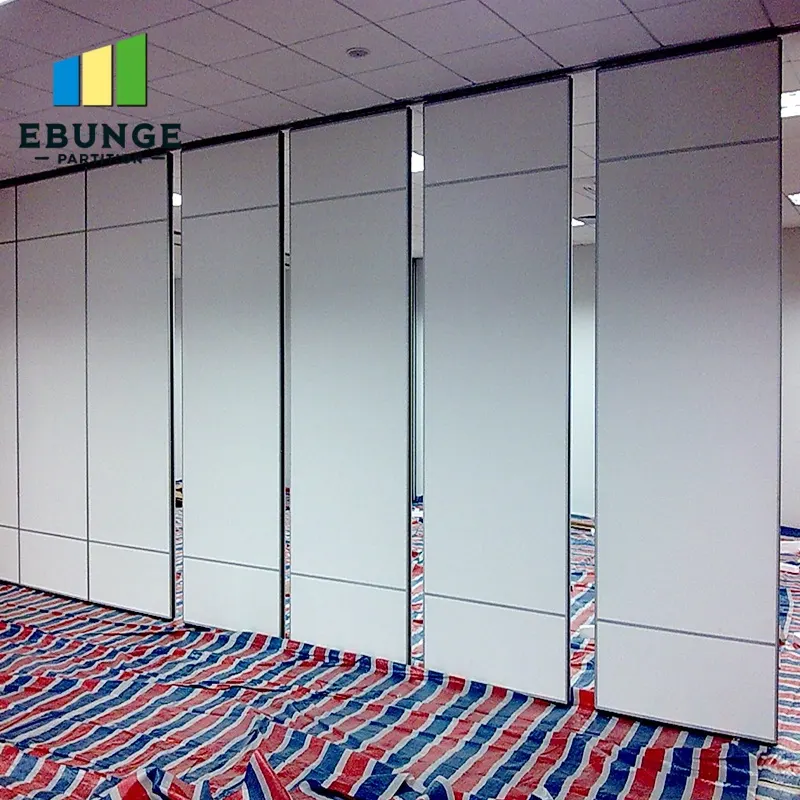
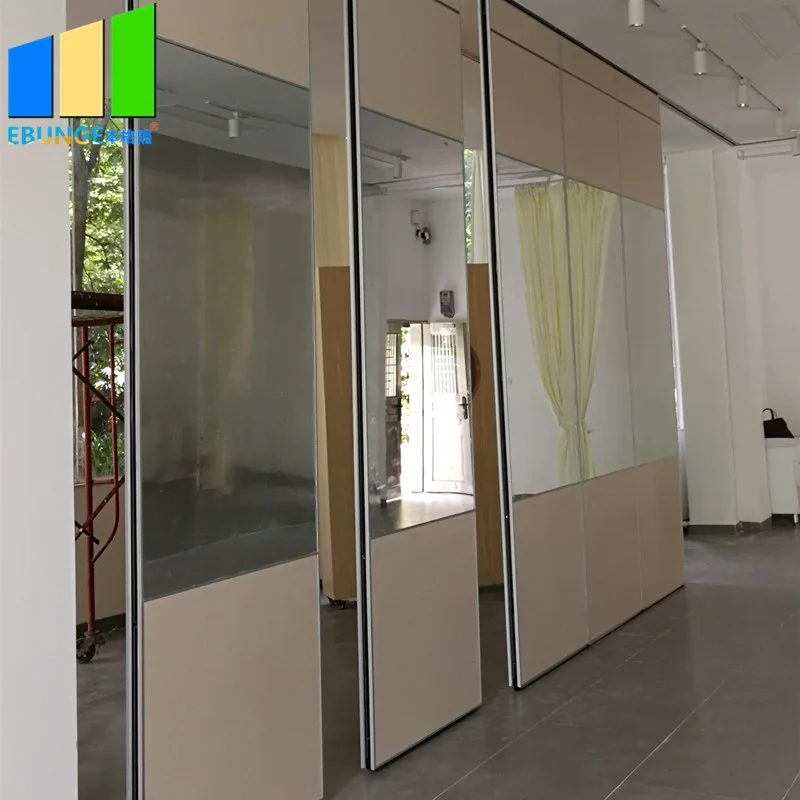
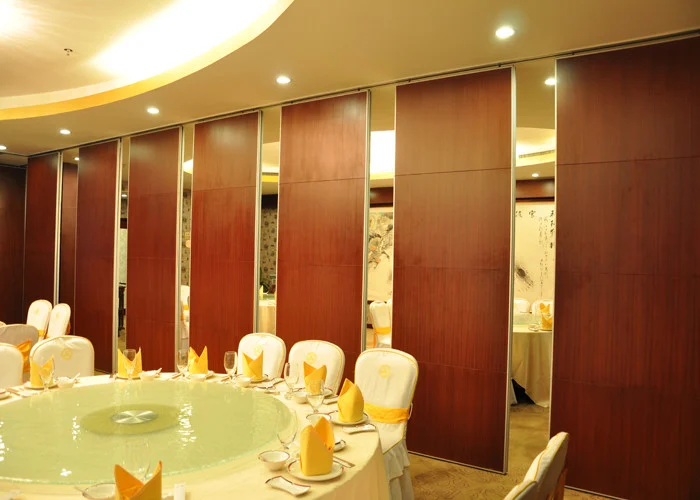
EBUNGE movable wall panels are individually movable and suspended from a top track. They cross the opening without a floor track, so the partition line stays clear of floor hardware. Panels park at a planned stacking position.
Straight, turning and stacking routes are reviewed from the layout. This matters for operations because the route is not only a design detail; it is a daily movement path. If the layout does not show a continuous connected overhead route, the movement path cannot be assumed.
Finish options include laminate, melamine, fabric, leather, glass and other approved surfaces. The suitability of each route and parking arrangement depends on the approved layout, circulation, ceiling interfaces and operating sequence. Those items require project-specific confirmation.
Building the Room Release Lead-Time Buffer Framework
Checklist focus: movable partition changeover window calendar.
A release buffer is the time reserved between the end of a changeover and the start of the next booking. It protects against late finishes, unexpected room use and route conflicts. The buffer should be set by the facility team with the booking team, not guessed at the point of sale.
Step 1: Map Every Room Pair
List each room and the configurations it must support. Note which openings are used, where panels park, and which adjacent spaces share a route. This map becomes the backbone of the calendar.
Step 2: Define the Changeover Sequence
Write the sequence as a numbered process: confirm room clear, verify route, move panels, secure stacking position, inspect, release. Each step gets an owner and a completion check.
Step 3: Set the Release Buffer
Set the buffer from observed changeover duration plus a contingency agreed by operations. Do not publish a buffer that has not been tested against the actual layout and staffing plan.
Decision Checklist for Calendar Owners
- Does the calendar show every room that shares a partition route?
- Is the stacking position marked and kept clear?
- Are pass-door requirements identified for each configuration?
- Is the release buffer visible to booking staff before they confirm?
- Are project-specific support, acoustic and dimensional requirements flagged for review?
- Is there a named person who can approve an early release?
Evidence Boundaries: What the Calendar Cannot Promise
A calendar is an operational planning tool.
Do not infer performance from a finish, photograph or drawing. If a booking depends on a specific acoustic or dimensional outcome, that requirement must be confirmed for the project before the calendar is published.
Evidence note: every route, support condition and acoustic requirement shown in a calendar should trace back to a reviewed layout and project-specific confirmation, not to a generic example.
Coordinating with Contractors, Designers and Owners
Contractors need the calendar to match the installed layout. Architects and interior designers need to confirm that the planned stacking position does not conflict with finishes or services. Owners need to see which rooms carry tighter buffers.
Use one shared calendar version. When a layout changes, the calendar owner updates the affected room pairs and reissues the buffer. This prevents booking teams from working from an outdated plan.
Common Planning Mistakes to Avoid
One common mistake is treating the changeover as a single task. In practice it is a sequence with dependencies.
A third mistake is ignoring the parking position. If the stacking area is used for storage or furniture, the changeover cannot start on time. The calendar should reserve the parking position as part of the room release.
FAQ: Changeover Windows and Release Buffers
What is a movable partition changeover window calendar?
It is a shared schedule that shows when each room changes configuration, which panels move, where they park, and how long the room stays unavailable before release.
How is a room release lead-time buffer different from a changeover window?
The changeover window covers the movement work. The release buffer is the protected time after that work before the next booking, allowing inspection and recovery.
Can the calendar guarantee acoustic separation?
No. Acoustic requirements must be confirmed for the specific project and layout.
Do movable partitions need a floor track for the calendar route?
EBUNGE panels are top-hung and cross the opening without a floor track. The route still requires a continuous connected overhead path, reviewed from the layout.
Who should own the calendar?
Facility operations should own it, with booking, sales and project teams contributing updates. A single owner prevents conflicting versions.
When should the buffer be reviewed?
Review it after layout changes, after repeated late releases, or when booking patterns change. Confirm project-specific requirements with the supplier before publishing changes.
Conclusion and Next Steps
A changeover window calendar works when it is built from the reviewed layout, kept current, and paired with a release buffer that booking teams respect. Start by mapping room pairs, define the sequence, and set a buffer you can defend with operational evidence.
For product context, review the movable walls range and the planning resources. To discuss pass-door requirements, project documentation or layout review, contact the EBUNGE team.